Last updated November 21, 2026
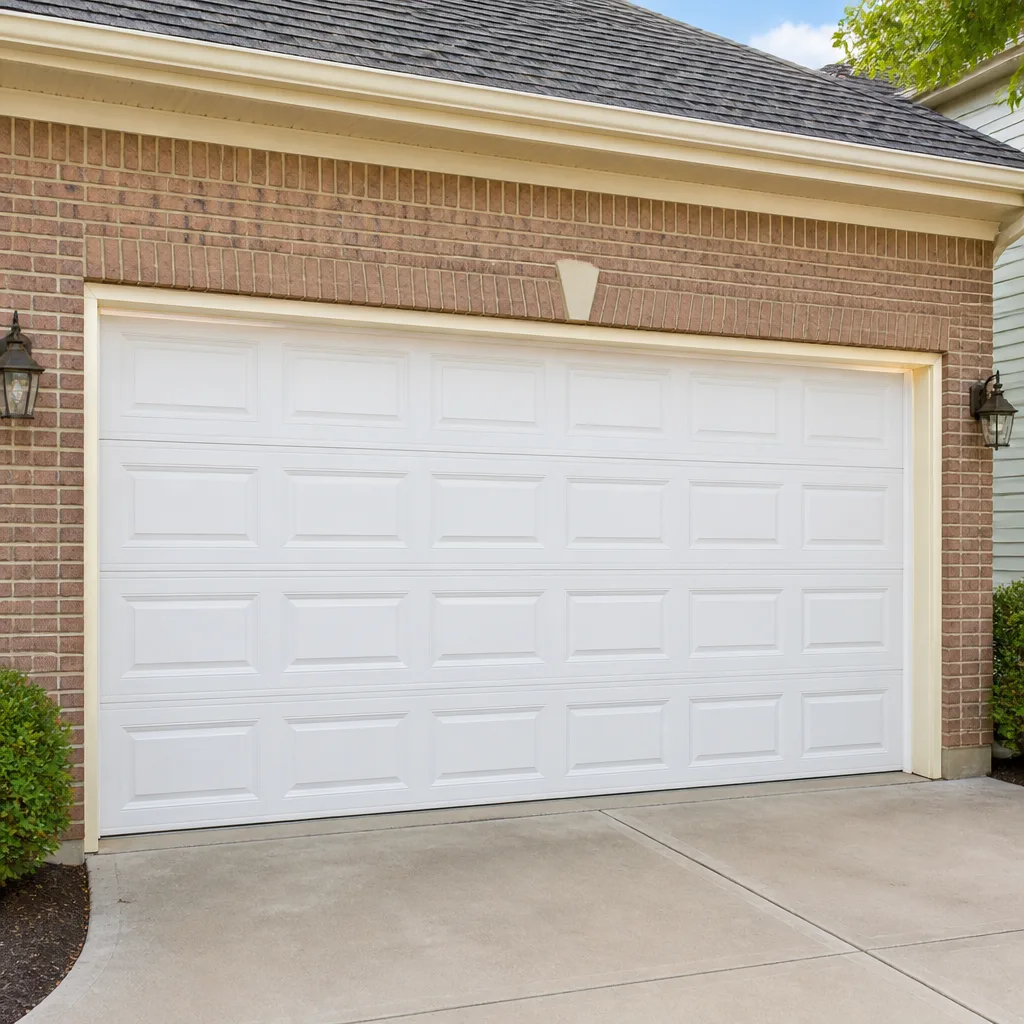 Raised-panel steel
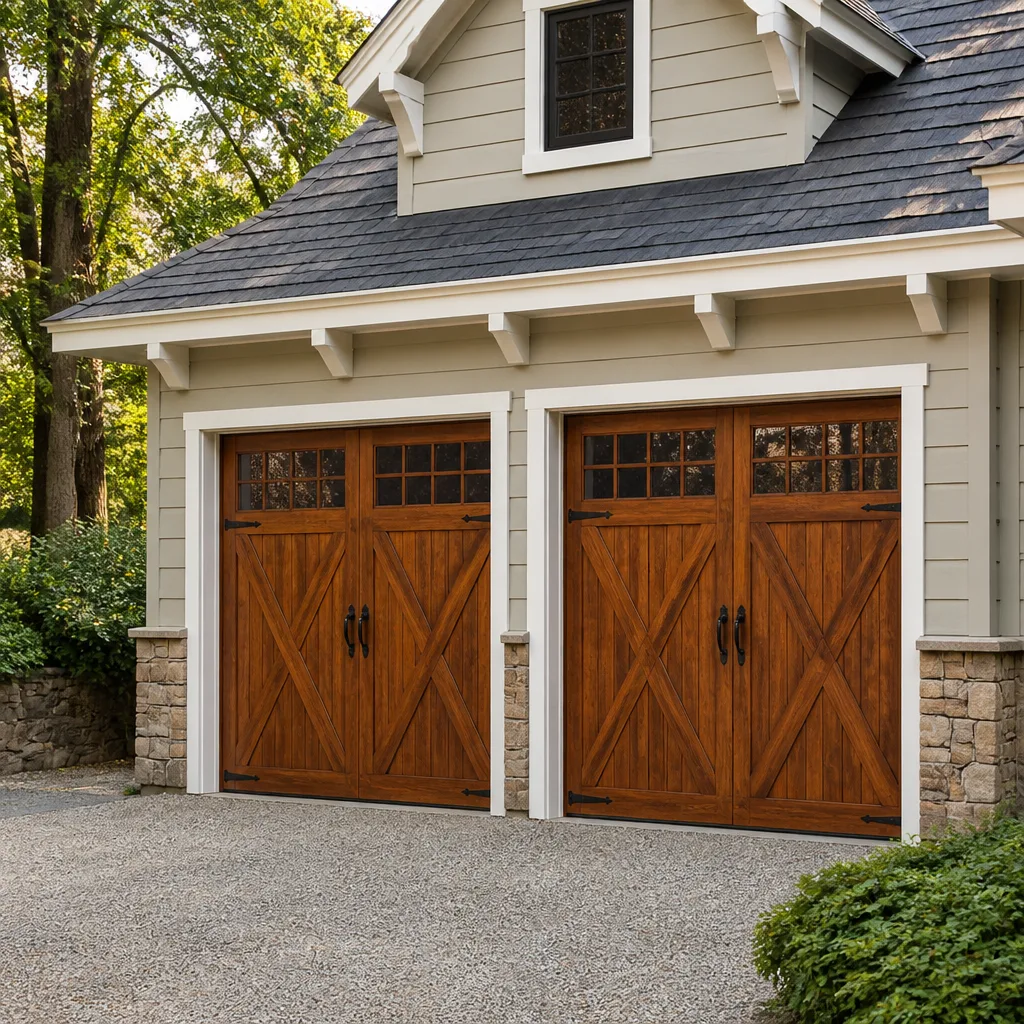 Carriage house
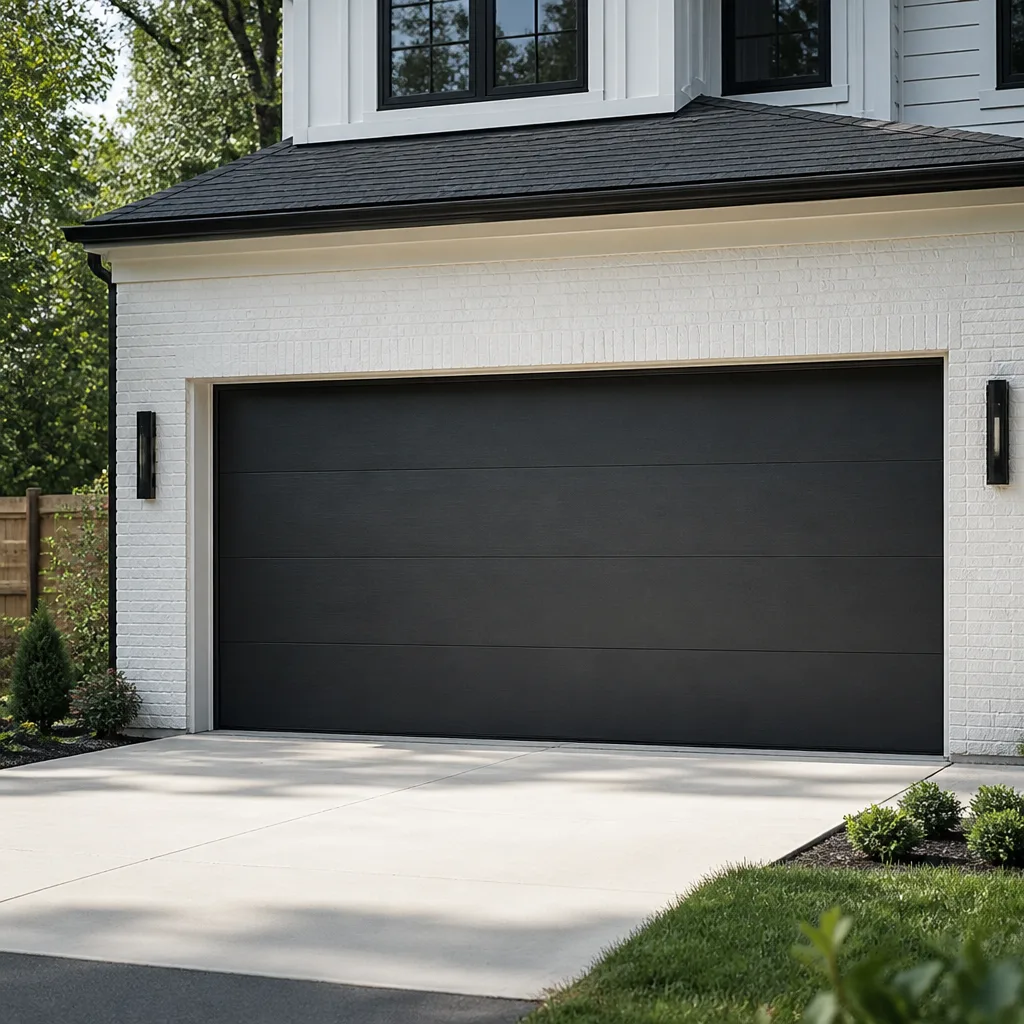 Modern flush
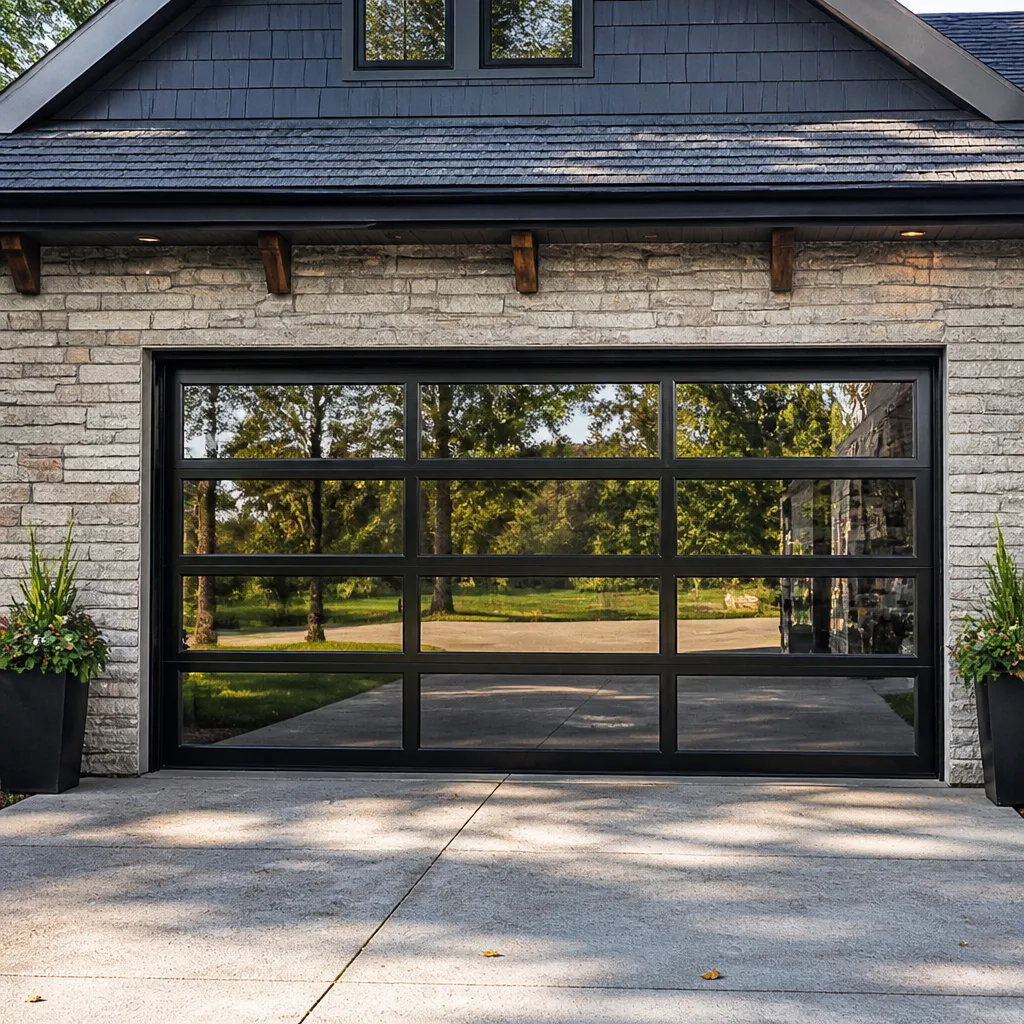 Full-view glass
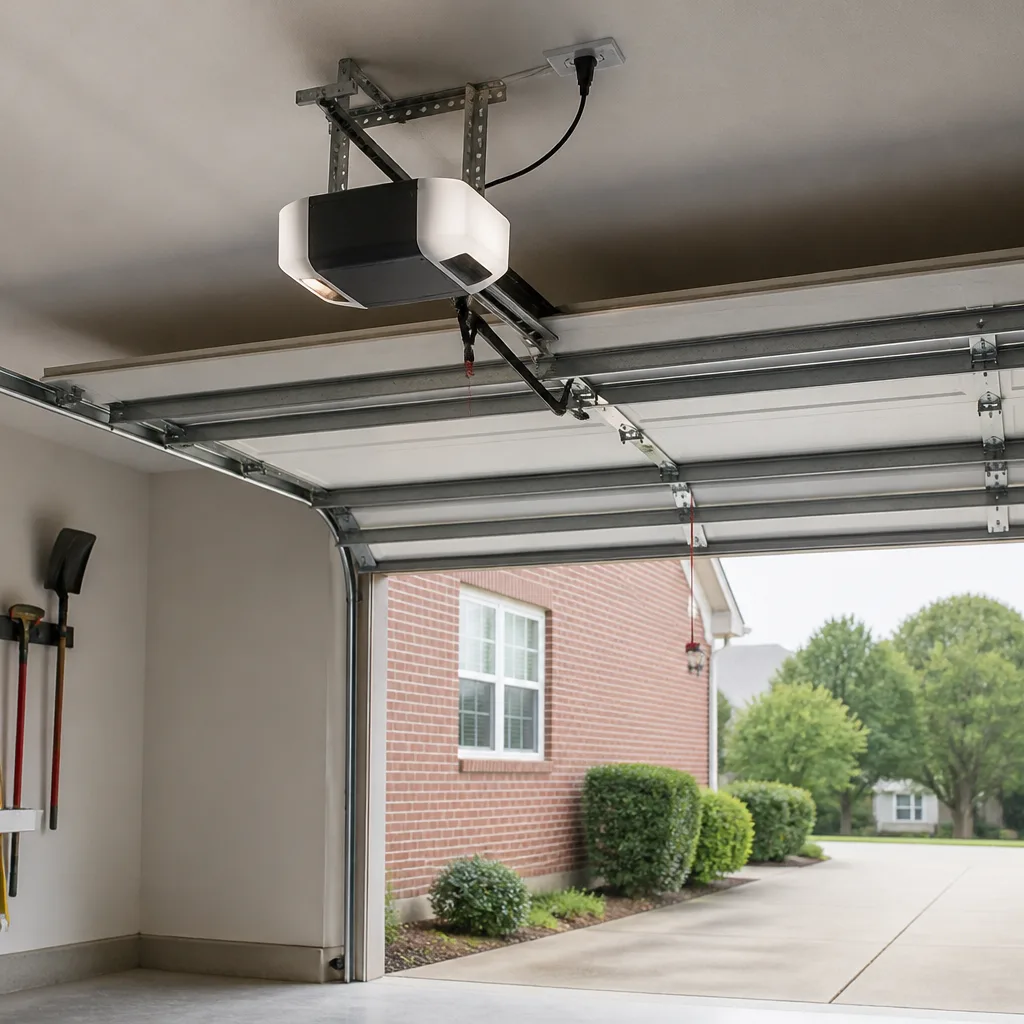 LiftMaster openers
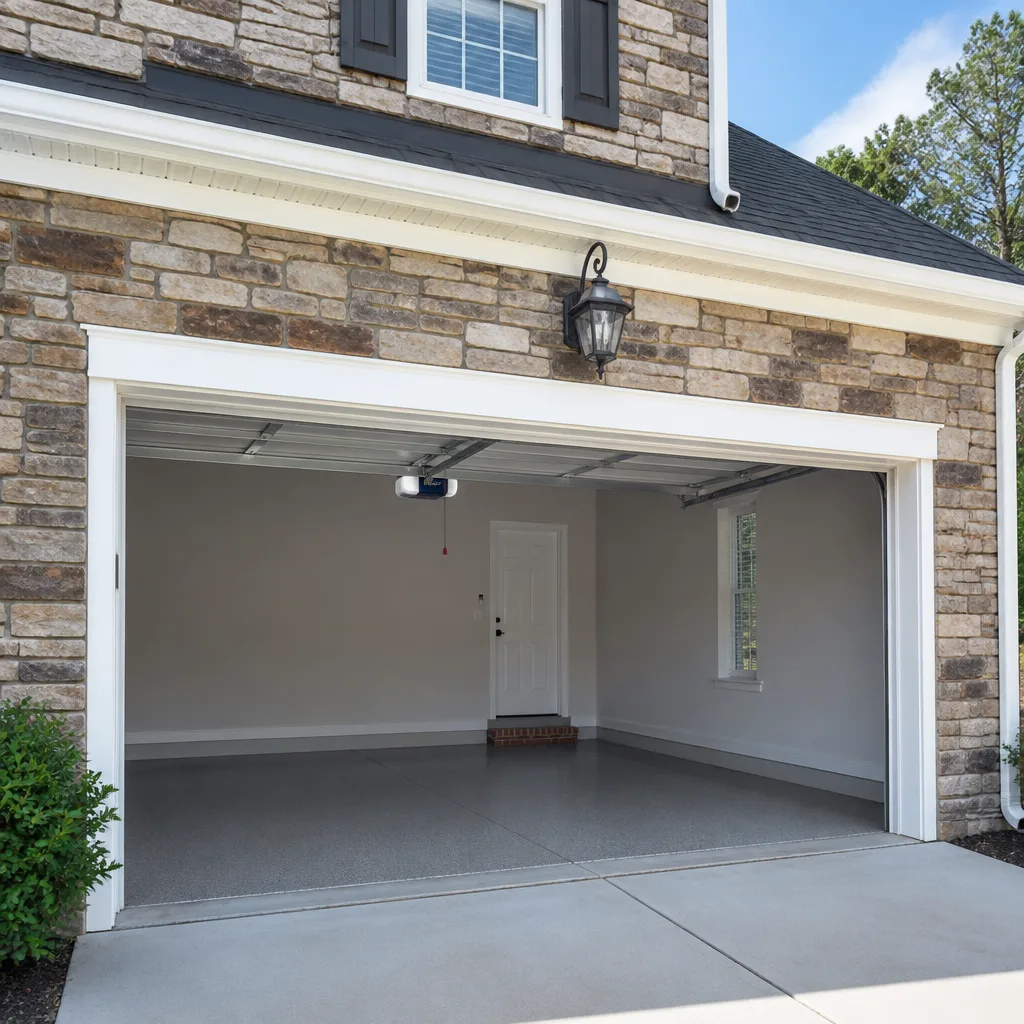 Chamberlain openers
Full 25-point door and opener safety check with every visit - springs, cables, rollers, tracks, and your LiftMaster or Chamberlain opener included
You get a price before we start. It does not change when the pro arrives.
Get your free estimateGarage Door Warning Signs: A Hollywood Homeowner’s Reference Guide
A garage door that hesitates for two seconds before it moves isn’t just getting old. That lag is usually a torsion spring that has been losing tension for weeks, and when it lets go completely, the door either won’t open or drops hard enough to hurt someone standing underneath it. The two-second pause is a countdown, not a quirk. Most of the door failures we see around Hollywood followed a trail of signals the homeowner noticed and dismissed because nobody explained which symptoms are cosmetic and which point to a part that’s about to fail. This guide names each sign, tells you what it predicts, and says plainly whether it’s something you can check from the ground or something you should stop using today.
Quick Answer
The warning signs that matter most are a door that hesitates or reverses before opening, a loud bang from above the door, visible gaps in the spring coils, frayed or slack cables, and a door that feels heavy when you lift it by hand. These point to spring, cable, or balance problems that get worse, not better, and they need a trained technician before the door is used again. Squeaks, rattles, and a sluggish opener are usually earlier-stage issues that can be scheduled rather than rushed.
Styles & brands we work with
- Raised-panel steel
- Carriage house
- Modern flush
- Full-view glass
- LiftMaster openers
- Chamberlain openers
Table of Contents
- Why Doors Fail in a Predictable Sequence
- Off-Balance vs. Struggling: Two Very Different Problems
- Reading the Noise: Grinding, Squealing, Popping, and Rattling
- What “Worn” Actually Looks Like: Springs and Cables from the Ground
- When the Door Works by Hand but Fails with the Opener
- Hollywood-Specific Warning Signs: Humidity and Salt-Free Corrosion
- Why Brand Matters When You Call
- The Severity Ladder: What to Watch, What to Fix, What to Stop
Why Doors Fail in a Predictable Sequence
Garage doors don’t fail randomly. The parts wear in a chain, and each link telegraphs the next one. Understanding that chain is what lets you tell a cosmetic annoyance from a structural warning.
Every door is a balance machine. The springs carry the door’s weight; the opener only supplies the nudge. When a spring weakens, the door gets heavier, and the opener works harder to lift it. That extra strain shows up first as noise and hesitation, then as opener strain, then as a stripped gear or a burned-out motor, and sometimes as a bent panel from a door that came down crooked.
The chain typically runs like this:
- Spring loses tension. The door feels heavier than it did a month ago.
- Door hesitates or moves unevenly. One side lifts before the other.
- Opener overworks. Grinding, strain sounds, occasional reversal.
- Cable or spring fails outright. A loud bang, a door that won’t move, or a door stuck open.
- Door drops or comes off track. The dangerous end of the sequence.
In Hollywood, the sequence often runs faster because humidity works on metal parts year-round. The point of this guide is to catch problems at step one or two, when a repair is a straightforward job rather than an emergency. If you recognize your door anywhere on that list, our garage door repair team can walk through it with you and tell you honestly what stage you’re at. Every estimate is free, and the price is quoted and agreed before any work starts.
One thing worth stating up front: nothing in this guide is a set of instructions for repairing a spring or a cable yourself. Torsion springs and the cables under them store enough energy to cause serious injury, and the professional rule in this trade is to stay out from under a door with a doubtful spring. Reading the signs is your job. Repairing them is ours.
Off-Balance vs. Struggling: Two Very Different Problems
Homeowners use “off-balance” and “struggling” almost interchangeably. They are not the same failure, and they lead to different repairs. Getting the distinction right at the start saves you from paying for the wrong fix.
Off-balance means the door doesn’t lift evenly. One side rises before the other, or the door drifts down on one side when you let go of it halfway. Off-balance almost always points to the springs, cables, or the door’s own weight distribution. Left alone, an off-balance door twists its panels and wears its tracks unevenly. It can also let a panel jump the track entirely, which is where door damage turns expensive.
Struggling means the door moves evenly but slowly, noisily, or with visible effort. It often points to the opener working harder than it should, or to stiff rollers and dry hinges adding drag to an otherwise healthy door. A struggling door that’s lubricated and still struggles is usually a sign the opener is compensating for a spring that’s lost tension.
Here’s the practical difference in what you’d check from the ground:
- Off-balance: the door looks crooked in the opening, one side sits lower, or the gap along one edge is wider than the other.
- Struggling: the door looks straight but moves slowly, sounds strained, or stops and reverses partway up.
- Off-balance after an impact: a bent panel or a dented track is often what pushed the door out of alignment, so the door damage came first.
In a Hollywood home, off-balance symptoms deserve faster attention than struggling ones, because a crooked door left running can bend a track beyond repair. Struggling symptoms can usually be booked in for a normal appointment. Both are worth a call, but only one is worth stopping the door over. That’s the kind of distinction our Hollywood Garage Door Repair Pros technicians can make on sight, and it’s the first question we ask when a homeowner describes the problem on the phone.
Reading the Noise: Grinding, Squealing, Popping, and Rattling
Noise is the door’s way of telling you which part is failing. Each sound maps to specific hardware, and hearing the right one changes what the repair actually is. Listen once with the door moving and again with it stopped. The location of the sound matters as much as the sound itself.
- Grinding usually comes from the opener’s gear and rail, or from rollers that have seized and are dragging along the track. A dry, metallic grind from the ceiling unit is the opener telling you it’s overworked. Grinding from the track is a roller or track problem.
- Squealing is almost always metal-on-metal friction: dry hinges, dry rollers, or a torsion tube that needs lubrication. It’s the most forgiving of the four noises and the easiest to schedule.
- Popping is the one to take seriously. A pop from above the door often means a torsion spring has slipped or a cable has jumped its drum. If you hear a pop and the door stops moving, stop trying to open it.
- Rattling points to loose hardware: hinge bolts, the opener’s mounting bracket, or the track’s attachment points. A loose bracket lets the whole door shake and eventually pulls the track out of alignment.
Noise signatures also tell you when the problem is the opener rather than the door. A LiftMaster or Chamberlain unit that grinds but runs quietly when the door is disconnected is telling you the door is the load, not the motor. A Genie that rattles in its own housing is telling you its internal parts are loose. We work on all of those, and on Raynor hardware as well, so the sound tells us what to bring before we arrive.
One local note: in Hollywood, dry hinges squeak sooner than they would in drier climates because humidity cycles pull lubrication out of the joints. A door that was quiet six months ago and squeals now is usually just overdue for a lube and tune, not a failing spring. But if the squeal came on suddenly, after a bang or a pop, treat it as an early sign of a spring problem instead.
What “Worn” Actually Looks Like: Springs and Cables from the Ground
You can inspect springs and cables safely without climbing or touching them. The inspection is visual only, from the floor, with the door closed and the opener disconnected. What you’re looking for is specific, and “worn” has a real appearance.
- Look at the spring coils. A torsion spring sits above the door, horizontal. A healthy spring has tight, even coils. Look for a visible gap between coils, a spring that looks stretched longer than it should, or paint flaking off in a line. A gap means it has lost tension.
- Look for a visible break. A broken torsion spring often shows a clean split somewhere along its length. Extension springs run along the tracks; look for a gap in the coil or a spring that looks slack.
- Look at the cables. They run from the bottom corners of the door up to the drums on the spring shaft. A healthy cable is taut, unbroken, and sits neatly in its drum. A worn one shows frayed strands, kinks, or a cable that looks slack or loops off the drum.
- Look at the track alignment. Stand back and look down each track. It should be straight. A bowed or dented track, especially near the bottom curve, is where panels start jumping.
- Look at the bottom seal and panels. A rotten bottom seal lets humidity into the gap. A bent or cracked panel changes the door’s balance and puts strain on the springs.
If you see any of these, stop using the opener. Do not try to lift the door by hand to “test” a spring you suspect is broken. A broken torsion spring means the door’s full weight is unsupported, and lifting it can bring it down on you. The same goes for a slack cable. Call a technician instead, and do not stand under the door while you wait.
This is the part of the guide where we most often hear from Hollywood homeowners who checked, saw something, and weren’t sure what they were looking at. That’s normal. The safe move is to describe what you saw over the phone. Our team can tell you in a few questions whether it needs a same-day visit or can wait for a scheduled appointment.
When the Door Works by Hand but Fails with the Opener
A door that lifts smoothly when you pull the manual release, but hesitates, reverses, or refuses to move when the opener runs it, is almost always an opener problem. Not a door problem. That distinction decides who you call and what you pay for.
Here’s the reasoning. The opener’s job is small: it moves a balanced door. If the door is perfectly balanced, the opener just has to start and stop it. If the door works by hand, the spring and balance are fine. The failure is in the opener’s motor, its logic board, its travel limits, or its force settings.
Common opener-side symptoms to watch for:
- The door opens a foot and reverses. Often a travel-limit setting or an obstruction sensor issue.
- The opener hums but the door doesn’t move. Usually a stripped gear or a failed capacitor.
- The opener runs but the door barely moves, and the door is easy to lift by hand. Often the chain or belt is loose or the trolley has failed.
- The opener loses its memory of where open and closed are. Common on Wi-Fi and smart-home integrated units after a power interruption, and sometimes a sign the logic board is going.
This is also where brand familiarity earns its keep. A smart-home-connected Chamberlain behaves differently from a Genie, and a LiftMaster with a battery backup has its own set of quirks. In our experience, a technician who knows the unit before opening it diagnoses the problem in minutes rather than working it out on your time. If the opener turns out to be at the end of its life, a garage door opener repair visit tells you whether to repair or replace, and you get the answer before any work starts.
Do one safe check before you call: confirm the manual release works and the door moves freely. If it does, describe the opener symptoms precisely. If the door does not move freely by hand, treat it as a door problem and read the section on balance and springs again.
Hollywood-Specific Warning Signs: Humidity and Salt-Free Corrosion
Hollywood’s humidity does its own kind of damage, and it shows up in ways a generic warning-signs list won’t cover. South Florida air keeps metal parts damp for much of the year, and the doors here live with condensation on their hardware in a way doors in dry climates never do. What you’re looking for locally is corrosion at the joints, not at the springs alone.
Specific warning signs we look for in Hollywood homes:
- White or green powdery buildup on hinges and roller stems. That’s corrosion blooming where lubrication used to be. It stiffens the door and adds drag.
- Rust streaks running down the inside of the door panels. Common on steel doors near the bottom edge, where the seal traps humidity.
- A bottom seal that has gone brittle or grown mold. The seal keeps humidity and pests out. A failed seal lets both in, and the wood frame behind it starts to go.
- Sticking hinges after rain. A hinge that sticks one week and frees up the next is a hinge that needs lubrication, not replacement.
- Paint bubbling around panel seams. Bubbling traps moisture behind the paint and usually means the door’s finish needs attention before the metal does.
The good news is that Hollywood’s weather spares the door the extremes that break hardware in colder parts of the country. There’s no freeze to crack a seal and no snow load to stress a panel. The local risk is slower: moisture working on joints and seals over months. Which means the practical routine here is lubrication and seal checks, done as the seasons shift from the wetter months to the drier ones. A door that gets a proper lube of hinges, rollers, and the torsion tube holds up far better than one that’s never touched.
Roof overhangs and tree cover matter too. A door under heavy shade in a Hollywood neighborhood stays damp longer after rain, so its hardware corrodes faster. If your door sits in shade most of the day, check the hinges and roller stems every few months rather than once a year.
Why Brand Matters When You Call
The garage door in your home is a specific system from a specific manufacturer, and the parts, settings, and failure patterns differ between them. A technician who knows the brand before opening the door arrives with the right parts and the right questions. That’s the difference between one visit and three.
We service equipment from LiftMaster, Chamberlain, Genie, Clopay, Amarr, Wayne Dalton, Craftsman, and Raynor. That range covers most of the doors and openers installed in Hollywood homes, which means the brand already in your garage is the brand we work on. You don’t get pushed toward a replacement because the technician only knows one system. We fix what’s there.
When you call, the most useful thing you can tell us is what’s printed on the opener housing or the door’s edge sticker. If you can’t find it, a photo of the opener and the spring assembly is enough for us to identify the system and the likely problem. That saves time on the visit and often lets us bring the right spring or opener part the first time.
This matters most with openers, where smart-home integration has changed the picture. A Wi-Fi-connected LiftMaster or Chamberlain unit talks to an app, holds travel limits in memory, and has safety sensors that behave differently from an older Genie or Craftsman. A technician who works on those systems regularly can keep a connected setup working without breaking the manufacturer’s configuration. If your opener has also stopped responding to the remote or the app, a garage door opener repair appointment covers both the mechanical and the connected side in one visit.
If the door itself is beyond repair, the same conversation covers replacement. Our garage door installation team measures, orders, and schedules the new door, and the work stays under one company rather than being handed off. Replacement is a measured job, so it’s scheduled rather than same-day, and you get a written price before anything is ordered.
The Severity Ladder: What to Watch, What to Fix, What to Stop
Not every warning sign is urgent. Sorting them into three tiers tells you what to do tonight, what to book this week, and what to leave until you’ve called someone. We use this same ladder when a homeowner describes a problem over the phone, and it’s the fastest way to know how worried to be.
Tier 1: Watch, schedule a tune-up. These are cosmetic or maintenance-level signs. The door still works.
- Occasional squeaks from hinges or rollers.
- Rattling that stops when the door is closed.
- Rust streaks on the panels with no effect on movement.
- A slow opener that otherwise completes its travel.
Tier 2: Fix this week. These signs point to a part that’s wearing and will fail. The door still works, but stop relying on it for anything critical.
- Grinding from the opener or track.
- A door that hesitates before opening.
- A door that looks slightly crooked in the opening.
- A bottom seal that’s rotten or letting moisture in.
- A remote or app that’s stopped responding.
Tier 3: Stop using the door and call now. These signs mean a part has failed or is about to. Every cycle risks injury or damage.
- A loud bang from above the door, followed by a door that won’t move.
- A visible gap in the spring coils or a broken spring.
- A frayed, kinked, or slack cable.
- A door stuck open or hanging crooked.
- A door that reverses or drops partway through a cycle.
- A door off its track.
If you’re at Tier 3, don’t run the opener to “see if it works now.” Don’t try to force the door down. Don’t stand under it while you wait for a technician. And don’t try to fix a spring or cable yourself, because the energy stored in those parts is enough to cause serious injury. This is the one part of the guide where the honest answer is: stop, and call.
For Tier 3 situations, we offer emergency garage door service for time-sensitive failures like broken springs, off-track doors, and opener failures. If a door fails on a Saturday, we’re closed on Saturdays, but you can call and we’ll book you for Sunday. When your door won’t move, we will.
Common Mistakes to Avoid
- Treating a broken spring as a door problem and forcing it. A broken torsion spring means the door’s weight is unsupported. Forcing it up can bring it down hard, and no repair is worth that risk.
- Ignoring a two-second hesitation because the door still opens. The hesitation is a spring losing tension, and it gets worse every cycle. Booking the repair early is cheaper than replacing the opener the failing spring eventually damages.
- Replacing the opener to fix a door problem. If the door is hard to lift by hand, the door needs repair, not a new motor. In Hollywood, this is the most common misdiagnosis we see, and it costs homeowners money for the wrong fix.
- Trying to fix springs or cables yourself. Torsion springs and the cables under them carry serious injury risk. Homeowners can inspect from the ground. Repair is a trained technician’s job, no exceptions.
- Lubricating the wrong parts. Greasing the tracks attracts grit. The lubrication goes on hinges, roller stems, and the torsion tube, not the track surface. Doing it right once a season prevents more squeals than any single repair.
- Letting a humidity-damaged seal stay in place. In Hollywood, a failed bottom seal lets moisture into the door frame all year. Replacing it early is a small job that protects the door and the frame.
- Calling a one-brand shop for a different manufacturer’s door. A door system is specific to its brand. A technician who knows LiftMaster, Chamberlain, Genie, Clopay, Amarr, Wayne Dalton, Craftsman, and Raynor arrives ready to work on what you have.
See the difference
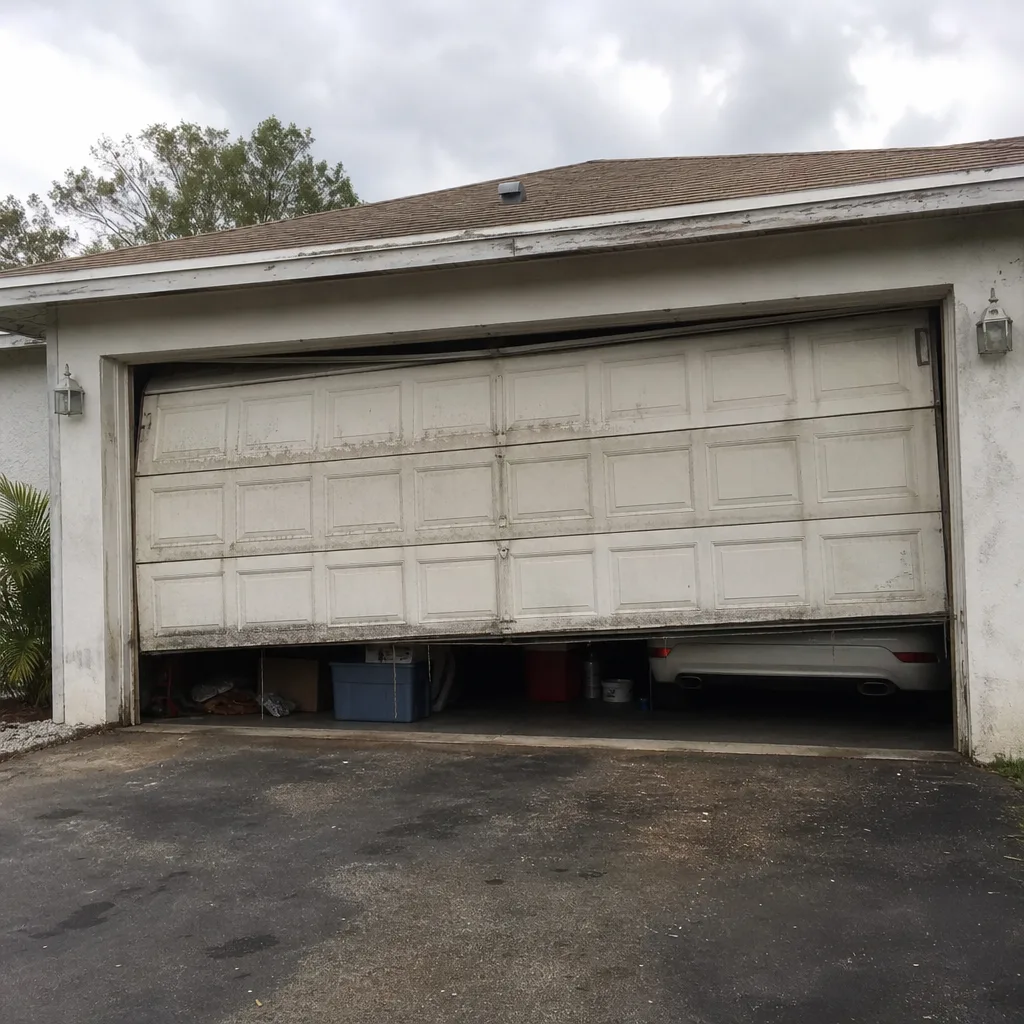 Before
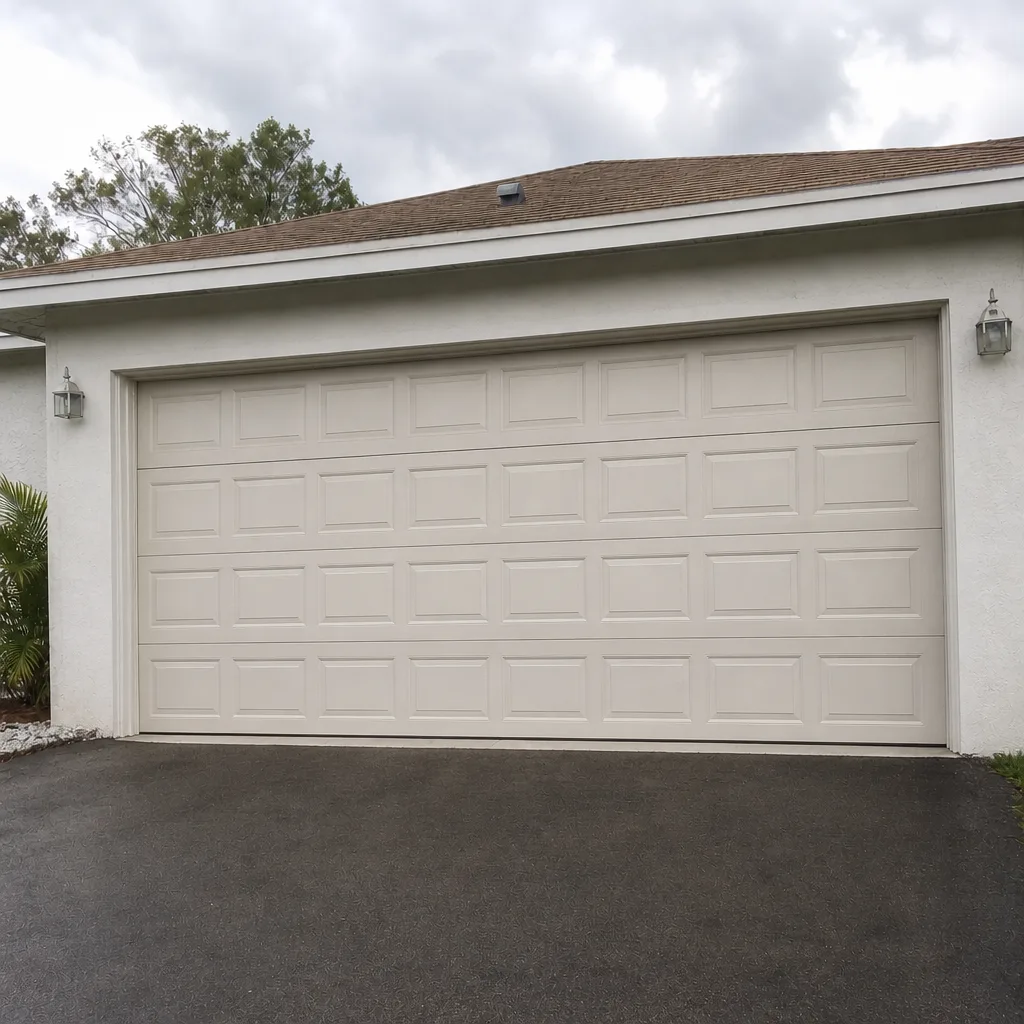 After
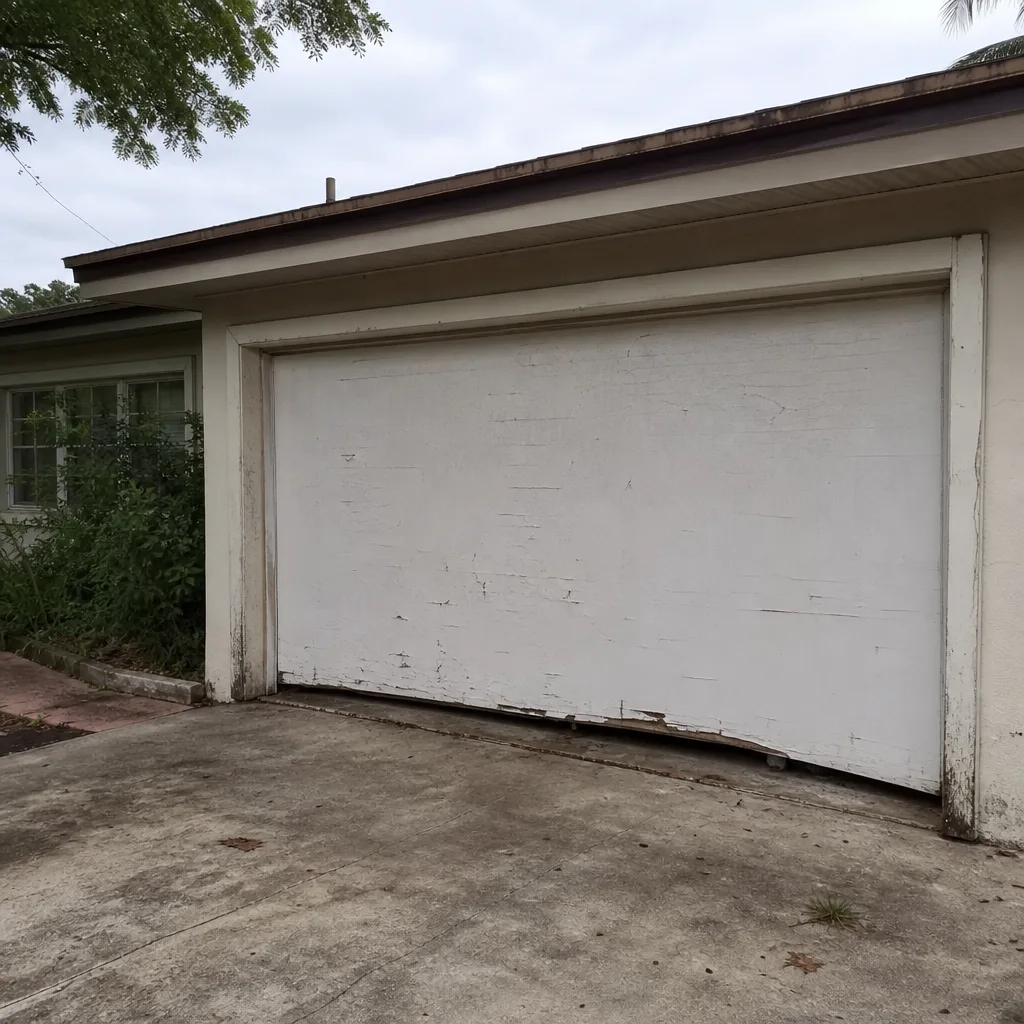 Before
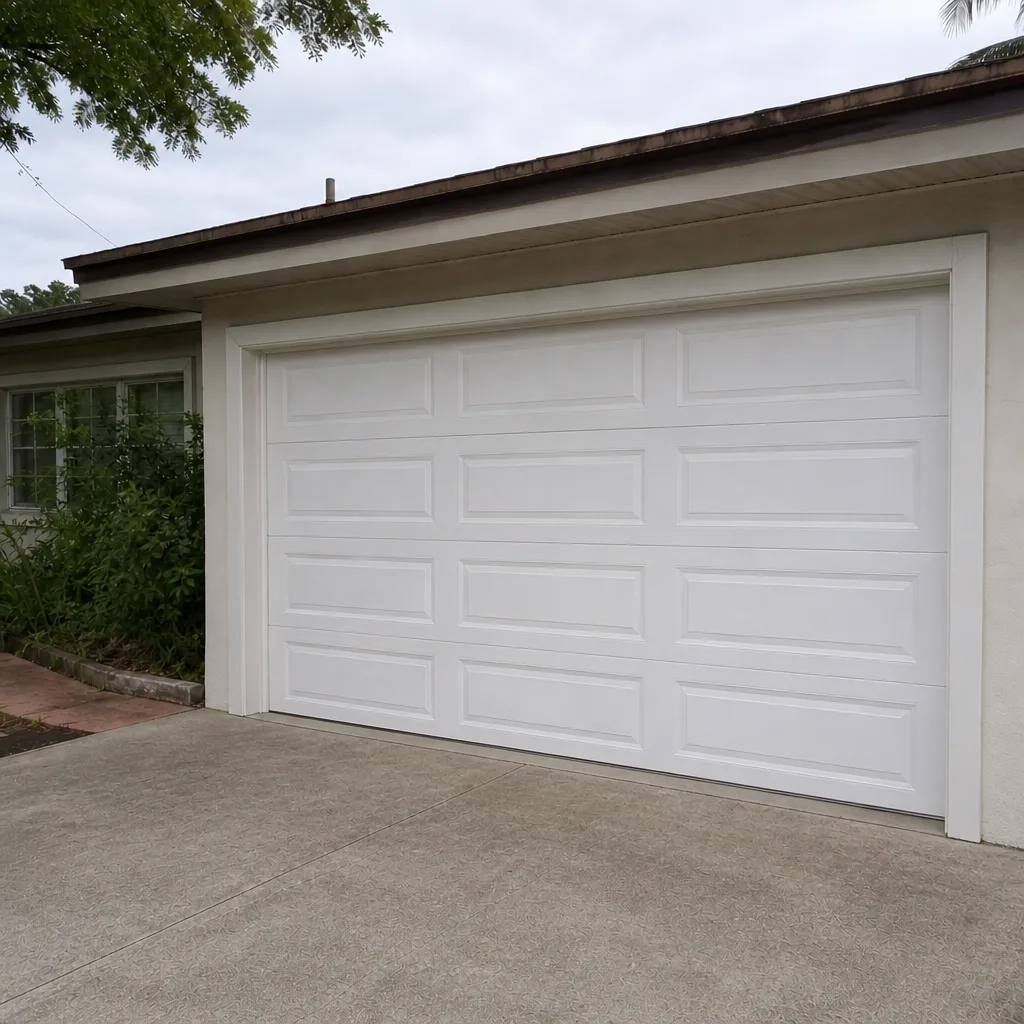 After
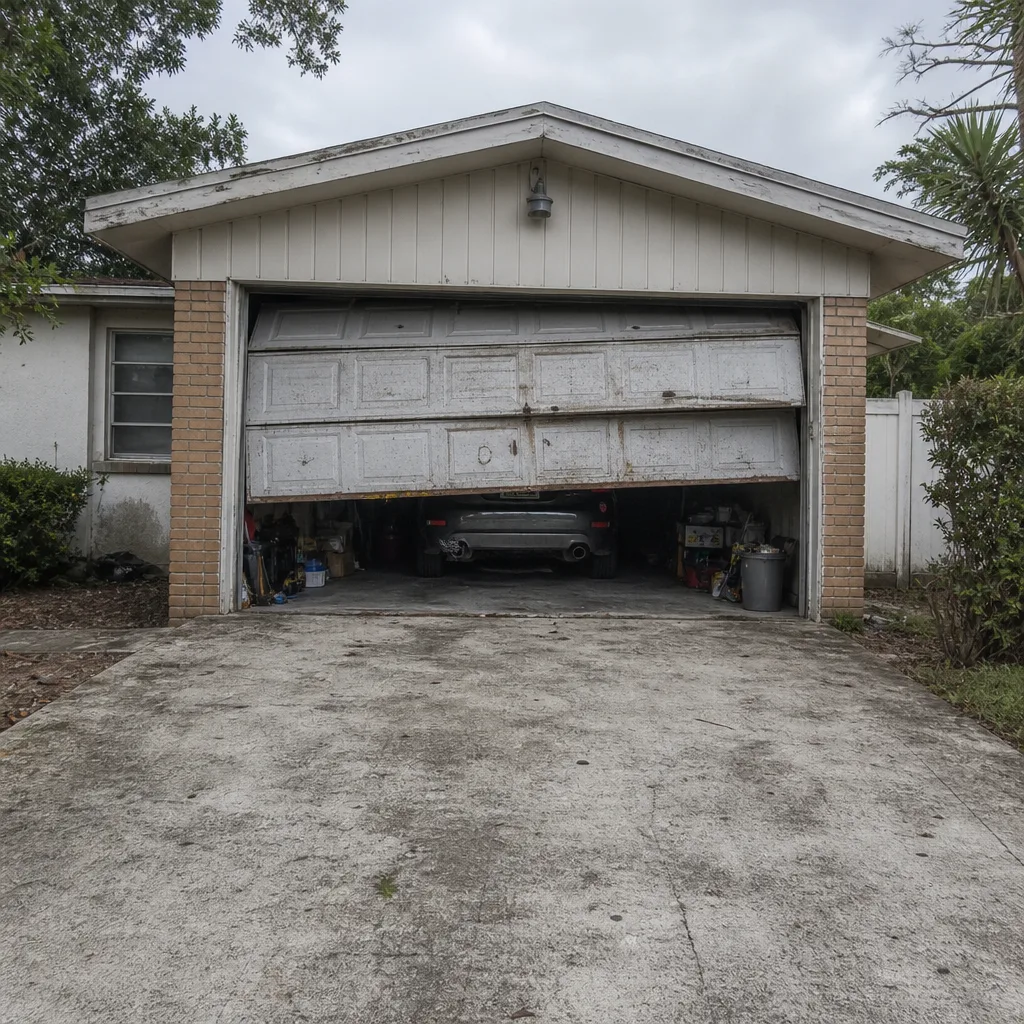 Before
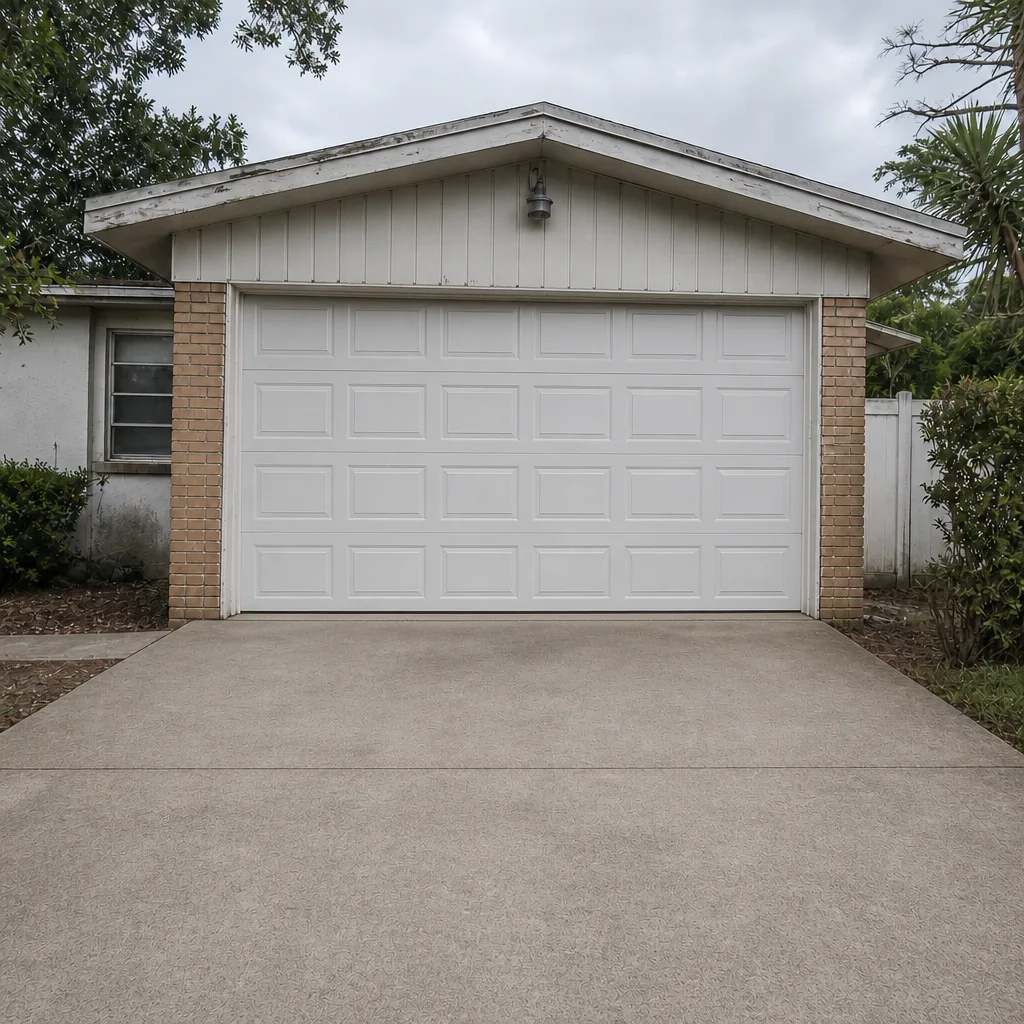 After
When to Call a Professional
Call a professional when any Tier 3 sign is present: a broken spring, a frayed or slack cable, a door stuck open or off its track, a loud bang from above the door, or a door that drops or reverses partway through a cycle. Call when the door hesitates before opening, looks crooked in the frame, or struggles against the opener even after lubrication. Call when a bottom seal has failed or you’ve found corrosion at the hinges and roller stems that stiffens the door. And call if the opener hums without moving the door, loses its travel limits, or stops responding to its remote or app. Hollywood Garage Door Repair Pros offers free estimates in Hollywood. Call (877) 792-6497, and the price is quoted and agreed before any work starts.
Frequently Asked Questions
The most serious signs are a visible gap in the spring coils or a broken spring, a frayed or slack cable, a loud bang from above the door, a door stuck open, and a door that drops or reverses partway through a cycle. All of these mean a part has failed or is about to, so stop using the door and call (877) 792-6497.
A broken torsion spring usually shows a clean gap in the coils, and the door suddenly becomes very heavy or won’t lift at all. Extension springs run along the tracks and show a gap in the coil when they break. Look from the ground only, never try to lift a door with a suspect spring, and call for help. Estimates are free.
Yes, a visual inspection from the floor is safe as long as the door is closed and the opener is off. You can look for gaps in the coils, a broken spring, frayed or kinked cables, and bowed tracks. What you shouldn’t do is touch, lift, or try to repair a spring or cable, because the stored energy can cause serious injury.
Usually not. Squeaks, rattles, and dry-hinge noise are Tier 1 or Tier 2 signs and can be scheduled. A popping sound or a loud bang is different, because it often means a spring has slipped or broken, and that is worth a same-day call. Call (877) 792-6497 and describe the sound and where it came from.
That pattern almost always means the opener is the problem, not the door. If the door lifts freely with the manual release, the springs and balance are working, and the failure lies in the opener’s motor, gear, travel limits, or safety sensors. A Technician who knows the brand, from LiftMaster to Genie, can diagnose it in a single visit.
Yes, in a specific way. Hollywood’s humidity keeps metal hinges, roller stems, and the bottom seal damp for much of the year, which causes corrosion at the joints and rots seals sooner than in dry climates. Check hinges and roller stems for powdery buildup and the bottom seal for brittleness, and lubricate the moving parts once a season.
The Bottom Line
Garage door failures follow a sequence, and the warning signs along that sequence are readable if you know what each one predicts. Hesitation means a spring is losing tension. Grinding means the opener or a roller is straining. A pop means a spring has slipped. A door that works by hand but fails with the opener has an opener problem, not a door problem. In Hollywood, humidity adds corrosion at the joints and seal rot to the list. Sort what you find into watch, fix-this-week, and stop-now, inspect only from the ground, and never touch a spring or cable yourself. Our technicians have up to 12 years of experience working on the brands already in Hollywood garages.
If you’ve found a sign you’re not sure about, call Hollywood Garage Door Repair Pros at (877) 792-6497 for a free estimate. We work on the brand in your garage, from opener to overhead door, and the written quote sets the price before any work starts.
Written by the team at Hollywood Garage Door Repair Pros.