Last updated November 21, 2026
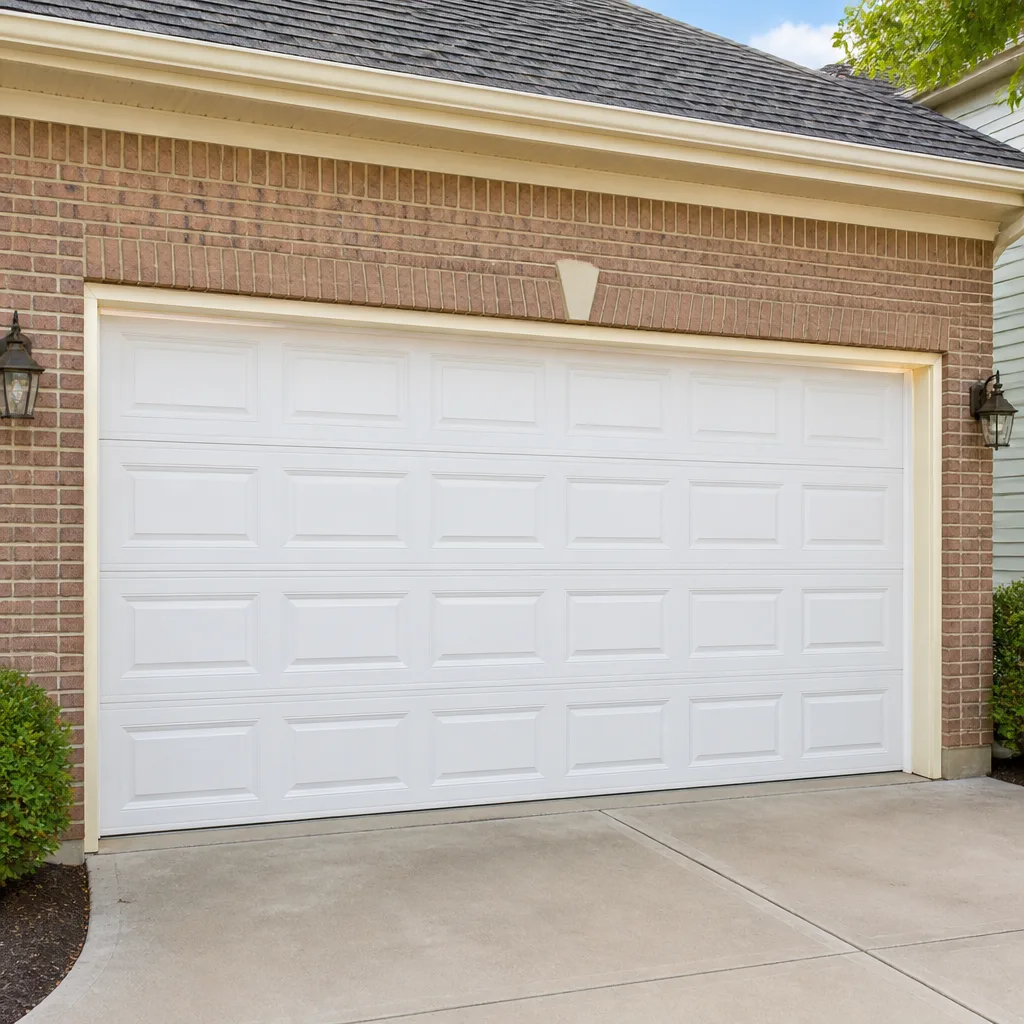 Raised-panel steel
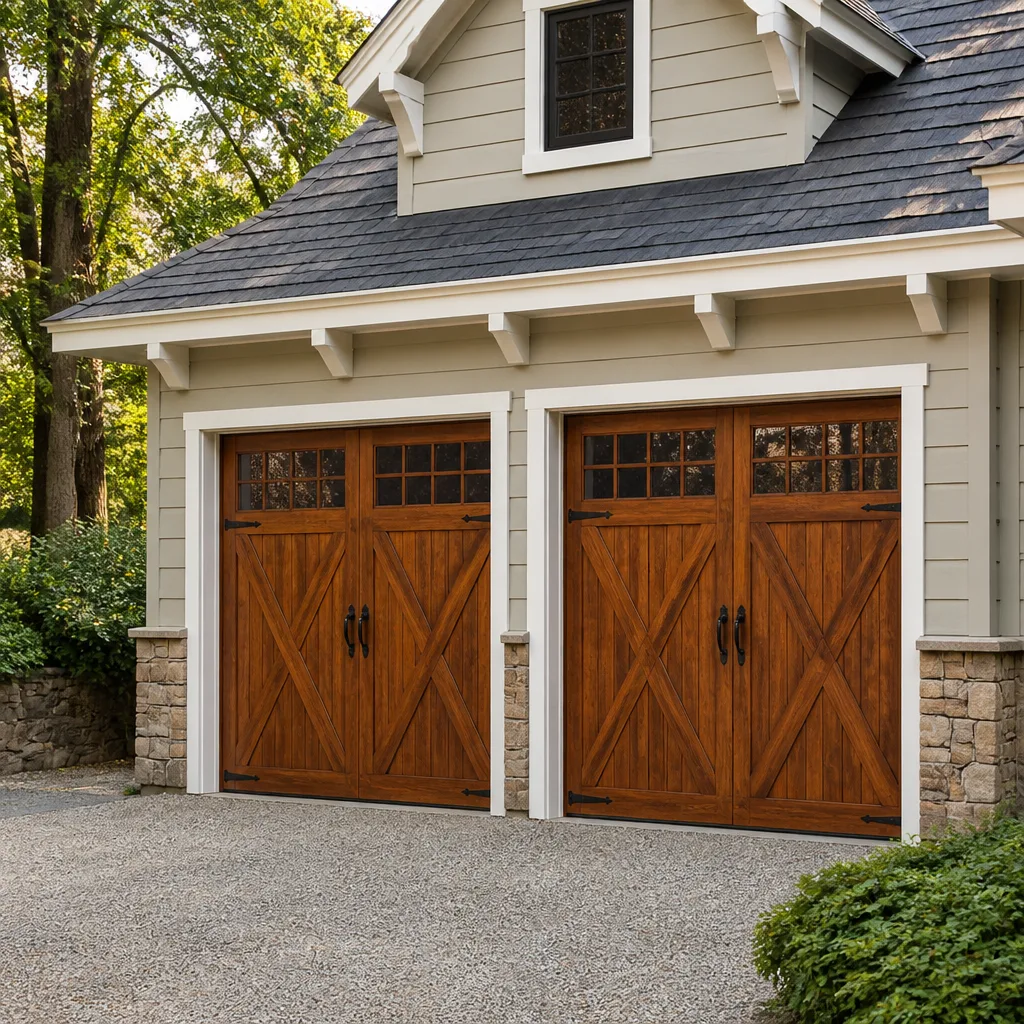 Carriage house
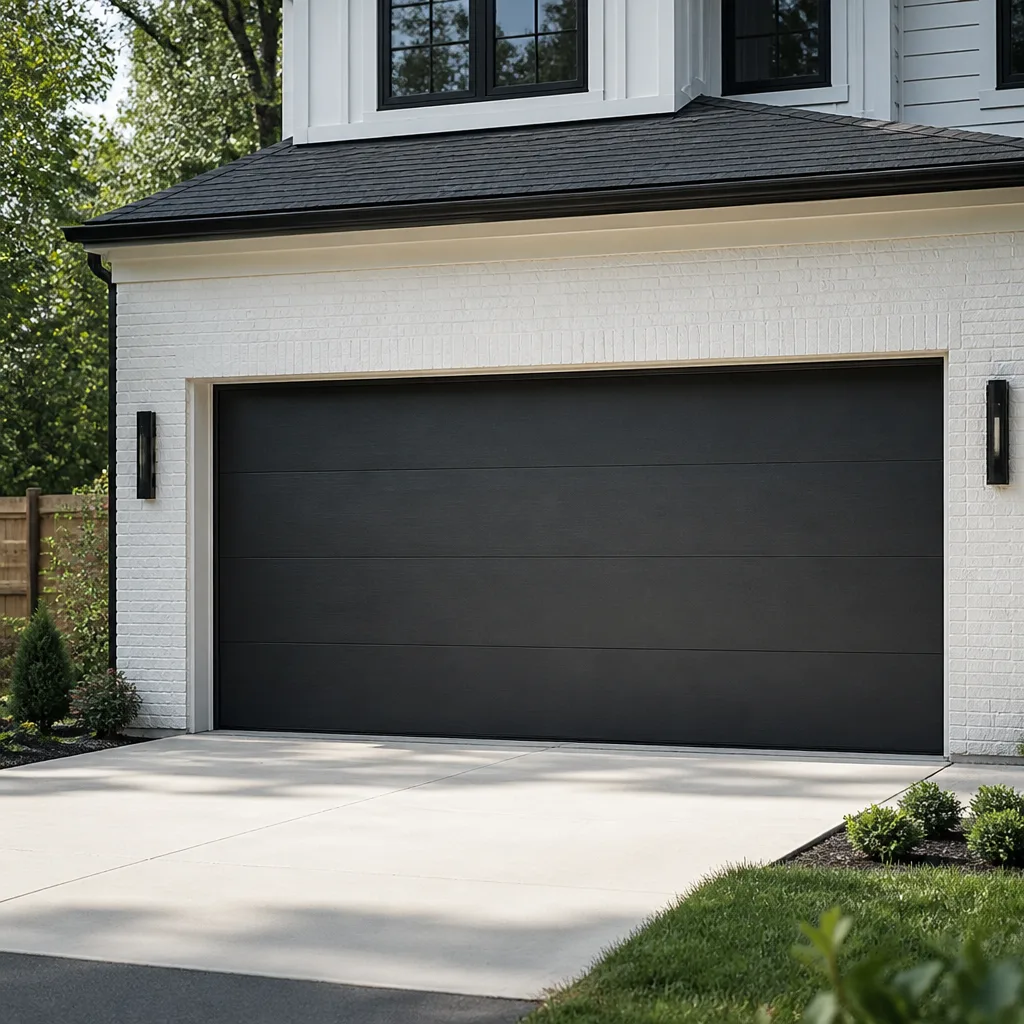 Modern flush
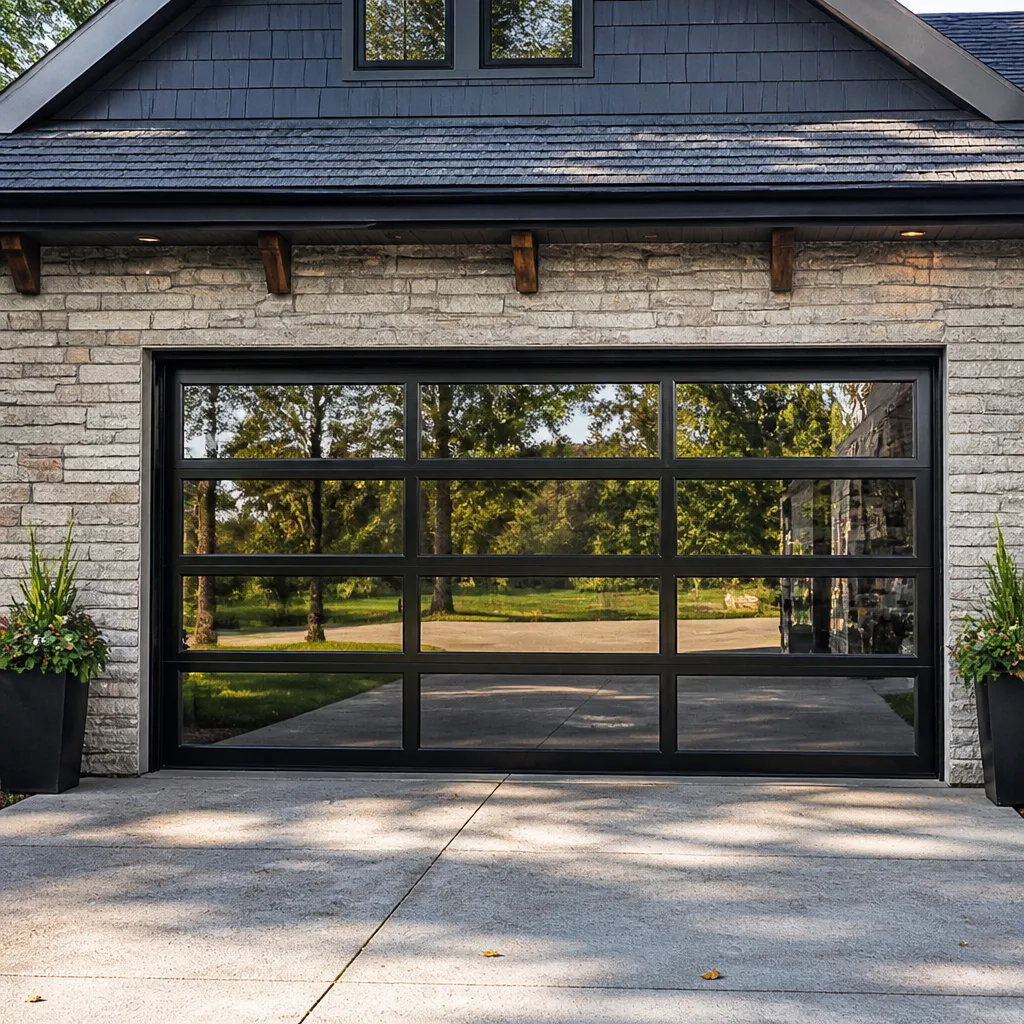 Full-view glass
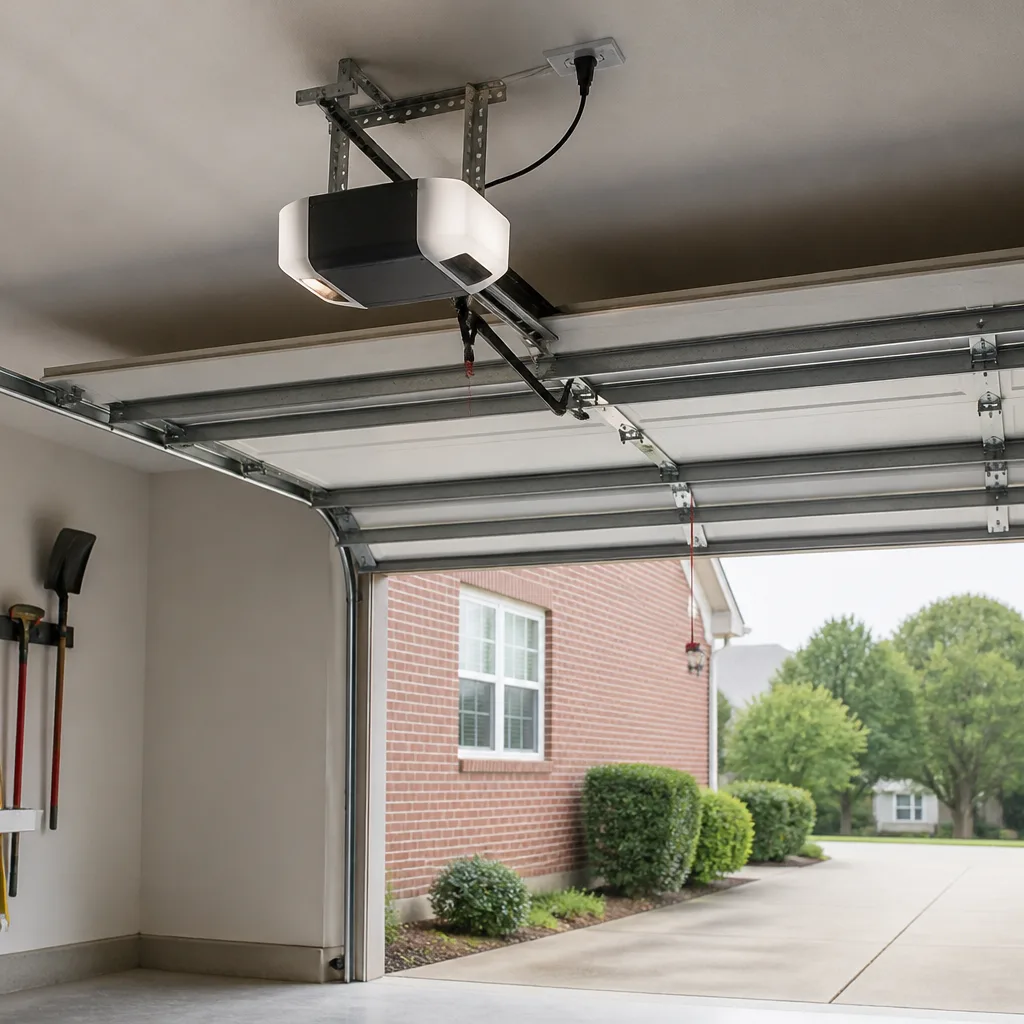 LiftMaster openers
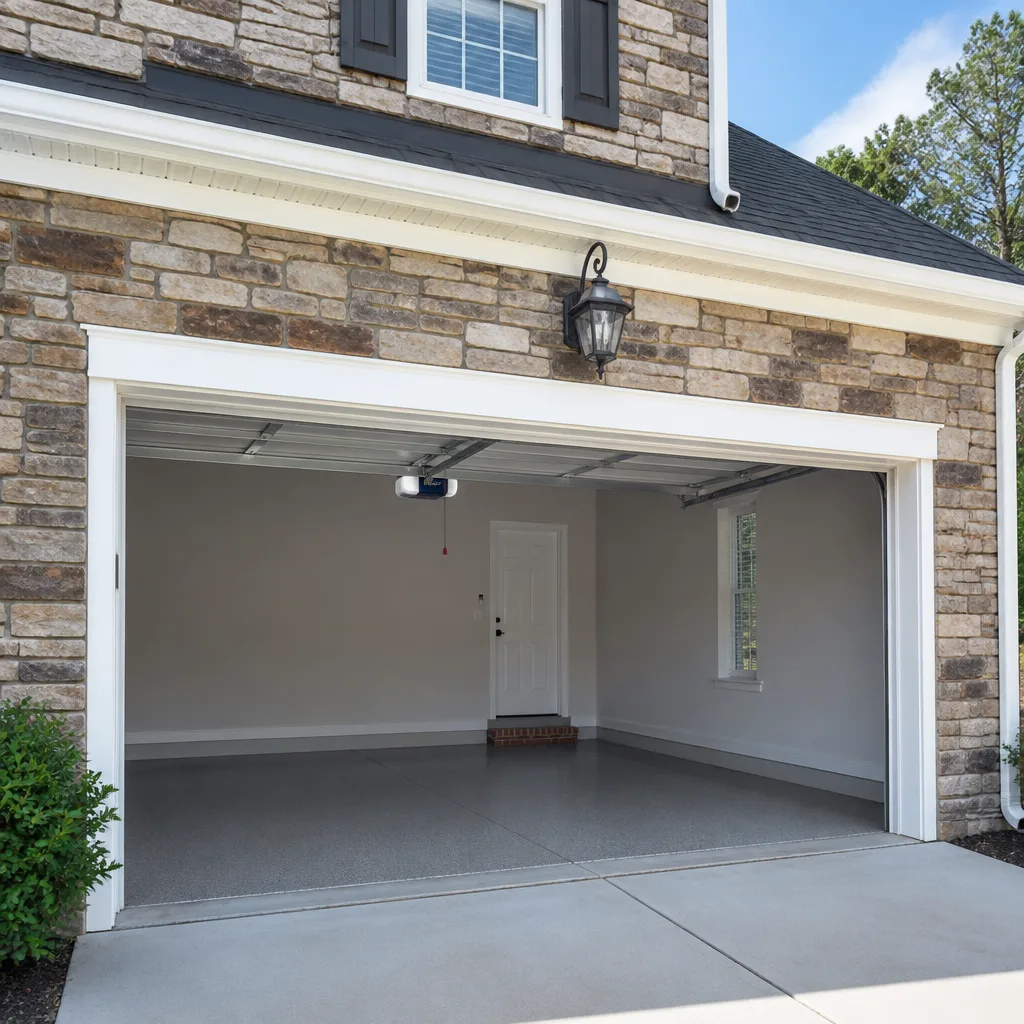 Chamberlain openers
Full 25-point door and opener safety check with every visit - springs, cables, rollers, tracks, and your LiftMaster or Chamberlain opener included
You get a price before we start. It does not change when the pro arrives.
Get your free estimateSeasonal Garage Door Care for Hollywood: Year-Round Homeowner’s Guide
Most garage door maintenance advice was written for a place with four clear seasons, and Hollywood doesn’t work that way. We don’t get a deep freeze that cracks seals or a long thaw that floods tracks. What we get is a stretch of punishing summer heat, a humid wet season that parks moisture on every moving part, and a dry winter that quietly dries out seals and wooden panels. Each phase attacks a different piece of your door, which is why a generic spring-and-fall checklist misses most of what actually fails in Hollywood. This guide maps care tasks to the calendar we live with here – hurricane season, the hot wet months, and the cool dry window – and shows you what to inspect, when, and what to leave to a professional.
Quick Answer
In Hollywood, garage door care should follow the local climate calendar: inspect wind-load hardware, the bottom seal, and the emergency release every April and May before hurricane season, check opener motors and lubrication through the hot wet months of June to November, and use the dry December-to-February window for spring and cable inspection while conditions are stable. The single most overlooked task is getting the storm-prep inspection done in spring, well before June 1, rather than reacting when a named storm forms. Our technicians have up to 12 years of experience with the systems installed across Hollywood homes, and we’re glad to talk through any of it.
Styles & brands we work with
- Raised-panel steel
- Carriage house
- Modern flush
- Full-view glass
- LiftMaster openers
- Chamberlain openers
Table of Contents
- Why Hollywood’s Calendar Isn’t Spring and Fall
- The Pre-Hurricane Season Checklist (April-May)
- Summer Heat Above 90°F and Your Opener Motor
- Bottom Seals, Weatherstripping, and the Wet Season
- The Dry Winter Window: Spring and Cable Inspection
- Lubrication: Choosing the Right Product for Each Phase
- Post-Storm Assessment Protocol
- Common Mistakes to Avoid
Why Hollywood’s Calendar Isn’t Spring and Fall
The standard garage door advice you’ll find online assumes two maintenance windows a year – spring and fall – because that’s when temperatures swing hard in colder parts of the country. Hollywood’s year divides differently. We get a wet season that runs roughly June through November, coinciding with hurricane season, where humidity sits high and afternoon storms roll through most days. We get a summer where garage interiors regularly climb past 90°F, often well into triple digits inside a closed, unvented garage. And we get a dry season from roughly December through February when the air is cool and comparatively stable.
Those phases stress different components:
- Wet season: bottom seals, weatherstripping, tracks, rollers, and any exposed metal hardware all face daily moisture. Wooden and composite panels absorb humidity and can warp or swell slightly.
- Summer heat: opener motors run hotter, lubricant thins and migrates, and plastic gears and logic boards in units mounted in non-air-conditioned garages work harder than the manufacturer’s test bench ever assumed.
- Dry winter: rubber seals stiffen and can crack, wood panels shrink back, and this is the calmest, most predictable window for inspecting springs, cables, and alignment.
Matching your maintenance to those three phases is the whole point of this guide. A Hollywood door that gets its storm hardware checked in April, its opener and seals checked through the wet season, and its springs and cables inspected in the dry winter will generally outlast one that just gets a wipe-down when someone remembers. The neighborhood matters less than the phase – a door in a home near the Intracoastal faces the same calendar as one farther inland, though homes with more direct sun exposure tend to see faster seal deterioration on the west-facing side.
The Pre-Hurricane Season Checklist (April-May)
Hurricane season opens June 1, and the work that protects your door should be finished well before then. April and May are the window. Waiting until a named storm is on the forecast means you’re competing with every other homeowner for a technician’s time, and many of the problems that matter most can’t be fixed in a day once they’re found. Here’s the checklist we walk homeowners through:
- Inspect wind-load hardware. Look at the brackets, hinges, and reinforcement plates that tie the door to the framing. Fasteners loosen over a year of normal cycling. Anything backed out, rusted, or visibly bent needs attention before storm season.
- Check the bottom seal. The rubber seal at the floor is your first line against wind-driven rain and pest entry. Run your hand along it and look for cracks, gaps, or sections that have pulled away from the door panel. A seal that’s split will let water in during every summer storm regardless of wind.
- Test the emergency release. With the door closed, pull the red release handle and confirm the door disengages and can be lifted by hand. Re-engage it and run the door through a full cycle. If the release sticks or doesn’t fully re-engage, that’s a safety issue to fix now, not during a storm.
- Confirm the door operates smoothly under manual load. Disconnect the opener and lift the door by hand. It should rise with steady resistance and stay put when you let go halfway. A door that drops or feels heavy is telling you the springs are losing tension or a cable is binding.
- Look at panel and track alignment. Stand back and sight along the door edges. Panels that lean or tracks that bow slightly are early signs that a hinge or roller has worn.
If your door came with manufacturer wind-load reinforcement – common on newer installations from Clopay, Amarr, or Wayne Dalton – confirm that hardware is still in place and correctly fastened. If you’re not sure what your door was rated for, a professional inspection is the fastest way to find out. The city’s building department can also tell you what the current requirements are for your area.
Summer Heat Above 90°F and Your Opener Motor
South Florida summers push garage interiors well past the outdoor temperature, and most garage door openers are mounted on the ceiling of a space that never cools down. That environment shortens the life of an opener faster than almost anything else. The good news is a few checks in late spring and again in mid-summer catch most heat-related problems early.
What to check on an opener in a non-air-conditioned Hollywood garage:
- Motor housing temperature. After a full open-and-close cycle, feel the motor housing. Warm is normal. Too hot to hold your hand on for more than a second is a sign the unit is working harder than it should – often a lubrication or balance issue on the door itself, not the motor.
- Logic board and wiring. Look for any sign of heat discoloration at the terminals or on the board itself. LiftMaster and Chamberlain units with smart-home integration have logic boards that can be sensitive to heat and humidity together; if the unit is dropping its Wi-Fi connection repeatedly through summer, heat is one likely culprit.
- Gear and chain/belt condition. Plastic drive gears soften with heat and wear faster. If the door hesitates at the start of a cycle or makes a grinding sound, stop cycling it and have it looked at – a stripped gear can leave the door stuck.
- Force sensitivity settings. Openers have a safety reverse that depends on force limits. Heat can change how freely the door moves, and if the sensitivity isn’t correctly set, the door may fail to reverse on contact. This needs to be tested and set by a professional.
- Ventilation. If your garage has any vents or a gable vent, keep them clear. A few degrees of airflow can meaningfully reduce the load on the opener across a summer.
When an opener starts misbehaving in the heat, the fix is often a service adjustment rather than a replacement. We work on the brand already in your garage – LiftMaster, Chamberlain, Genie, and Craftsman are the ones we see most in Hollywood – and we’d rather repair what’s there than push a new unit. If it does need replacement, we handle garage door opener repair for both legacy units and modern smart-home-integrated systems.
Bottom Seals, Weatherstripping, and the Wet Season
The bottom seal and the perimeter weatherstripping are the most weather-abused parts of any Hollywood garage door. Through the wet season they see daily moisture, then get baked by summer heat. That combination ages rubber fast. A seal that looks fine in January can be cracked and pulling away by September.
Here’s how to check them, and when:
- Run your hand along the full bottom seal with the door closed. You’re feeling for cracks, hard spots, or sections that have separated from the door panel.
- Look for daylight or a visible gap at the floor. After dark, put a light inside the closed garage and check from outside – any light leaking under the door means the seal isn’t contacting the floor evenly, and water will follow the same path.
- Check the perimeter weatherstripping along the sides and top. Look for gaps where wind-driven rain can push in. The side seals are often the first to fail because they face the prevailing weather on one side of the home.
- Inspect for pest entry points. A split bottom seal is a common way small animals and insects get into a Hollywood garage. If you’re finding droppings or evidence of intrusion, the seal is a likely entry point.
- Note any section of the door itself that’s warped or bubbling. Wood and some composite panels absorb humidity and can warp. If you see it, get a professional assessment before it spreads.
Replacing a bottom seal is straightforward when the door is otherwise healthy. If the door itself is warped or the tracks have shifted, that’s a bigger conversation and one we’re always willing to have. Our full-spectrum capability means we diagnose, repair, and replace under one roof – no hand-offs to another company halfway through.
The Dry Winter Window: Spring and Cable Inspection
The dry months from roughly December through February are the best window of the year for inspecting springs and cables. Conditions are stable, the door isn’t facing daily moisture, and any issue you find can be handled on a normal schedule rather than an emergency one. That matters most with springs, because spring and cable problems are the number one thing that turns a working door into a stuck door without warning.
A safety note first. Torsion springs and the cables that run alongside them are under serious tension. A failing torsion spring or a sudden cable release can cause severe injury. We don’t recommend any homeowner work on springs or cables themselves. What you can do is inspect – look and listen – and call a professional if anything seems off.
What to inspect in the dry winter window:
- Listen for the door. A door that squeals, groans, or makes a sharp popping sound during a cycle is telling you something. A single loud pop followed by the door no longer lifting is the classic sign of a broken torsion spring.
- Look at the springs themselves. With the door closed, torsion springs run along a shaft above the door; extension springs run alongside the horizontal tracks. Look for visible gaps in the coil, rust, or stretching. Any of those mean it’s time for a pro to take a look.
- Check the cables for fraying or slack. Cables should be evenly taut. A cable that’s visibly slack, badly frayed, or resting off its drum needs professional attention – don’t cycle the door repeatedly in that state.
- Test the door by hand. Disconnect the opener and lift the door halfway. It should feel manageable and should stay in place when released. If it slams down or is very heavy, the springs are losing tension.
- Have springs replaced as a matched pair if one is bad. If one spring in a pair has failed, the other has seen the same cycles and is close behind. Replacing both at once is almost always the sensible call.
Spring repair is a job we take seriously because it’s one of the most dangerous and commonly botched DIY tasks in the trade. Spring repair done right, in the calm of the dry season, means you go into hurricane season knowing the door is sound. If you’re due for a spring inspection or want a second opinion, our team handles spring repair as a core specialty, and we’re happy to take a look as part of a routine visit.
Lubrication: Choosing the Right Product for Each Phase
Lubrication is one of the smallest maintenance tasks with the biggest effect on how long a Hollywood door lasts, and the right product changes with the season. Using the wrong lubricant in the wrong phase is common – a thin oil that’s fine in the dry winter will migrate off the moving parts within days of the wet season arriving.
What to use, and when:
| Season | Best Lubricant | Where to Apply |
|---|---|---|
| Hot wet months (June-Nov) | Lithium- or silicone-based grease | Roller stems, hinges, torsion shaft bearings, track curves |
| Dry winter (Dec-Feb) | Lighter silicone spray | Hinges, rollers, and pivot points |
| Year-round (all phases) | Never use | Tracks – clean them, don’t grease them |
A few rules of thumb that hold across all phases:
- Never lubricate the tracks. The tracks are meant to stay dry. Grease in the tracks collects dust and debris and makes the rollers grind. Clean tracks with a damp cloth and leave them alone.
- Use less than you think you need. A small amount of lubricant at each hinge and roller stem is enough. Over-lubricating attracts dirt and runs off onto the door or the floor.
- Check for migration in the wet season. If you inspected the door in winter and lubricated with a light spray, re-check the hinges and roller stems after the first humid weeks. Anywhere that’s dry should get a dab of heavier grease.
- Match to your door’s components. A Raynor or Craftsman door with nylon rollers tolerates lubricant differently from a door with steel rollers. The installer’s manual is the best guide for your specific system.
If you’re not sure which lubricant suits your door, a routine service visit is a good time to ask. We carry what’s appropriate for the systems we see around Hollywood and we’re glad to walk you through what your specific door needs.
Post-Storm Assessment Protocol
After any significant storm – named system or a strong afternoon line – a quick assessment of your garage door catches the problems that are easy to miss. The point isn’t to do repairs yourself. It’s to identify what needs a professional look and avoid making things worse by cycling a damaged door.
- Look, don’t touch, on the springs and cables. With the door closed, look at the springs and cables from a safe distance. If anything looks broken, slack, or displaced, don’t run the door – call a professional.
- Inspect the panels for impact or flex damage. Look for dents, creases, or panels that look pushed in. Even a small crease can change how a panel tracks and put strain on the opener.
- Check the track alignment. Sight along the vertical tracks on both sides of the opening. They should be straight and parallel. Any bowing, dents, or misalignment means the door needs professional realignment before it’s run.
- Inspect hardware for corrosion. After a storm, hardware that got wet can start to show surface rust. Pay attention to the hinges, brackets, and any fasteners. If rust is spreading, that hardware is due for replacement.
- Test the bottom seal for water intrusion. If water got in under the door during the storm, the seal has failed somewhere. Find the section and note it for replacement.
- Run a manual test if everything looks sound. If all the above looks fine, disconnect the opener and lift the door by hand once. If it feels right, re-engage and run a full cycle.
Post-storm problems show up over the following weeks too. A panel that took a light impact may be fine initially and develop a stress crack later. If your door was exposed to high winds and something just feels off, a professional assessment is worth the call – and it’s the kind of thing we handle as an urgent service.
Common Mistakes to Avoid
- Waiting until a named storm is forecast to do the pre-hurricane checks. The window for getting wind-load hardware and seals inspected is April and May. By the time a storm has a name, technicians are booked and repairs take longer. Get ahead of it in spring.
- Lubricating the tracks. This is probably the most common DIY garage door mistake. Grease in the tracks collects grit and makes rollers grind and wear faster. Clean tracks, dry only.
- Replacing just one spring when its partner is just as worn. Matched springs have cycled the same number of times. Replacing one leaves you with a door under uneven tension and another failure on the way. Replace as a pair.
- Using the same lubricant year-round in a Hollywood garage. A thin spray that works in the dry winter will migrate off within days once the wet season arrives. Match the product to the phase.
- Ignoring heat-related opener symptoms in summer. A unit that disconnects from Wi-Fi repeatedly, hesitates at the start of a cycle, or makes a grinding sound is telling you something. Waiting for it to fail completely means a bigger repair or a new opener.
- Skipping the post-storm walk-around because everything looks fine from the driveway. Panel stress cracks, track misalignment, and seal damage often aren’t visible until you look closely at each section and the tracks.
- Trying to adjust springs or cables yourself. These parts are under serious tension. This is the one task on any garage door checklist that should never be a DIY project in Hollywood or anywhere else.
See the difference
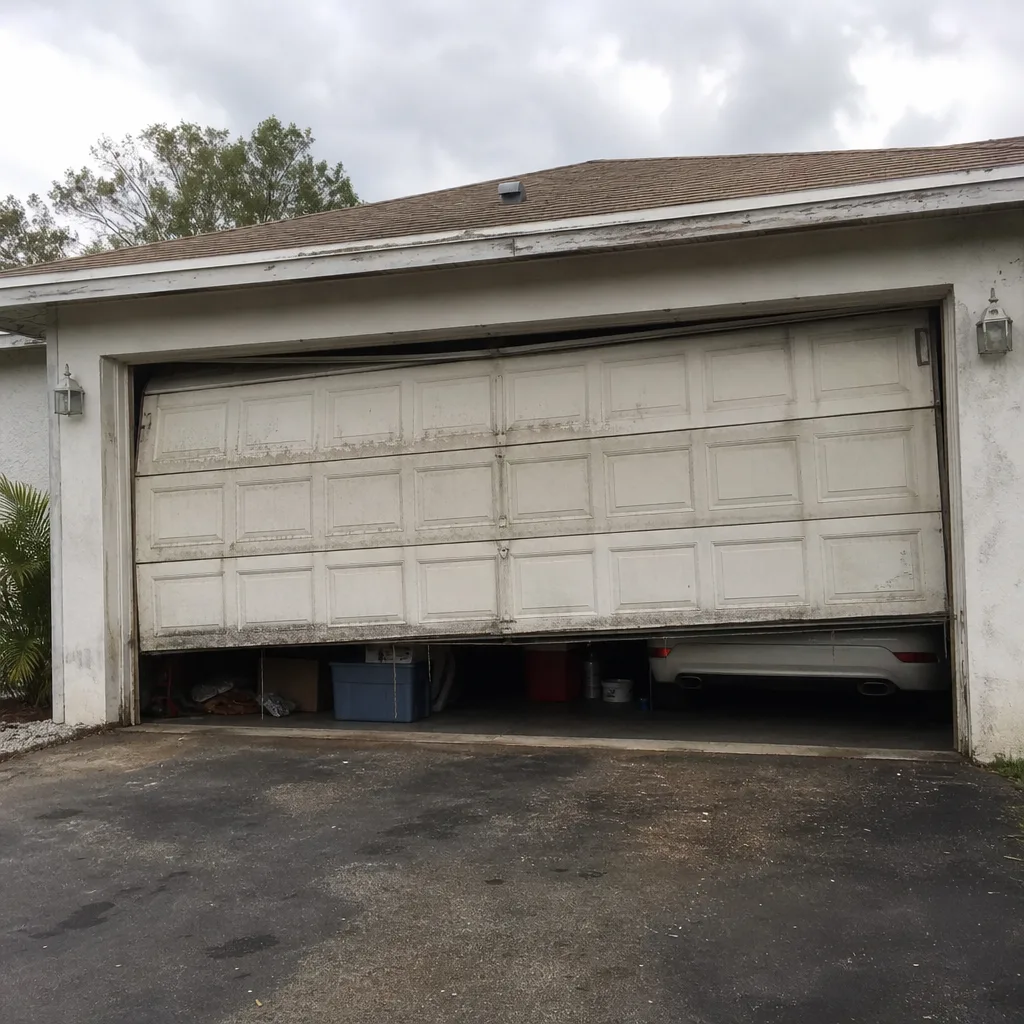 Before
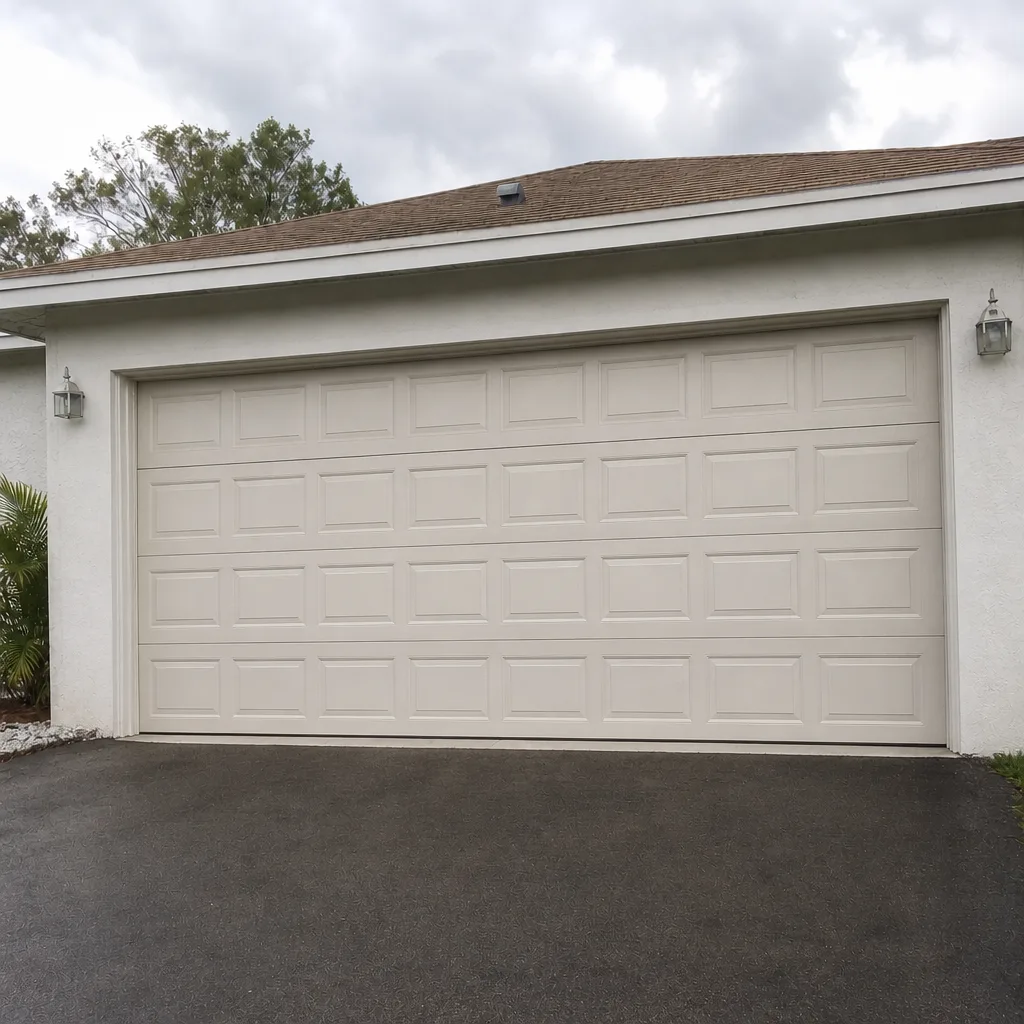 After
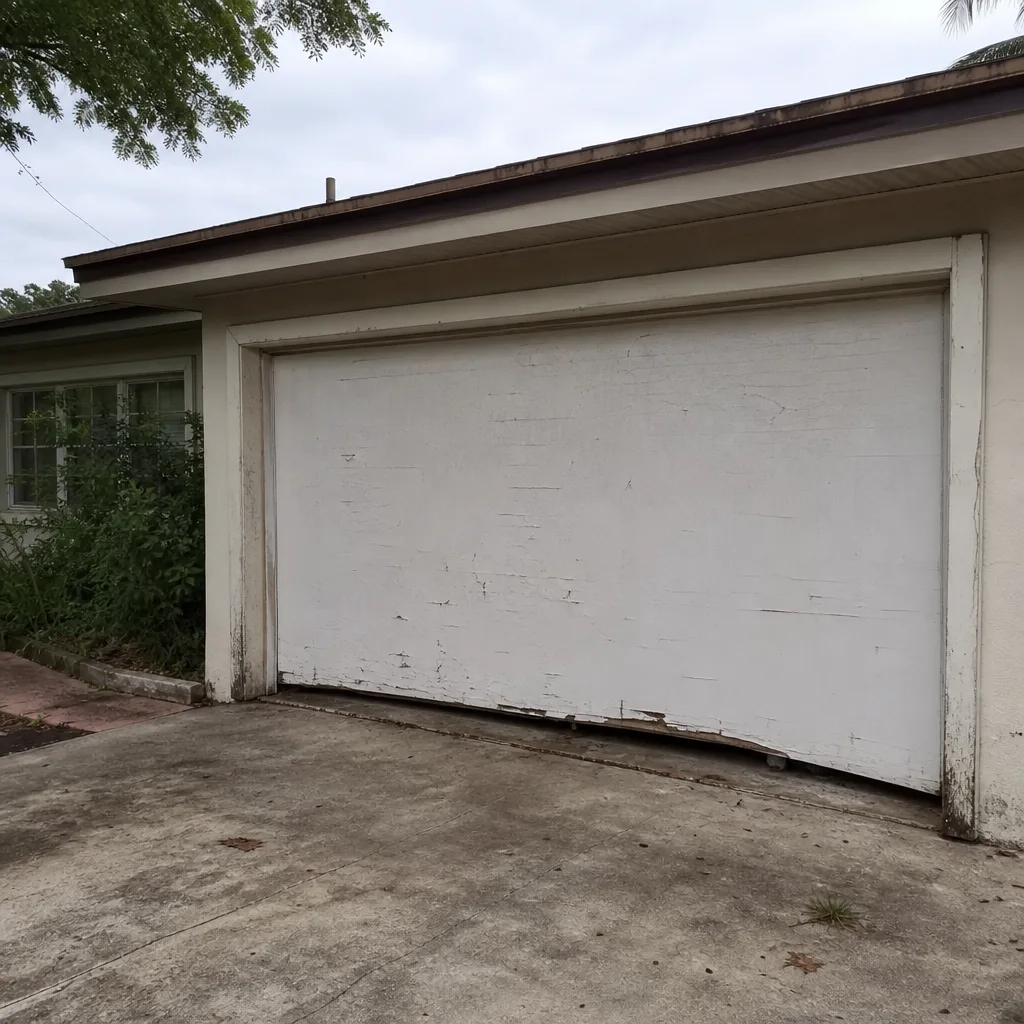 Before
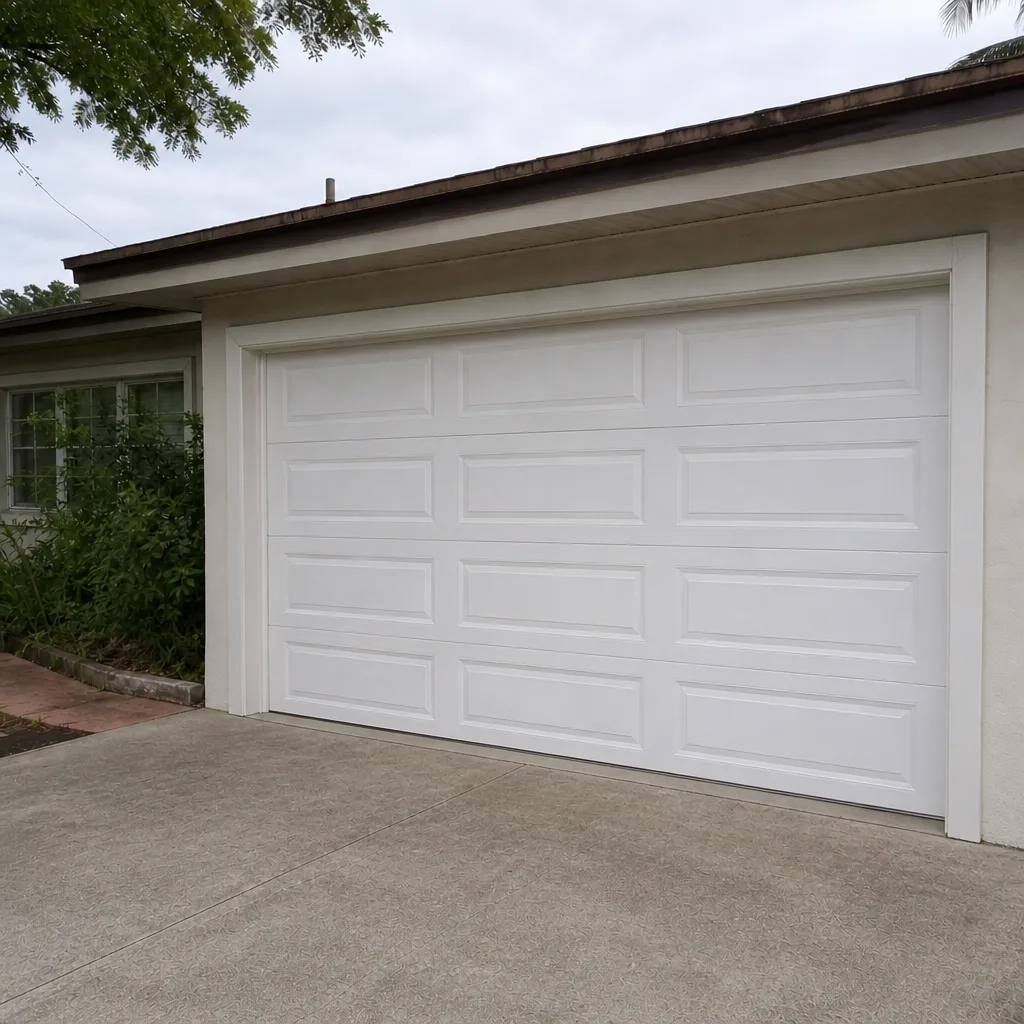 After
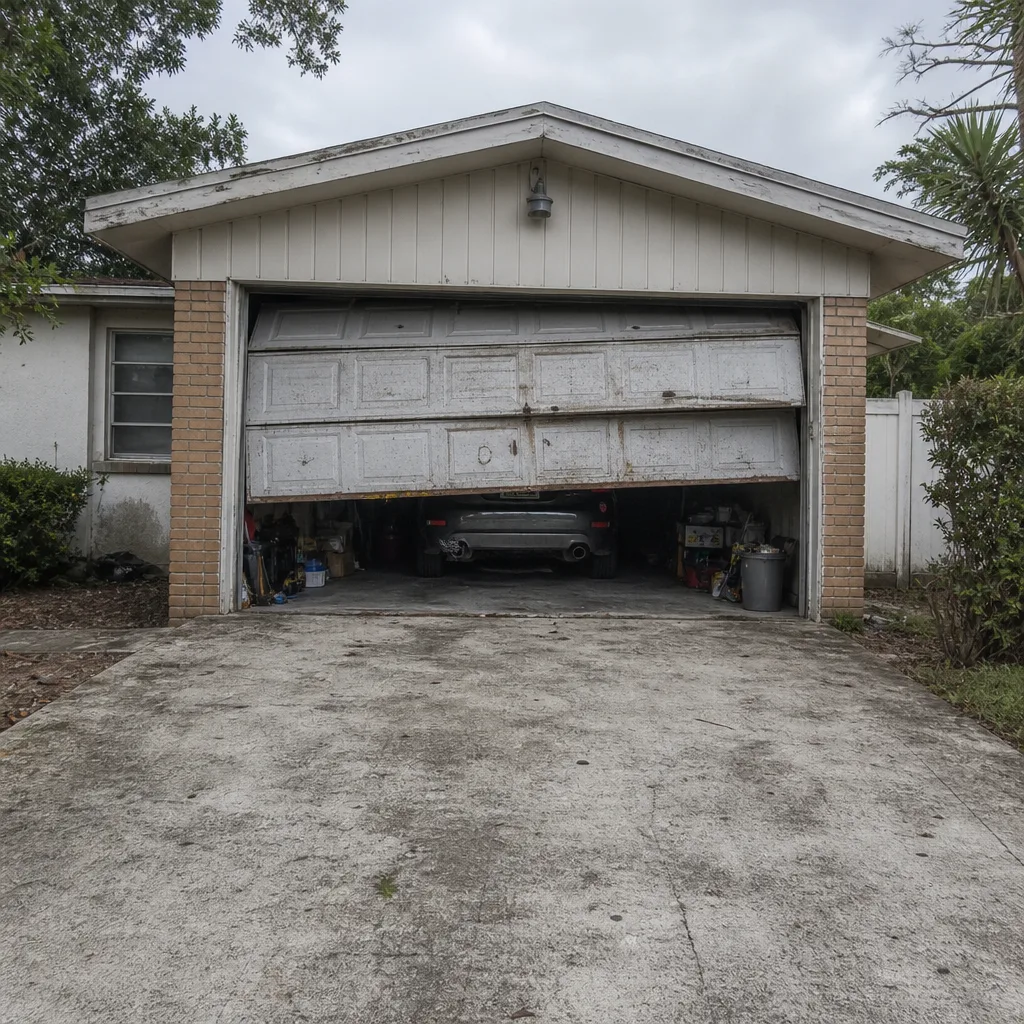 Before
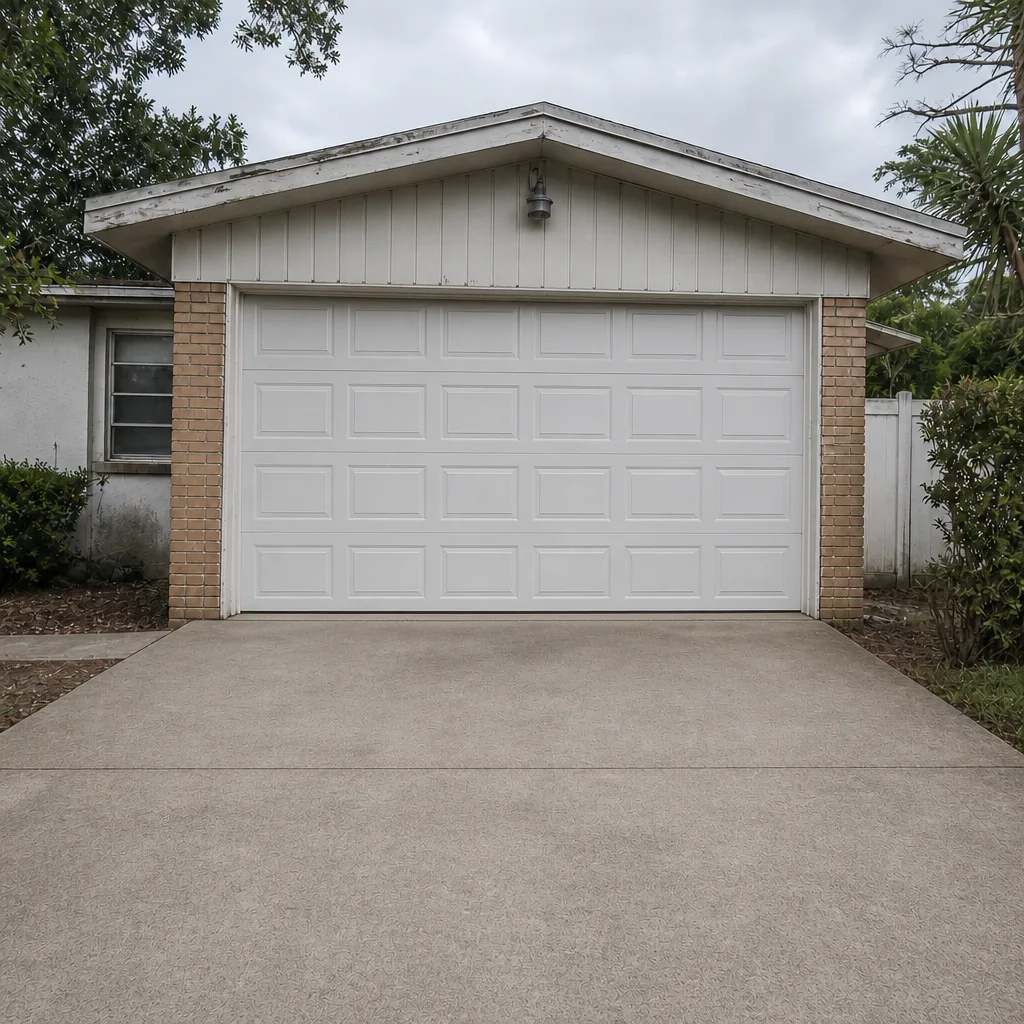 After
When to Call a Professional
Call a professional when you see or hear anything that suggests a spring, cable, track, or opener problem – a loud pop followed by a stuck door, a door that drops quickly when lifted by hand, visible slack in a cable, a side track that’s bent, or a garage door that reverses unexpectedly. Call before you cycle a damaged door repeatedly, because repeated cycles make minor damage worse. Also call for anything involving the electrical panel or wiring to the opener, for any missing or broken wind-load hardware, and for a full pre-hurricane inspection if you haven’t had one this year. If you’re not sure whether a sound or symptom warrants a visit, ask – a quick conversation often tells you. Hollywood Garage Door Repair Pros offers free estimates in Hollywood – call (877) 792-6497.
Frequently Asked Questions
Schedule two main inspections a year: one in April or May, before hurricane season opens on June 1, to check wind-load hardware, bottom seals, and the emergency release; and one in December or January, during the dry season, to check springs, cables, and overall alignment. If either inspection turns up a problem, fix it in that window rather than waiting. Calling in April gives you time to address anything before storm season arrives. Call (877) 792-6497 for a free estimate.
Yes. Garage interiors in Hollywood frequently get well above outdoor temperatures in summer, and openers mounted on a garage ceiling in that heat work harder than the manufacturer’s test conditions assumed. Heat speeds up wear on plastic gears, stresses logic boards, and thins lubricant so it migrates off moving parts. Watch for a unit that disconnects from Wi-Fi repeatedly, hesitates at the start of a cycle, or feels too hot to touch after a cycle. Call (877) 792-6497 for an exact quote if your opener is showing any of these signs – estimates are free.
Check five things before June 1: wind-load hardware (brackets, hinges, reinforcement plates) for loose or rusted fasteners; the bottom seal for cracks and gaps; the emergency release by pulling it with the door closed and confirming the door disengages and re-engages; the panel and track alignment by sighting along the door edges; and the door’s balance by disconnecting the opener and lifting by hand. Do the checks in April or May, not when a storm is forecast. Call (877) 792-6497 for a professional pre-season inspection – estimates are free.
The clearest sign is a single loud pop followed by the door no longer lifting under opener power, which usually means a torsion spring has broken. Other signs include visible gaps in the spring coil, rust on the spring surface, a door that feels very heavy when lifted by hand, or a door that slams down when released halfway. Check springs during the dry winter window when conditions are stable. Never attempt to adjust or replace a spring yourself – call (877) 792-6497 for a free estimate.
Use lithium- or silicone-based grease on roller stems, hinges, torsion shaft bearings, and track curves during the hot wet months from June through November, when a lighter spray would migrate off too quickly. In the dry winter, lighter silicone spray on hinges, rollers, and pivot points is fine. Never lubricate the tracks themselves – clean them with a damp cloth and leave them dry. Match your choice to your door’s components, and check the owner’s manual for your specific system. Call (877) 792-6497 if you want a technician to walk you through it – estimates are free.
Look before you touch. Inspect spring and cable condition from a safe distance with the door closed – if anything looks broken or slack, don’t run the door. Check panels for impact damage, sight along both vertical tracks for alignment, and look at hardware for corrosion. If everything looks sound, disconnect the opener and lift the door by hand once to confirm it moves properly before re-engaging. Call (877) 792-6497 for a post-storm assessment if anything seems off – estimates are free.
The Bottom Line
Hollywood’s climate runs on a different calendar than the rest of the country, and the maintenance your garage door needs should follow that calendar, not the generic spring-and-fall checklist in most online guides. Three phases cover it: the April-May pre-hurricane season window when wind-load hardware, bottom seals, and the emergency release get checked; the hot wet months from June through November when opener heat issues and seal wear dominate; and the dry December-to-February window that’s ideal for spring and cable inspection. Matching lubricant to the season and knowing what to look for (not what to do yourself with springs and cables) covers the rest. When something needs professional attention, our team handles it. When your door won’t move, we will. Eight brands. One call – and our technicians have up to 12 years of experience across LiftMaster, Chamberlain, Genie, Craftsman, and the rest of the systems installed across Hollywood homes.
If anything in this guide has you second-guessing your own door’s condition – a spring that looks off, a seal that’s split, an opener that’s been struggling in the heat – the fastest move is to get a professional eye on it. Whether the job is routine garage door repair, a full garage door installation if replacement makes more sense than repair, or a frank talk about the year-round care your specific door needs, call Hollywood Garage Door Repair Pros at (877) 792-6497 for a free estimate. We work on the brand already in your garage, from opener to overhead door. Reach out through Hollywood Garage Door Repair Pros or just call – a quick conversation about what you’re seeing often tells us whether it’s a small fix or one worth scheduling a visit for, and it costs nothing to find out.
Written by the team at Hollywood Garage Door Repair Pros.