Last updated November 21, 2026
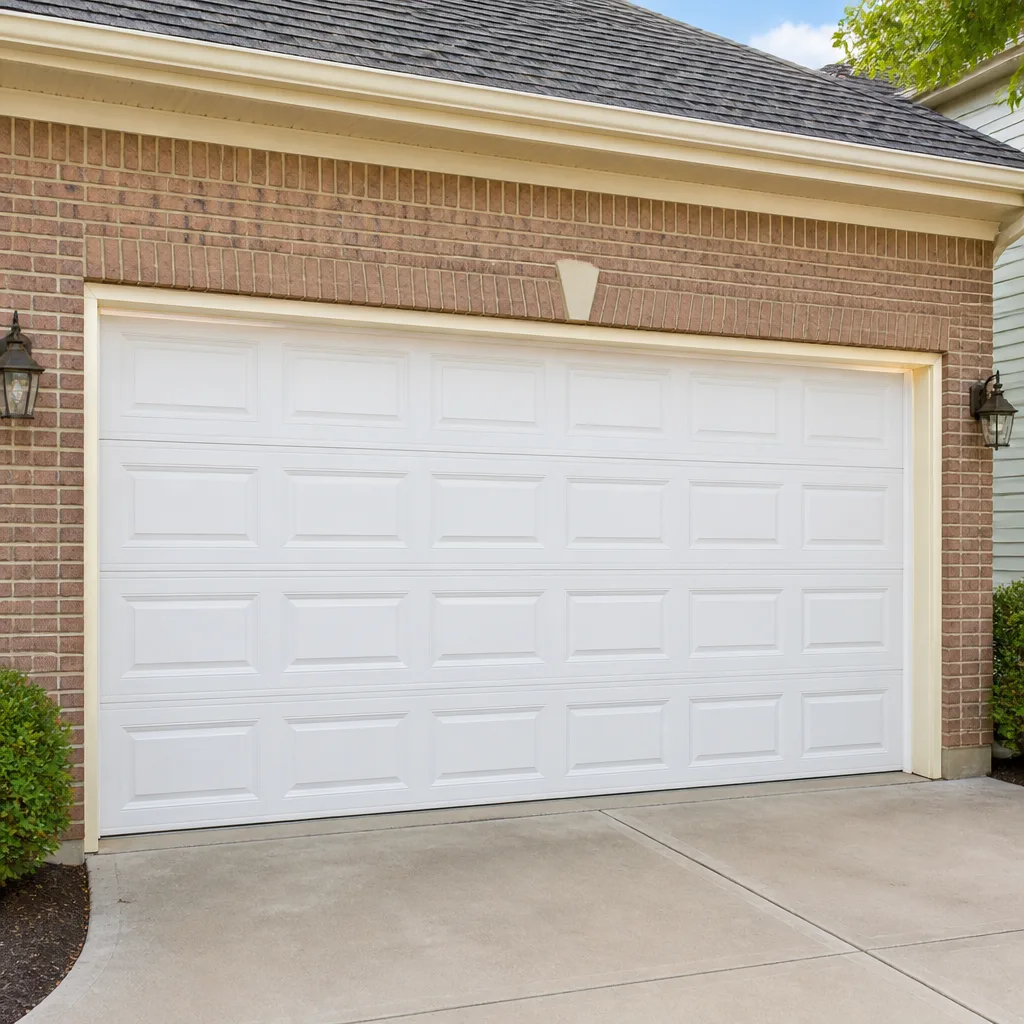 Raised-panel steel
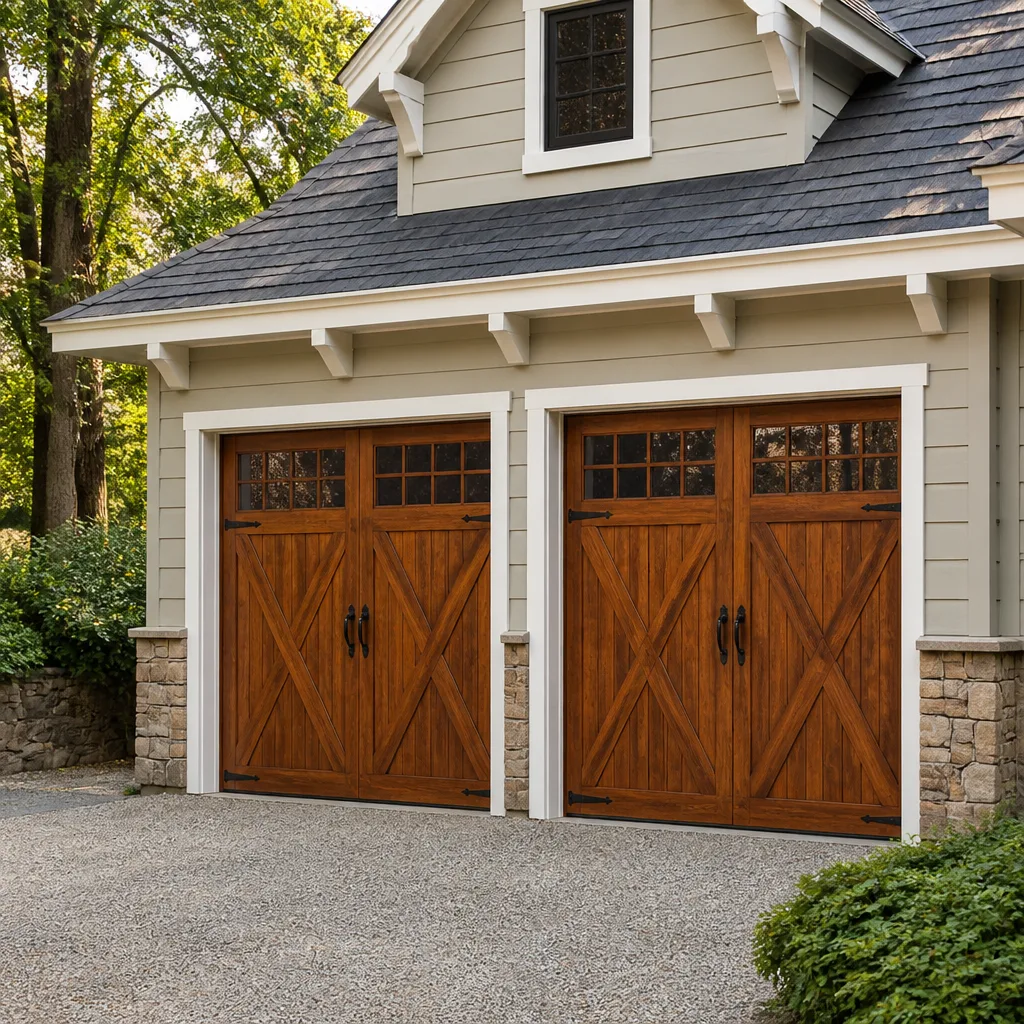 Carriage house
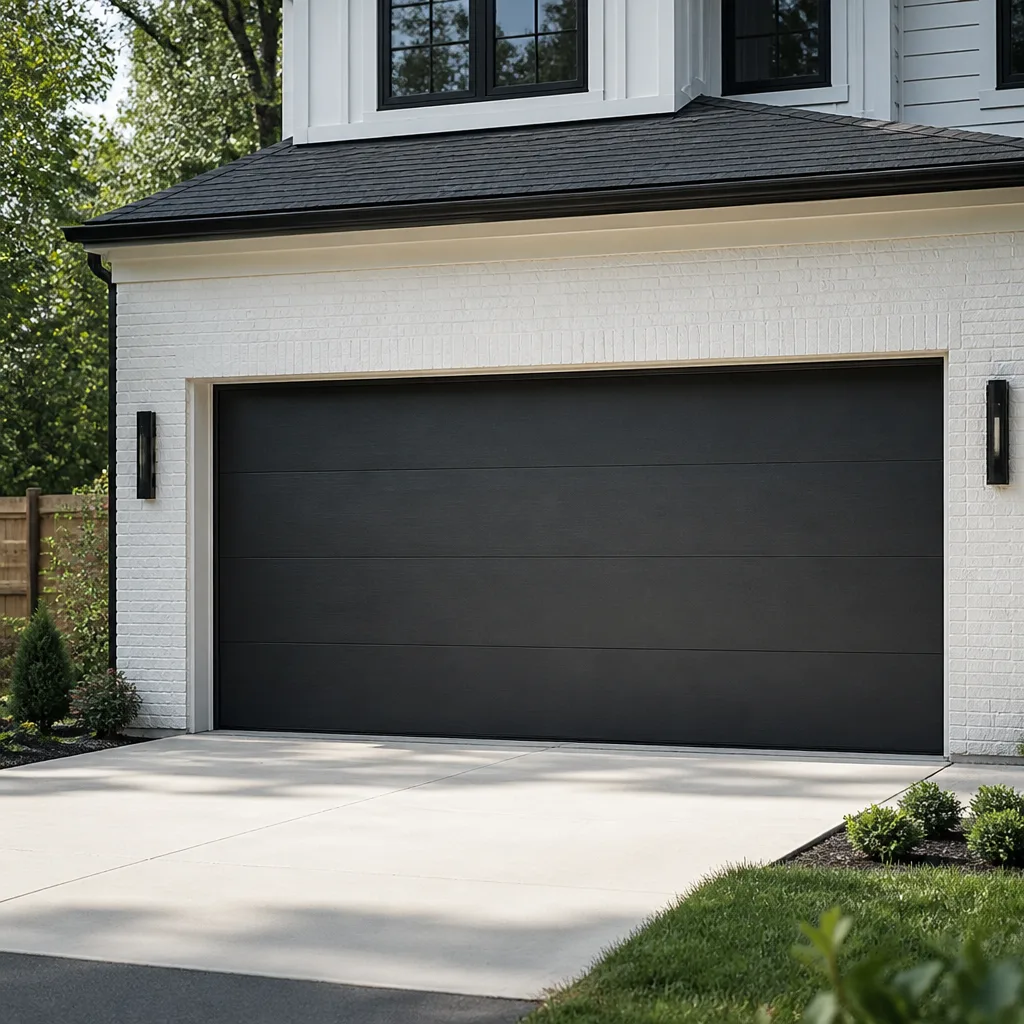 Modern flush
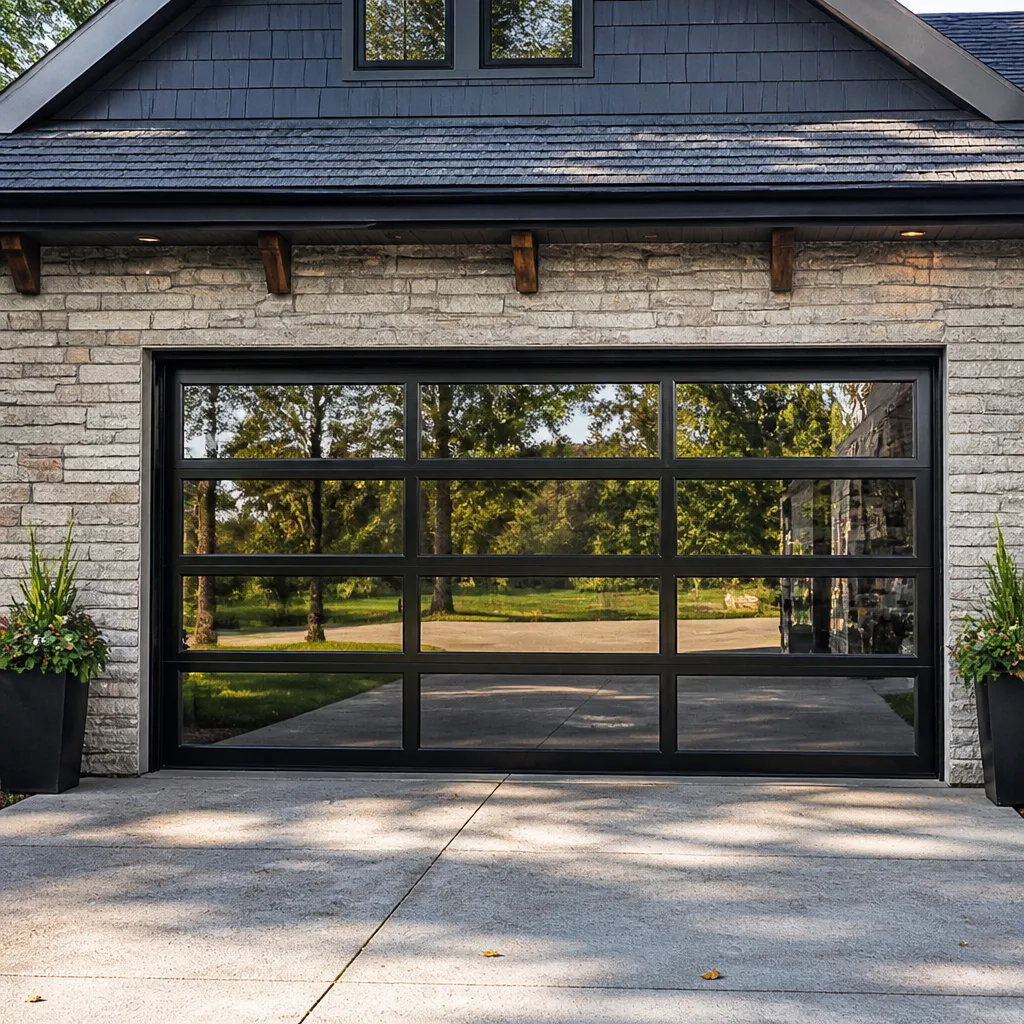 Full-view glass
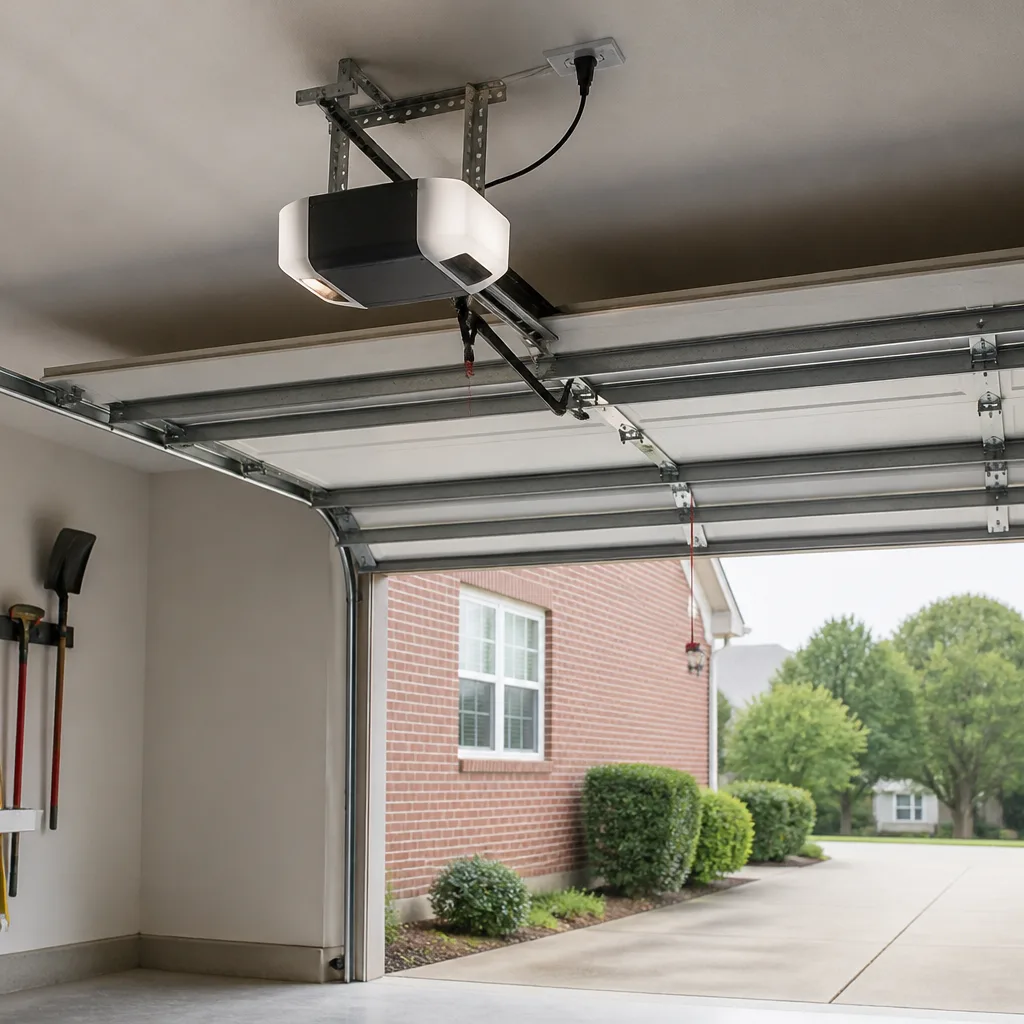 LiftMaster openers
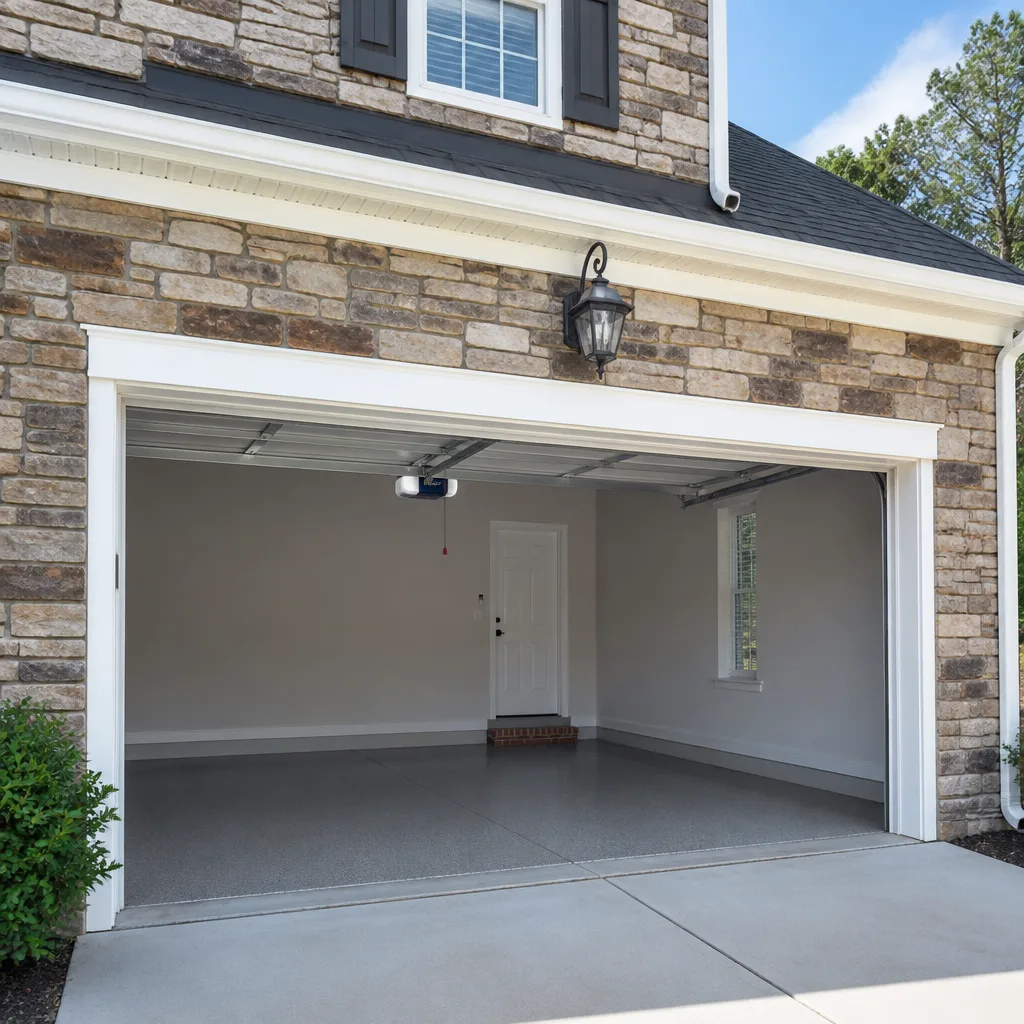 Chamberlain openers
Full 25-point door and opener safety check with every visit - springs, cables, rollers, tracks, and your LiftMaster or Chamberlain opener included
You get a price before we start. It does not change when the pro arrives.
Get your free estimateThe Complete Guide to Garage Doors in Hollywood
Most garage door guides are written for places where rust is a footnote and wind ratings are an afterthought. Hollywood isn’t one of those places. Here, the air carries salt from two coastlines, the building code answers to hurricane wind loads, and a large share of the housing stock sits inside planned communities with their own rules about what a door can look like. A door that would last two decades in a dry climate can show rust and panel fatigue far sooner here if it’s the wrong spec. This guide walks through every decision a Hollywood homeowner actually faces: material choice, code compliance, HOA paperwork, opener matching, and how to judge whether the door you have is worth repairing or ready to replace.
Quick Answer
In Hollywood, FL, a garage door has to satisfy three things at once: it must be rated for the local wind-load requirements, it must survive constant humidity and salt exposure, and in many neighborhoods it must match HOA design rules. Steel with a proper galvanized and painted finish is the most common choice, aluminum and fiberglass do better against corrosion, and any hurricane-rated door needs rated hardware and a compatible opener, not just stronger panels. Knowing those three layers is the difference between a door that lasts five years and one that lasts twenty.
Styles & brands we work with
- Raised-panel steel
- Carriage house
- Modern flush
- Full-view glass
- LiftMaster openers
- Chamberlain openers
Table of Contents
- Why Garage Doors Age Differently in Hollywood
- How Wind-Load Code Affects What You Can Install
- Steel vs. Aluminum vs. Fiberglass: A Coastal Comparison
- HOA Compliance and the Paperwork Your Installer Must Provide
- Why Hurricane-Rated Doors Need Rated Hardware and the Right Opener
- Repair or Replace? Judging a Door’s Remaining Life
- Springs, Cables, and the Repairs You Should Never Attempt
- A Maintenance Routine That Fits This Climate
Why Garage Doors Age Differently in Hollywood
Hollywood sits between the Atlantic and the Everglades, and that position does two things to a garage door. First, the humidity rarely lets up. Metal hardware, hinges, rollers, and the bottom of every steel panel stay damp for much of the year, and moisture that never fully dries is what starts corrosion. Second, the air carries salt inland from the coast, and salt doesn’t need direct ocean spray to do damage. It settles on the door, combines with moisture, and eats into fasteners and panel seams long before the paint shows an obvious problem.
What makes Hollywood different from a lot of South Florida is how much of its housing was built inside planned communities. Neighborhoods across the city are governed by HOAs with design standards, and those standards sit on top of county code rather than replacing it. So a homeowner here isn’t choosing a door in a vacuum. They’re choosing a door that has to pass wind-load requirements, survive the local climate, and satisfy an architectural committee.
We see the results of getting any one of those wrong. A door installed to the wrong wind rating gets flagged at sale or inspection. A door chosen for looks over material gets replaced early because the hardware rusted out. And a door that ignores HOA rules can mean taking it back down. Keep reading and you’ll know how to avoid all three.
How Wind-Load Code Affects What You Can Install
Every garage door installed in Hollywood has to meet the wind-load requirements that apply to its specific location, and those requirements are set by the Florida Building Code and enforced through Broward County and the City of Hollywood’s building department. The exact design pressure a door must handle depends on where the home sits, its exposure, and the door’s size. That’s not something a homeowner needs to calculate, but it is something they need to confirm before buying.
Here’s the practical part most guides skip: the wind rating isn’t only about the door panel. A hurricane-rated door is a system. The panels, the tracks, the reinforcement struts, the hinges, and the anchors all have to be rated to work together at the required design pressure. A door sold as “wind-rated” with standard hinges and light-duty tracks doesn’t meet the rated assembly.
- Confirm the required design pressure for your address. Your installer should be able to tell you what applies, or you can ask the City of Hollywood building department directly.
- Match the door to a rated system, not just a rated panel. Ask for the manufacturer’s evaluation report or product approval showing the assembly is rated as installed.
- Check the opener. Some rated doors need a specific opener or reinforcement to keep the rating valid.
- Get the permit. Most door replacements require one, and the inspection confirms the installation matches the approved product.
If you’re unsure whether your current door is compliant, a garage door repair visit is a good time to check the label and hardware. A trained technician can tell you whether the door in place matches what the code expects.
Steel vs. Aluminum vs. Fiberglass: A Coastal Comparison
Material choice is the single biggest factor in how long a door lasts in Hollywood. The three common options behave very differently under constant humidity and salt exposure, and the cheapest door up front is often the most expensive over time. Here’s how they compare on the things that matter here.
| Material | Corrosion Resistance | Dent Resistance | Weight & Opener Load | Best Fit in Hollywood |
|---|---|---|---|---|
| Steel (galvanized, painted) | Moderate – depends on finish quality and seam sealing | High | Moderate | Most homes, if the finish and hardware are rated for coastal exposure |
| Aluminum | High – naturally resists rust | Low – dents more easily | Light | Salt-exposed homes and anyone prioritizing corrosion life |
| Fiberglass | High – won’t rust | Moderate | Light to moderate | Lower-maintenance doors where weight matters |
The takeaway: steel is fine, but only if it’s properly galvanized and painted and the hardware is corrosion-resistant. Skip the cheap steel with standard fasteners and it’ll rust at the seams within a few seasons in Hollywood. Aluminum costs a bit more up front and resists corrosion far better. Fiberglass avoids rust entirely and stays light, which eases strain on the opener.
Brand matters less than spec, but it matters. Clopay and Amarr both publish wind ratings and material options clearly, which makes comparing doors easier. We work on whatever brand is already in your garage, so this decision is yours to make on material, not on which manufacturer we’ll service.
HOA Compliance and the Paperwork Your Installer Must Provide
A large share of Hollywood homes sit inside planned communities, and most of those have architectural review rules covering door color, panel style, window placement, and sometimes material. Replacing a door without HOA approval can mean taking it down and starting over, so the HOA conversation comes first.
Before you buy, gather the documentation the committee will ask for. In our experience the list usually looks like this:
- A product spec sheet with the exact model, color, and material
- The manufacturer’s wind-rating or product approval document
- A drawing or photo of the door style and how it fits the home’s elevation
- The contractor’s license and proof of insurance for the install
- A signed HOA application form, if the community requires one
The key point: get the HOA approval before the door is ordered, not after it arrives. Custom doors can’t be returned easily once they’re built to your color and size. A good installer will hand you the spec sheet and rating document so you can submit them with your application, and will work with your review timeline. When you’re ready to move, our garage door installation team can provide the documentation your community needs and time the install to your approval.
Why Hurricane-Rated Doors Need Rated Hardware and the Right Opener
Here’s the mistake that costs homeowners money: buying a hurricane-rated door panel and assuming the job is done. It isn’t. The rating applies to the whole assembly, and the hardware and opener are part of that assembly. Standard hinges, light tracks, or an underpowered opener can void the rating just as surely as a non-rated panel.
What a rated installation includes differs by door, but you should expect some combination of reinforced hinges, heavier tracks, and one or more horizontal reinforcement struts across the panels. The manufacturer’s instructions specify exactly which hardware goes with which door, and the installer has to follow them.
The opener matters too. A heavier rated door loaded with struts needs an opener with enough lifting capacity, and it may need a specific rail or reinforcement. Modern openers from LiftMaster, Chamberlain, Genie, and Craftsman are all capable of handling a rated door when matched correctly, and the smart-home-integrated models from those brands work fine as long as the opener is sized for the door. If the opener is wrong, you get a door that strains, stalls, or fails the safety reverse test. If your opener is the weak link, garage door opener repair or a matched replacement keeps the whole system compliant.
Repair or Replace? Judging a Door’s Remaining Life
The most common question we get from Hollywood homeowners is whether to fix the door they have or start fresh. In this climate, the answer usually comes down to the condition of the panels and the hardware, not the age on paper. A door that’s twenty years old but well-sealed and rust-free can outlast a ten-year-old door that was installed with cheap fasteners.
Work through these questions in order:
- Are the panels structurally sound? Look for rust along the bottom edge, separation at the seams, and dents that have deformed the panel. Rust at the very bottom is common here and is often the first sign of a door nearing the end.
- Is the hardware intact? Hinges, rollers, and the bottom bracket are the first parts to corrode. If two or three are failing, the rest are close behind.
- Does the door still meet code? An older door may not carry a current wind rating. If it doesn’t, replacement is often the only path to compliance.
- Can a repair keep it running safely? A single spring, a bent track, a failed opener, or a snapped cable is a repair, not a replacement. Those are routine jobs.
- Is the cost of repair approaching the cost of a new door? When multiple systems are failing at once, replacement usually makes more financial sense than piecemeal fixes.
When in doubt, get a technician to look at it. A quick assessment of panel condition, hardware, and rating tells you whether you’re spending on a repair or putting money into a door that’s already done.
Springs, Cables, and the Repairs You Should Never Attempt
Springs are the most dangerous part of any garage door, and in Hollywood’s humidity they corrode faster than the panels do. A torsion spring under tension stores an enormous amount of energy. When one fails, it releases all at once, and the sound alone tells you it’s not a job for a Saturday project.
The two spring types behave differently. Torsion springs mount on a shaft above the door and handle the door’s weight through cables and drums. Extension springs run along the horizontal tracks on either side. Both are under heavy load, and both are dangerous to touch without the right tools and training. Cables are under similar tension, and a snapped cable can whip with enough force to cause serious injury.
This is where we’d rather be blunt: don’t attempt spring or cable work yourself. The risk isn’t worth it, and a botched repair can leave the door in a more dangerous state than when it started. Our technicians handle torsion and extension spring work regularly and replace matched pairs together, because a spring that’s failed usually has a partner that’s close behind.
A broken spring is also a repair, not a replacement. In most cases the door panels and hardware are fine, and the job is a spring swap done correctly. Same goes for a door that’s off its track or an opener that’s stopped responding. These are the emergencies we take on because a door that won’t move leaves a home open or a car trapped.
A Maintenance Routine That Fits This Climate
Garage doors don’t need much, but the few things they do need matter more here than in most places. A short routine, done a few times a year, catches the corrosion and wear that this climate accelerates before they turn into full repairs.
- Wash the door every few months. Rinse off the salt film that settles on the panels, and dry the bottom edge where moisture collects.
- Lubricate the moving parts. A garage door lubricant on the hinges, rollers, and springs keeps them moving smoothly and pushes back against rust. Avoid heavy grease that traps grit.
- Check the hardware. Look at hinges, fasteners, and the bottom bracket for rust and looseness. Replace hardware that’s failing before it takes the door with it.
- Test the safety reverse. Put a small object in the door’s path and confirm it reverses. If it doesn’t, that’s an opener problem worth a look.
- Watch the balance. A door that feels heavy or won’t stay at the halfway point has a spring or balance issue and needs a technician.
None of this is complicated. The homeowners who do it get years more out of their doors than the ones who don’t.
Common Mistakes to Avoid
- Buying on looks alone. A door that wins the HOA approval but uses standard fasteners and thin steel will rust at the seams within a few seasons in Hollywood. Match the material and hardware to the climate first.
- Skipping the wind-rating check. Installing a door without confirming it meets the local design pressure can mean failing inspection and re-doing the job. Confirm the rating before you order.
- Ordering before HOA approval. A custom door built to the wrong color or style usually can’t be returned. Get the architectural committee’s sign-off first.
- Replacing a rated door with a non-rated one. It looks like a good deal until an inspection or a sale flags it. Keep the rating consistent with what the home requires.
- Attempting spring or cable work yourself. These parts store dangerous energy and fail suddenly. Leave them to trained technicians.
- Ignoring the opener when the door gets heavier. A rated door with struts weighs more, and an undersized opener will strain and eventually fail. Size the opener to the door.
- Letting small rust turn into a full replacement. A quick wash and a hardware check catches corrosion early. Homeowners who ignore it end up replacing panels they could have saved.
See the difference
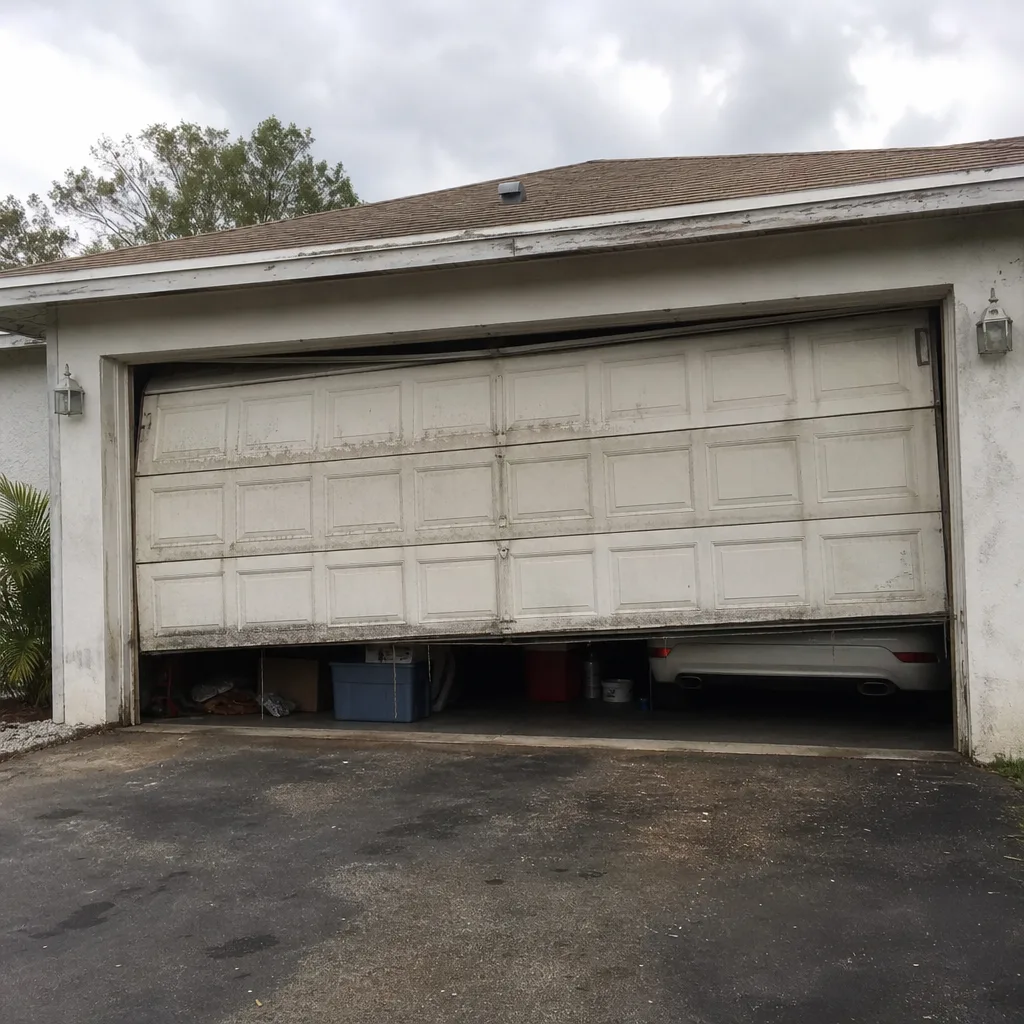 Before
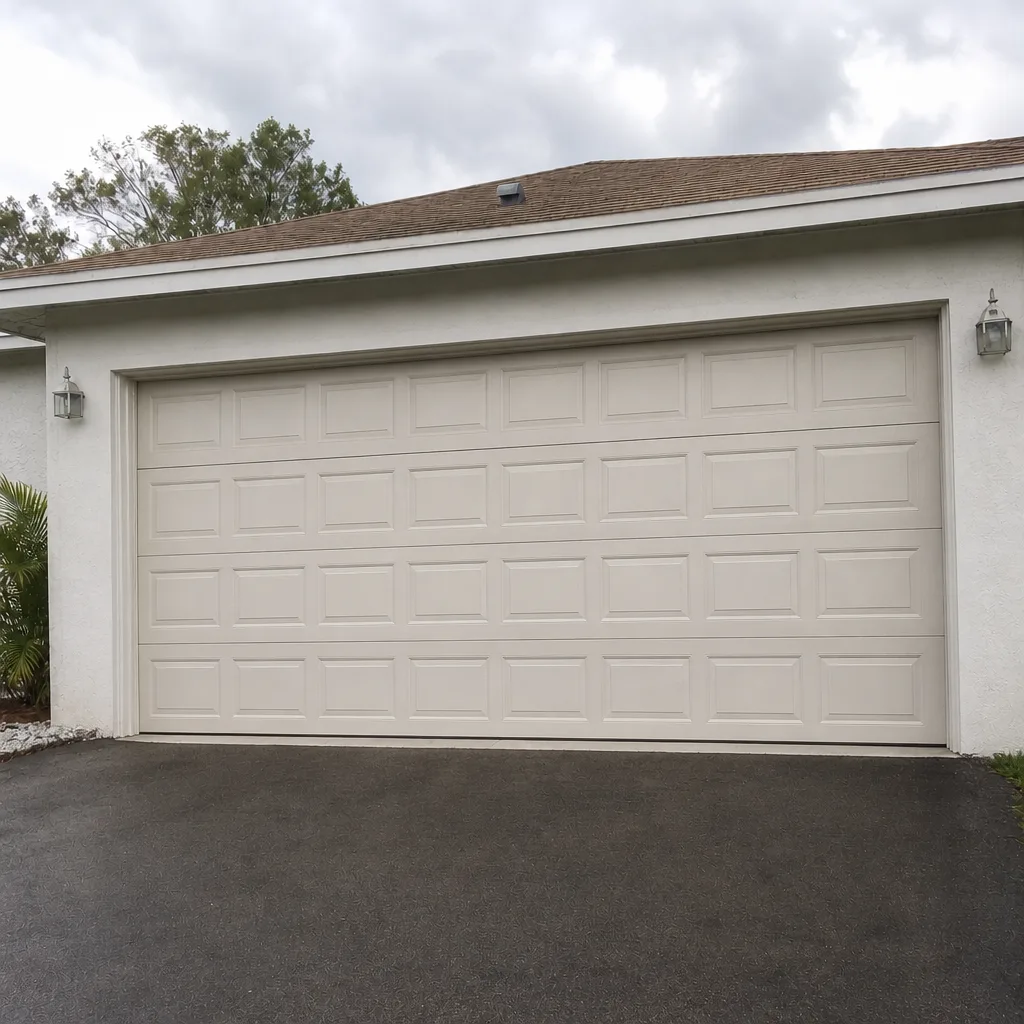 After
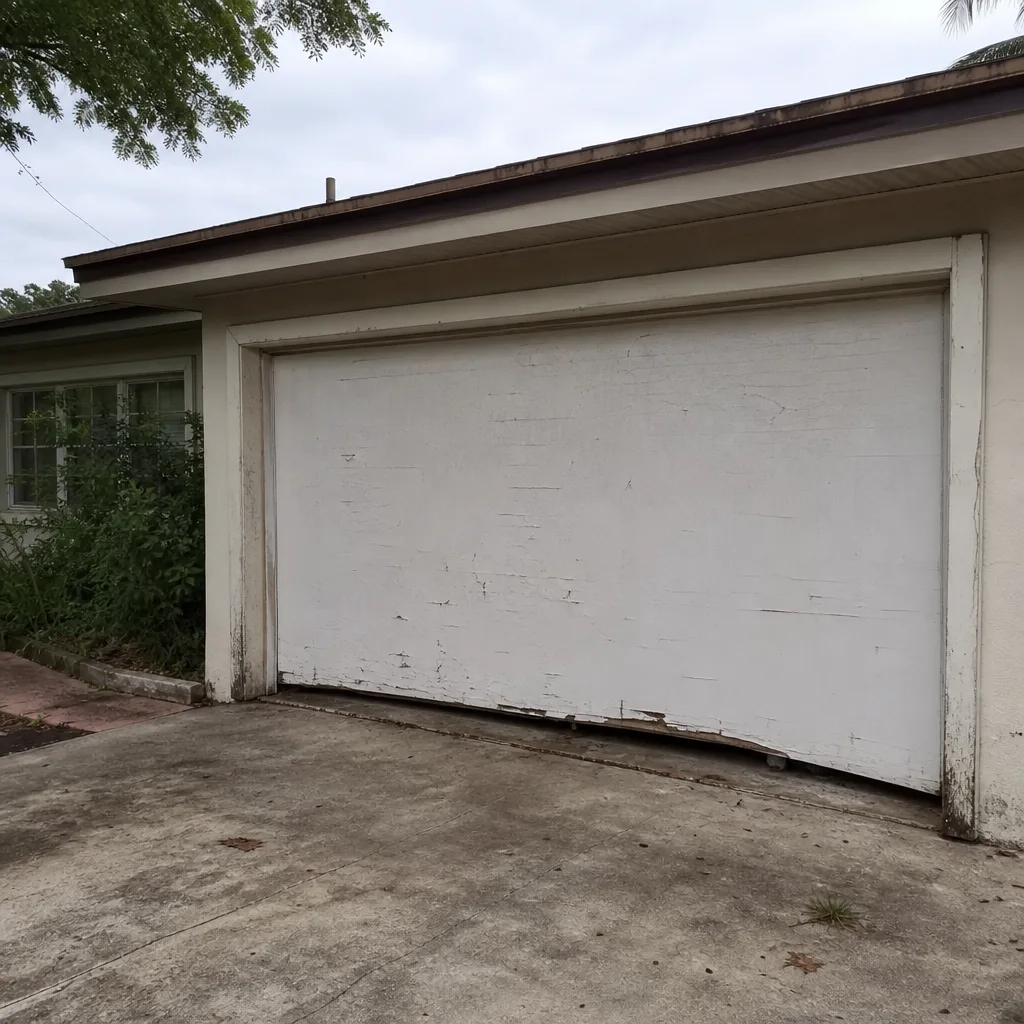 Before
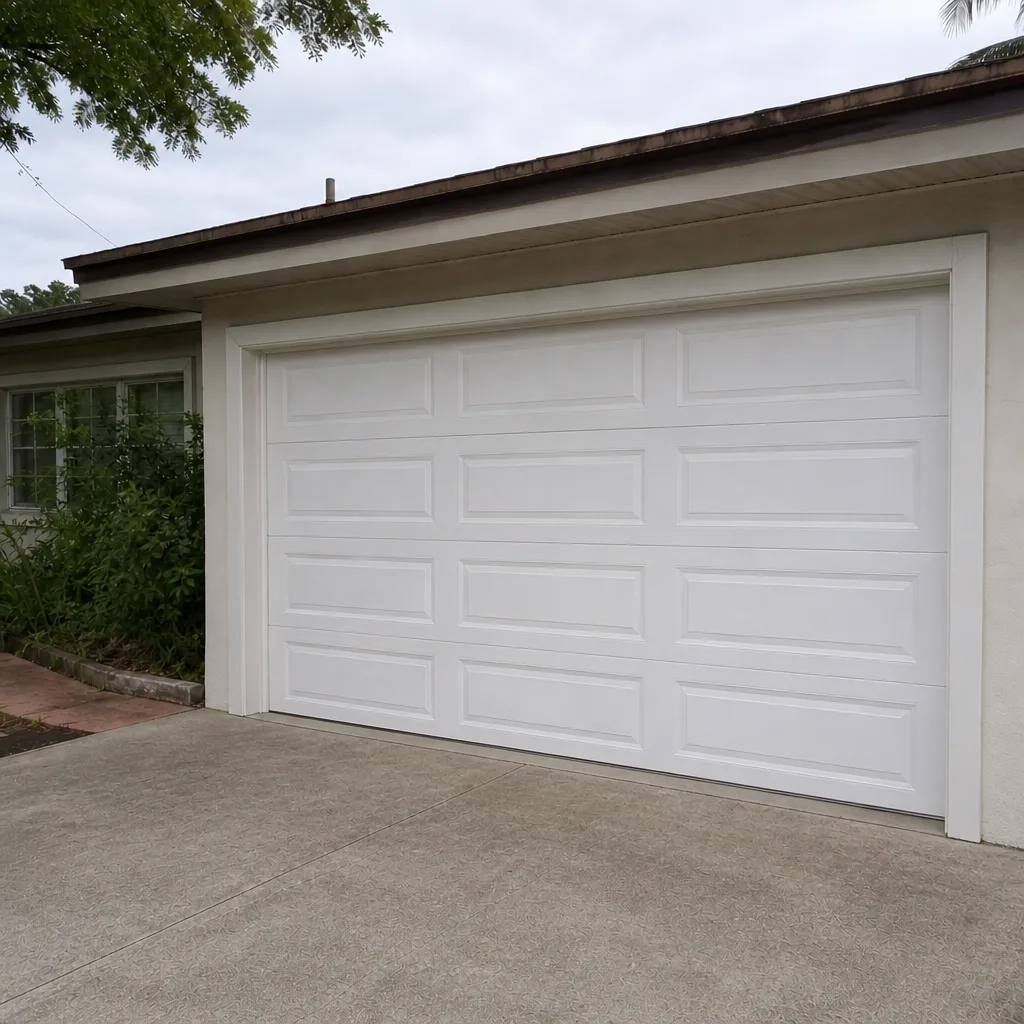 After
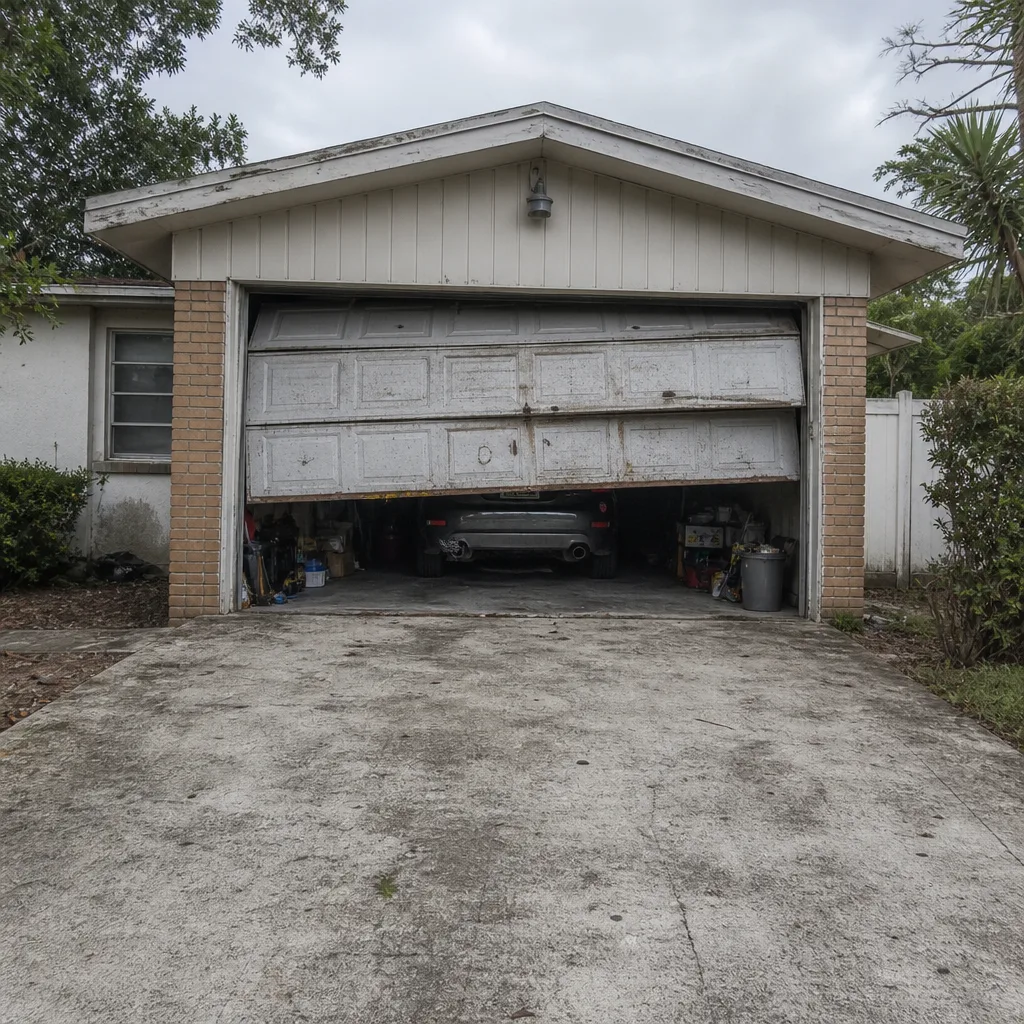 Before
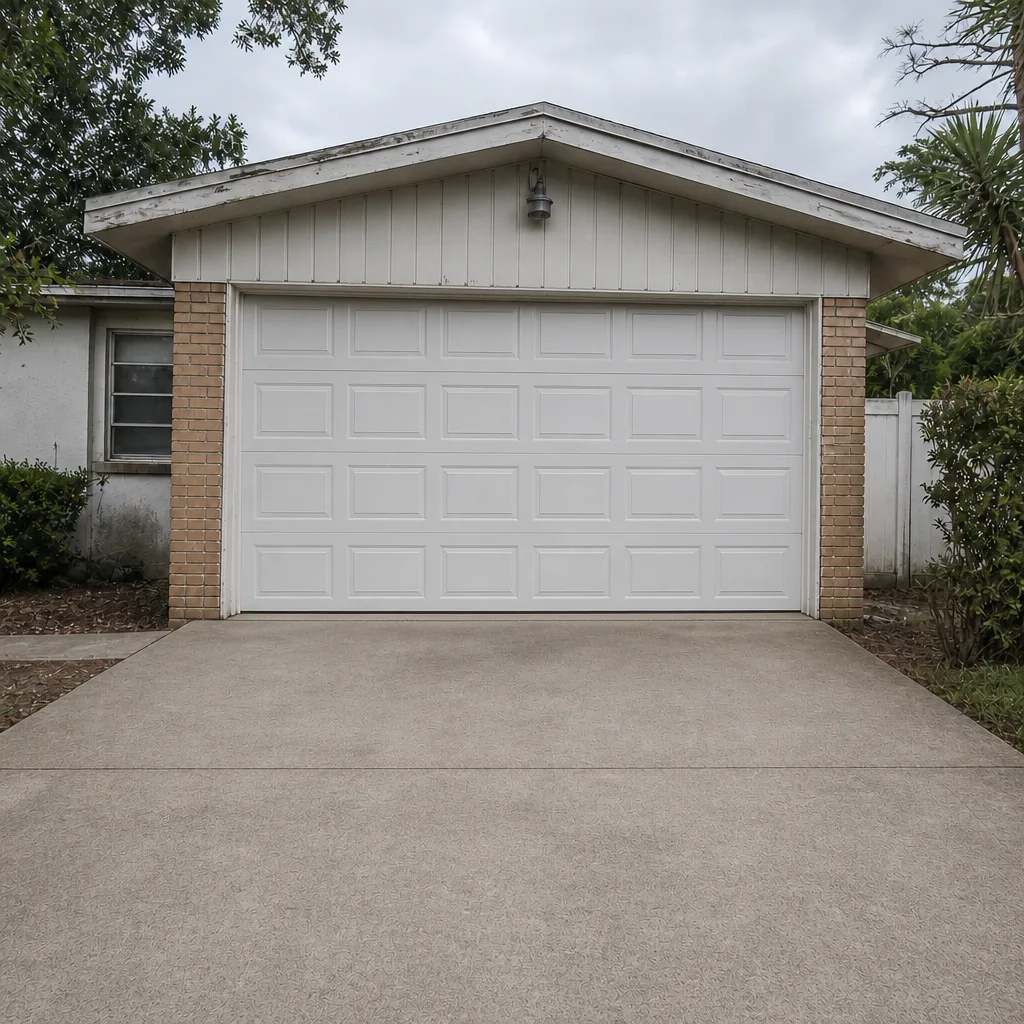 After
When to Call a Professional
Some jobs are DIY-friendly, like washing the door and lubricating the hinges. Others aren’t. Call a professional when the door won’t open or close, when a spring has snapped, when the door is off its track, when the opener runs but the door doesn’t move, or when the safety reverse fails. Call if you’re unsure whether your current door meets the local wind rating, and call before you order a replacement if you want the spec and rating documents you’ll need for the HOA and the permit. Hollywood Garage Door Repair Pros offers free estimates in Hollywood. Call (877) 792-6497 and we’ll take a look, quote the work before anything starts, and confirm what your door actually needs.
Frequently Asked Questions
Most garage door repairs in Hollywood fall in the $150 to $450 range for common jobs like spring replacement, cable repair, or opener fixes. Torsion spring replacement for a single spring typically runs $180 to $340, and a matched pair costs about twice that because both springs are replaced together. Replacement doors are a separate budget. Every price is an estimate until we see the door, and the written quote you get before work starts is the price you pay. Call (877) 792-6497 for an exact quote.
Yes, most garage door replacements in Hollywood require a permit from the City of Hollywood building department, because the door has to meet wind-load code for your address. Ask your city’s building department to confirm the requirement for your specific home. The permit is part of the job, and the inspection confirms the door was installed to the approved product.
Aluminum and fiberglass resist corrosion best in Hollywood’s humidity and salt exposure. Steel is still the most common choice, but only when it has a quality galvanized finish and corrosion-resistant hardware. The wrong steel with cheap fasteners rusts at the seams within a few seasons.
We service eight of the most widely installed garage door and opener brands in the country: LiftMaster, Chamberlain, Genie, Clopay, Amarr, Wayne Dalton, Craftsman, and Raynor. That means we arrive familiar with whatever system is already in your garage. We don’t force a brand change, and we don’t push a replacement when a repair will do the job.
Yes. Emergency garage door service is a core offering, not an afterthought. If your door is stuck, off the track, or its opener has failed, we take those calls because a door that won’t move leaves your home open or your car trapped. Call (877) 792-6497 and we’ll get you sorted.
Check the door for a product approval label and look at the hardware. If it’s an older door with standard hinges and tracks, it may not meet a current wind rating. The City of Hollywood building department can tell you what applies to your address, and a technician can tell you whether the door in place matches it.
Frequently Asked Questions (continued)
A well-sealed steel door with corrosion-resistant hardware can last fifteen to twenty years in Hollywood, while a poorly finished one may show serious rust within five to ten. Aluminum and fiberglass generally last longer because they don’t rust. The finish and the hardware decide the outcome more than the age of the door.
Humidity and salt exposure accelerate corrosion on springs and cables, so they can fail sooner than in a dry climate. The good news is that as long as the door itself is sound, spring replacement is a routine repair, not a door replacement. Just don’t attempt the work yourself, because springs store dangerous energy and fail suddenly.
The Bottom Line
A garage door in Hollywood has to clear three bars most guides never mention: it must meet the wind-load code for your address, it must survive constant humidity and salt exposure, and in many neighborhoods it must satisfy HOA design rules. Get the material and hardware right and the door lasts decades. Get them wrong, or order before the HOA approves it, and the “deal” costs more than a good door would have. When the door misbehaves, springs and cables are professional work, and a genuine emergency deserves a real emergency service. When you’re planning a replacement, get the spec and rating documents first. That’s what separates a door that lasts five years from one that lasts twenty.
Hollywood Garage Door Repair Pros handles diagnosis, repair, and full installation under one company. We work on the brand already in your garage, quote the price before any work starts, and cover the whole system from opener to overhead door. Our technicians have up to 12 years of experience, and every job begins with a free estimate. When you’re ready, call (877) 792-6497 for a free estimate and a written quote before anything begins.
Written by the team at Hollywood Garage Door Repair Pros.