Last updated November 21, 2026
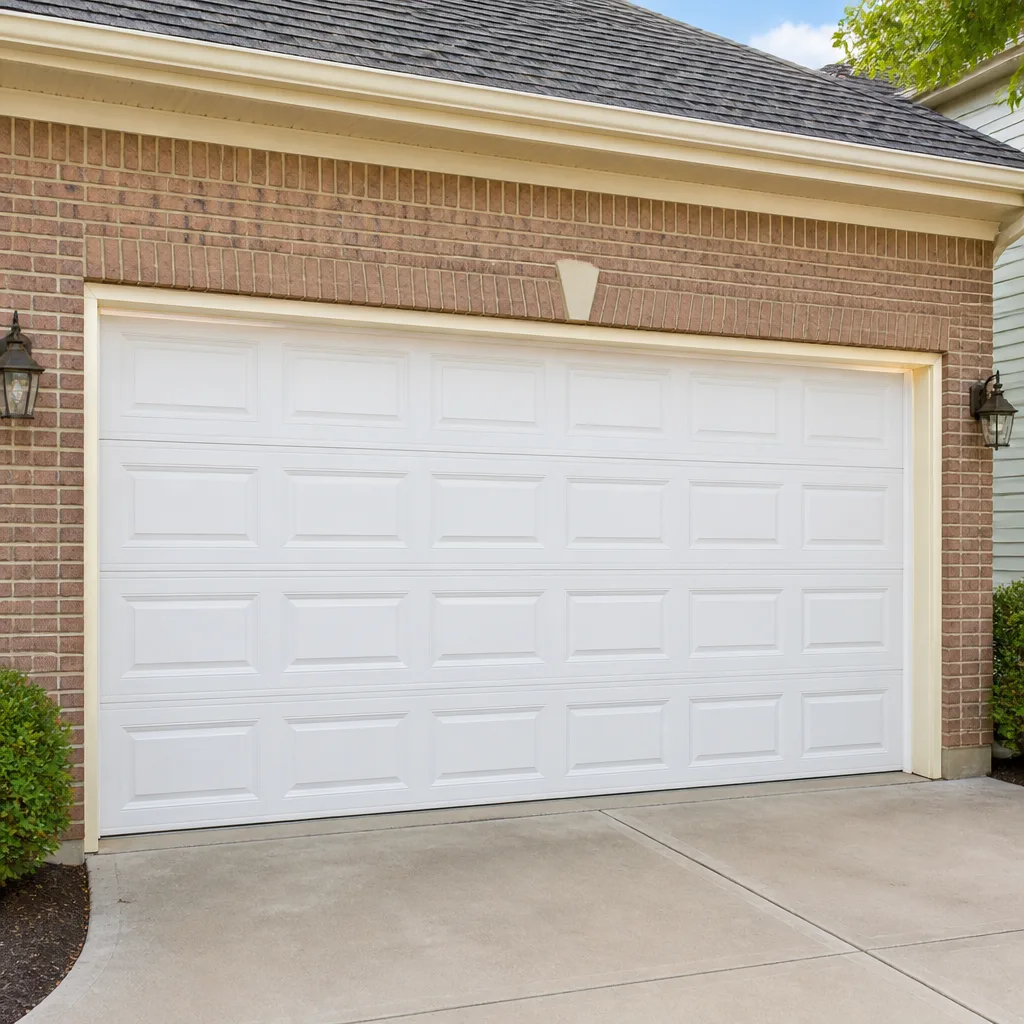 Raised-panel steel
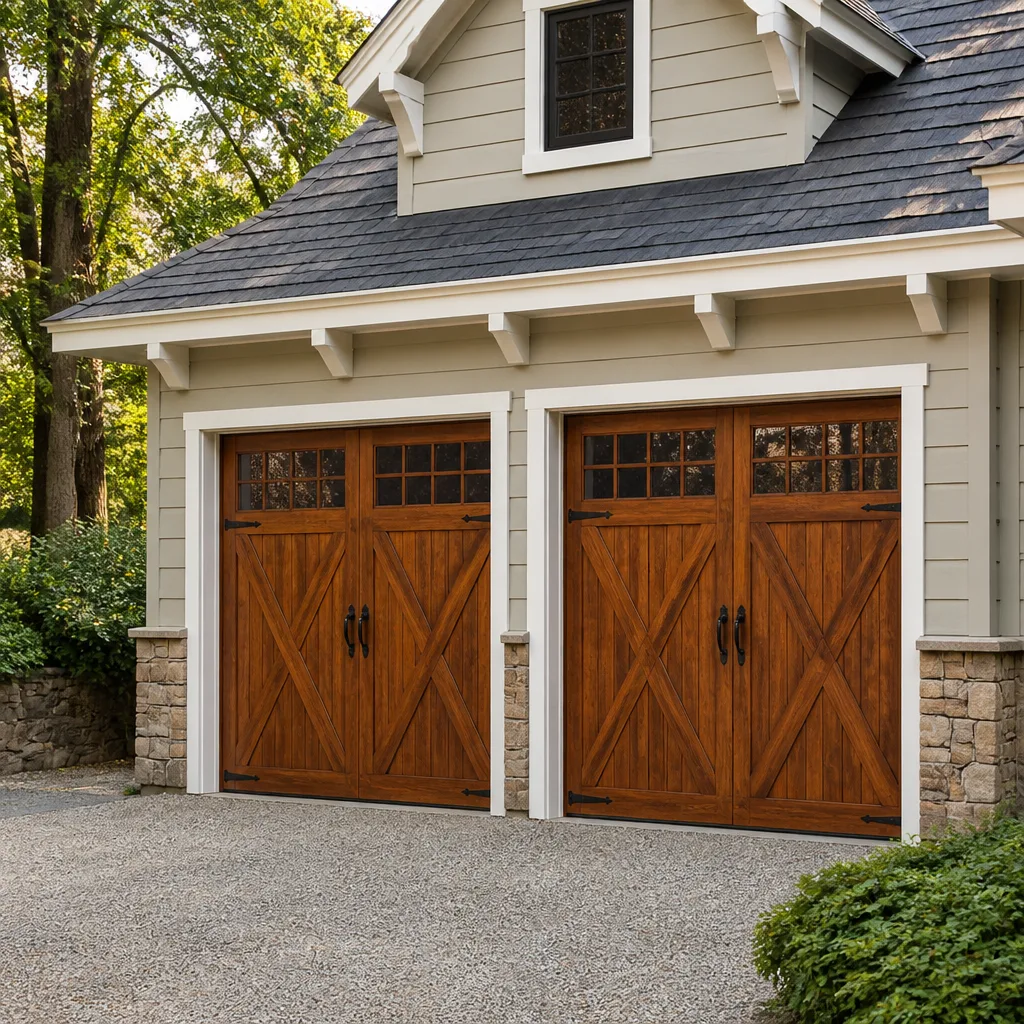 Carriage house
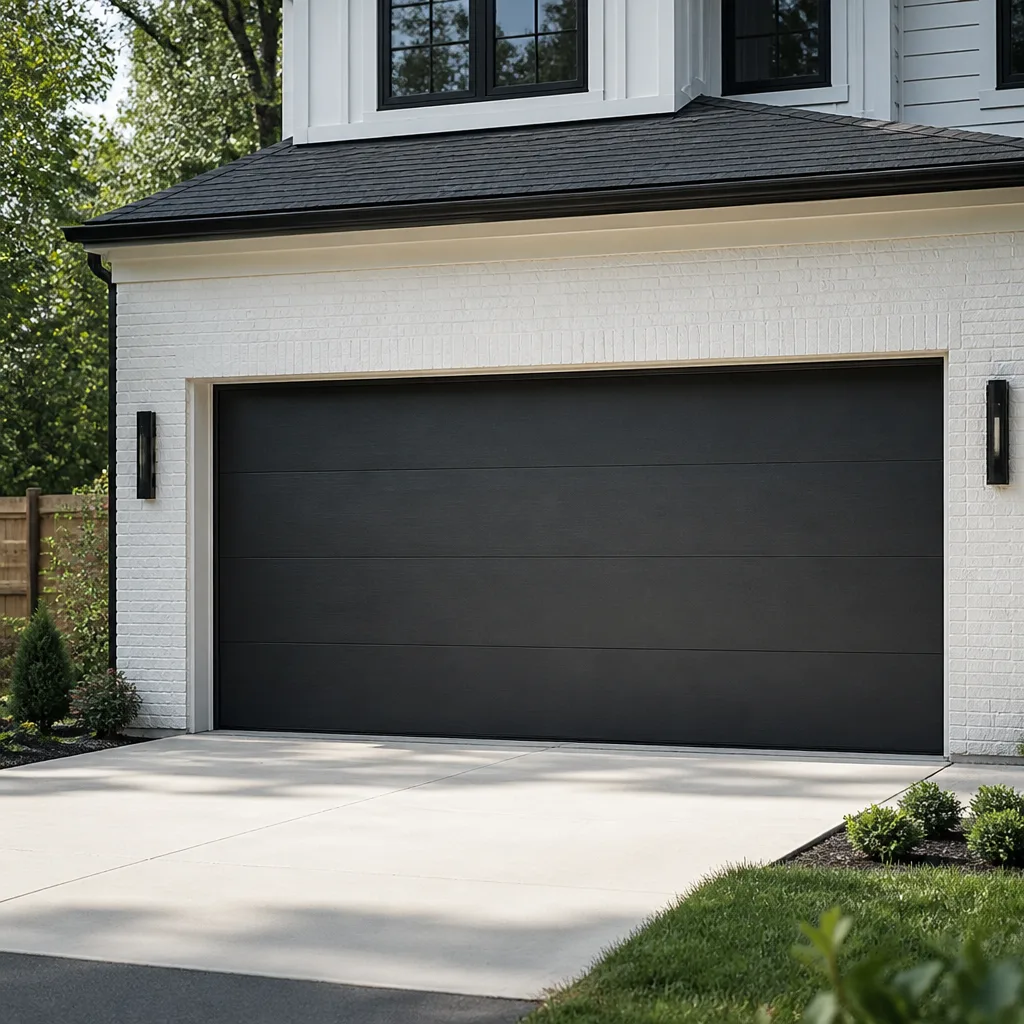 Modern flush
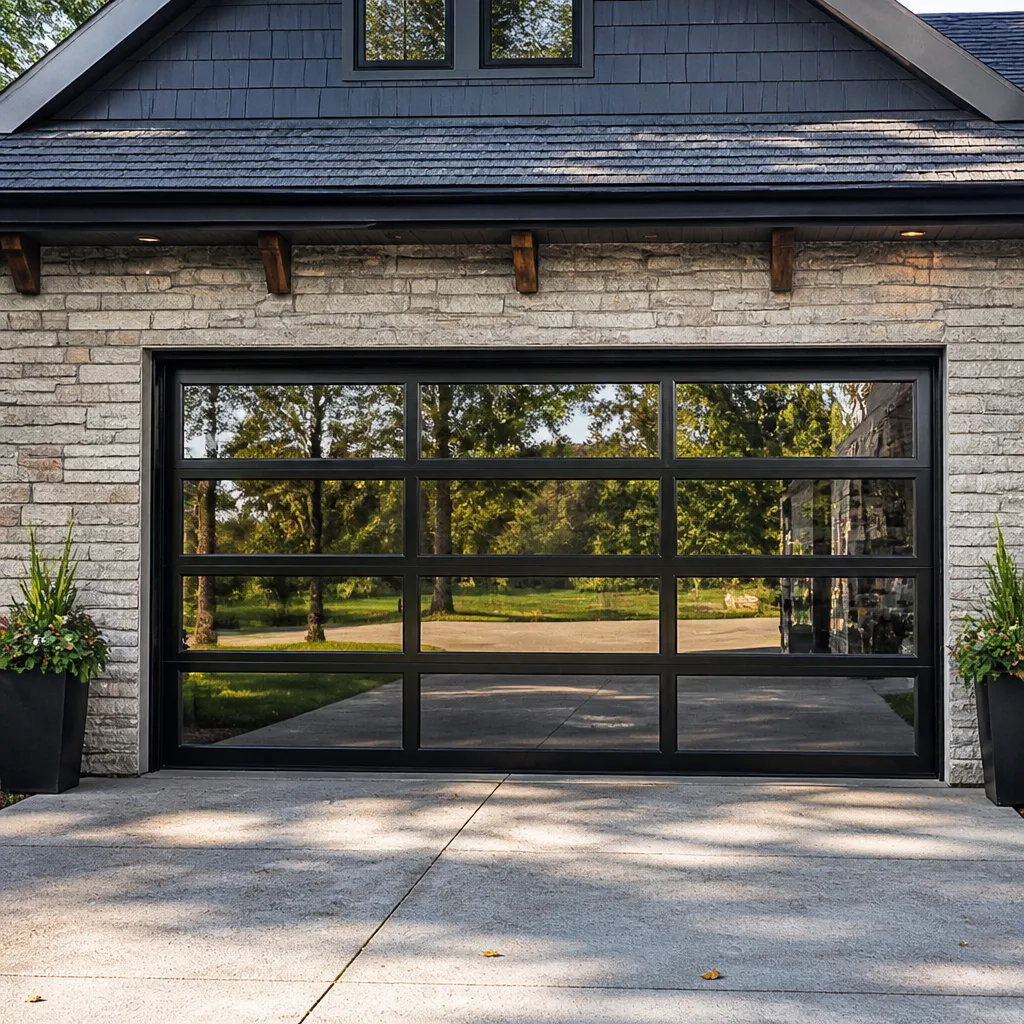 Full-view glass
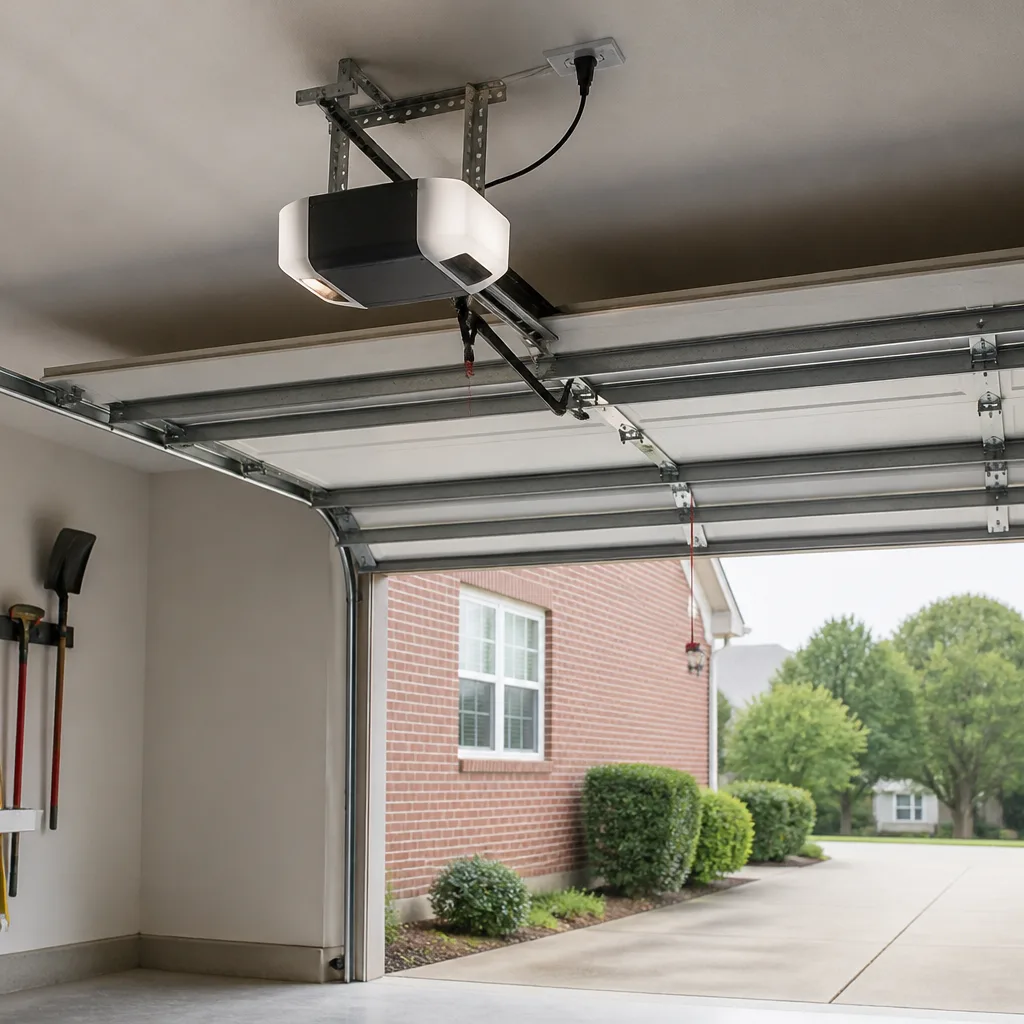 LiftMaster openers
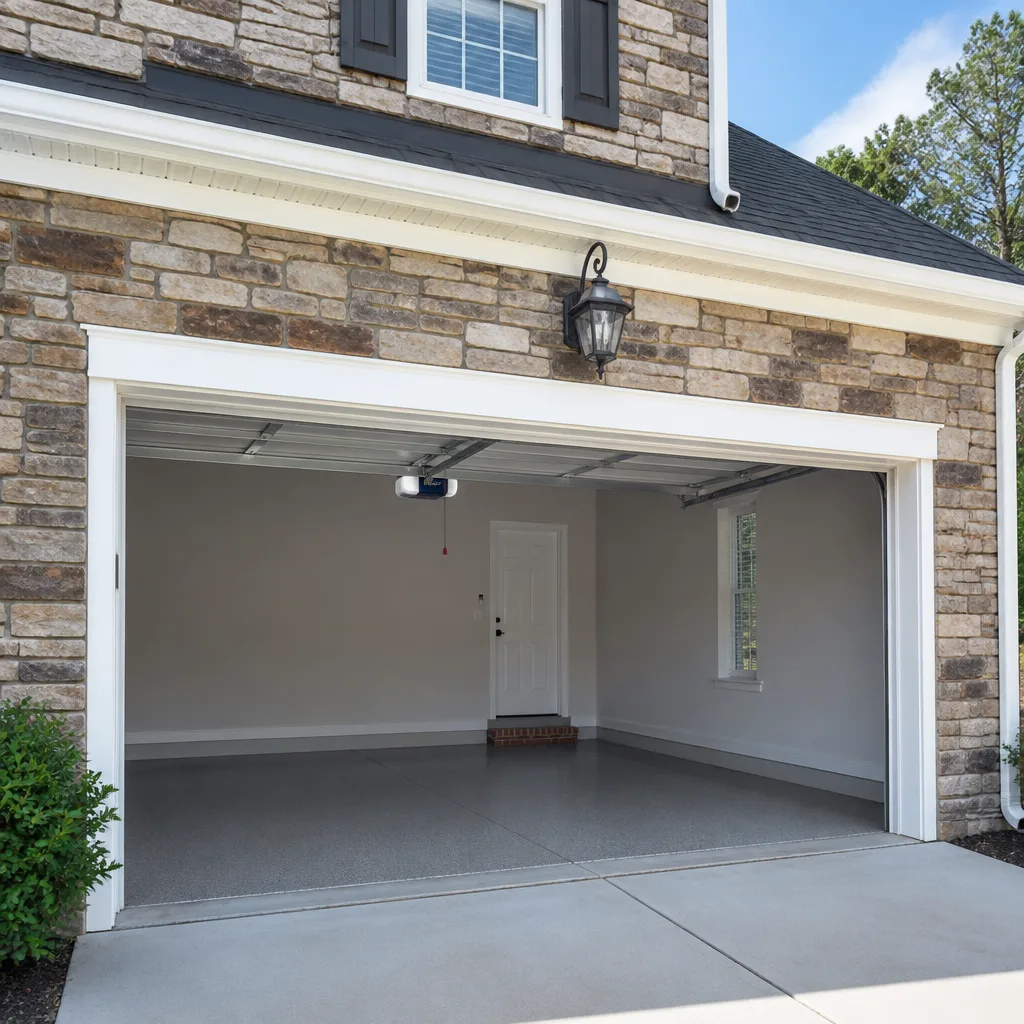 Chamberlain openers
Full 25-point door and opener safety check with every visit - springs, cables, rollers, tracks, and your LiftMaster or Chamberlain opener included
You get a price before we start. It does not change when the pro arrives.
Get your free estimateGarage Door Repair Maintenance Checklist for Hollywood Homeowners
Most garage door checklists floating around the internet were written for a house in Ohio. Torsion springs in Hollywood’s heat and humidity don’t fail on the schedule the manufacturer’s cycle rating suggests, and the checklist that tells you to “listen for a squeak” won’t catch the corrosion that quietly eats a spring cable from the inside out. What actually breaks first in South Florida is different: humidity-driven rust on the springs and cables, weatherstripping that fails against driving rain, sensors that drift in the heat. This guide walks you through the inspections and maintenance that matter for a garage door in Hollywood, roughly half of them are skipped by homeowners who don’t know better. Work the list in order and you’ll catch most serious failures before they turn into an emergency call.
Quick Answer
A garage door maintenance checklist for Hollywood should cover seven things: a monthly visual inspection of springs, cables and bottom brackets for rust; a weatherstripping seal test against driving rain; lubrication every three to four months instead of the standard annual interval; a monthly opener safety reversal test; heat-related door balance and sensor alignment checks; a post-storm inspection after tropical weather; and an annual professional tune-up. South Florida’s heat and humidity accelerate wear on springs, cables and seals, so the calendar you follow here should be tighter than what the manufacturer’s manual recommends for a dry climate.
Styles & brands we work with
- Raised-panel steel
- Carriage house
- Modern flush
- Full-view glass
- LiftMaster openers
- Chamberlain openers
Table of Contents
- Monthly Visual Inspection in Hollywood’s Climate
- Testing Weatherstripping Against South Florida Rain
- Lubrication Schedule for High-Heat, High-Humidity
- Opener Safety Reversal and Sensor Alignment
- Door Balance, Track and Hardware Checks
- Post-Storm Inspection After Tropical Weather
- Annual Professional Tune-Up: What to Expect
- Seasonal Checklist Summary for Hollywood
Monthly Visual Inspection in Hollywood’s Climate
A five-minute walk-around once a month catches most problems while they’re still cheap to fix. In Hollywood, the humidity accelerates corrosion on springs, cables and bottom brackets, so the parts you can’t see are the ones you need to look at most carefully. You’re not opening anything or taking anything apart, just looking and listening.
Start at the top of the door and work down. Open the door fully, then step back and look at the whole assembly before the door comes back down.
- Torsion springs (above the door, along the header): look for rust, especially where the coils meet, and any sign of a visible gap or separation in the coil. A spring showing rust streaks is losing life, even if it still works.
- Extension springs (if your door has them, running alongside the tracks): check for rust on the coils and frayed safety cables threaded through them. The safety cables are there to catch a spring if it breaks; a rusted cable won’t.
- Lift cables: the cables run from the bottom corners of the door up to the drums. Look for fraying, kinks, or rust on the strands. Even one broken strand is a sign to have the cable looked at by a professional before it snaps.
- Bottom brackets and hinges: these sit low to the ground and catch water and lawn debris. Rust here is normal over time but heavy corrosion is a failure point.
- Rollers and tracks: look for flat spots on steel rollers, cracked nylon rollers, or anything loose in the track. Give the door a listen while it moves – grinding, popping or a hard thunk at the bottom signals a problem.
Hollywood homeowners who skip the spring inspection are the ones who call in a panic when the door won’t lift one morning. In our experience working on the doors in this climate, corrosion on the torsion spring is the single most common reason a door dies suddenly. Our trained technicians handle spring repair in Hollywood regularly, and spring work carries serious injury risk from the stored tension – it’s not a DIY job.
Do not touch the springs. Torsion and extension springs are under extreme tension; adjusting or removing them without the proper tools and training can cause serious injury. Look at them, then call a professional if you see anything wrong.
Testing Weatherstripping Against South Florida Rain
Most weatherstripping guides tell you to look for daylight under the door. That works for a dry-climate air leak, but it won’t catch what fails here. Hollywood rain comes in sideways during summer storms, and a seal that passes the daylight test can still let water run under the door and pool on the garage floor.
The right test is a water test, not a light test. Here’s the sequence:
- The paper test (do this too): close the door on a sheet of notebook paper placed at the bottom, then try to pull it out. It should feel snug at every point along the bottom. Where it slides out too easily, the seal has lost its grip.
- The wet test: with the door closed, run a garden hose at a low spray against the bottom seal from the outside and watch the inside floor. Any water inside the garage means the seal isn’t holding against driven rain.
- Look at the seal itself: the bottom weatherstripping should be flexible and lie flat. In Hollywood’s heat, vinyl seals harden and crack within a few years. If yours feels stiff or has visible cracks, it’s failing even if it looks fine.
- Check the side and top seals: the trim stops on the sides and top also dry out. Gaps there let rain blow in during a summer squall and let the heat in year-round.
The bottom seal is the one that matters most for water intrusion, and it’s the one homeowners replace least often. If your garage floor gets wet after a heavy summer storm in Hollywood, that’s the first thing to replace. Weatherstripping is one of the cheapest maintenance items on a door, and it stops the water damage that eventually reaches anything stored in the garage.
Lubrication Schedule for High-Heat, High-Humidity
The standard advice is to lubricate a garage door once or twice a year. In Hollywood, that interval is too long. Heat and humidity thin and displace lubricant faster than in a dry climate, and once the lubricant is gone, corrosion starts almost immediately on the moving parts. Our working schedule for this area is every three to four months, and more often on doors that face west and take the worst of the afternoon sun.
What to lubricate and what to skip:
- Rollers: a few drops of garage-door-specific lubricant on the roller bearings. Never use grease or WD-40 on the rollers – grease attracts grit that grinds the bearings.
- Hinges: one drop per hinge pivot point. Wipe off any excess so it doesn’t attract dust.
- Torsion spring coils: a light spray of a spray lubricant along the coils is fine. This slows surface rust in the humidity. It does not repair a spring that has already lost tension.
- Track (the inside where the rollers ride): light oil, wiped thin. Heavy grease in Florida heat becomes a magnet for grit and dust.
- Lock and handle (if you have a manual lock): graphite or a silicone spray.
- Do not lubricate: the opener rail’s belt or chain with anything but the manufacturer’s specified lubricant, and never the safety sensors themselves.
If your opener is a smart-home-integrated unit – a LiftMaster, Chamberlain or Genie model that’s connected to an app – keep an eye on its activity log. Modern openers log cycles and stress flags, and an unusually high number of short cycles can be a sign of a door that’s out of balance. Genie and LiftMaster are the two systems we see most often in Hollywood, followed by the older Craftsman units that keep running for years with a little attention. garage door opener repair on any of those brands stays within our normal scope – we don’t push a replacement when a repair will do.
Opener Safety Reversal and Sensor Alignment
The safety reversal system is the most important mechanism on your garage door, and it’s the one homeowners test least. It should be tested once a month. Hollywood’s heat is hard on the alignment of the photoelectric safety sensors, and a small drift over the course of a summer can leave a door that closes on a child without reversing.
The test is simple and takes two minutes:
- Place a 2×4 or a stiff piece of cardboard flat on the floor directly under the closed door.
- Press the close button. The door should make contact with the object and reverse direction within about two seconds, then return fully open.
- If the door doesn’t reverse, stop using it until the system is fixed. That’s a call-a-professional situation, not a “try again tomorrow” situation.
- Also test the photo-eye sensors: wave your hand or an object across the beam while the door is closing. The door should reverse immediately. If it doesn’t, the beam is misaligned or dirty.
On the sensor alignment side, Hollywood’s heat causes two things: the plastic brackets holding the sensors soften and sag slightly, and dust from yard work or long dry spells coats the lenses. Wipe the lenses with a soft cloth monthly and check that the beam points directly at its partner across the door. A solid green or amber light on both sensors usually means the alignment is good; a flickering light means it’s drifting. If the brackets themselves are warped from the heat, replacement is a small job and worth doing before the problem leaves the door stuck open.
If your door has a Wi-Fi opener, set the app’s monthly test reminder. LiftMaster, Chamberlain and Genie all support this, and it’s how most Hollywood homeowners stay on top of the reversal test without having to remember.
Door Balance, Track and Hardware Checks
A door that’s out of balance puts extra strain on the opener and the springs, accelerating the failure the whole checklist is trying to prevent. Test the balance once a month, and definitely before any opener maintenance.
With the door closed, pull the emergency release cord to disconnect the opener (this detaches the door from the motor). Then lift the door by hand to about waist height and let go. A properly balanced door stays put. A door that falls on its own is out of balance and needs attention. A door that requires real effort to lift has a spring that’s losing tension – a common issue in a humid climate where the springs weaken faster than the rating suggests.
Then look at the track and hardware:
- Vertical and horizontal track alignment: the track should be straight and level and the same distance from the door frame at every point. Bents and bows in the track are usually from a door that got hit or a car that got backed into. Don’t try to bend it back yourself – the metal is thinner than it looks and can kink.
- Bolts and brackets: once every few months, check for loose bolts on the hinges, brackets and track mounts. In Hollywood’s heat, the wood around the mounts expands and contracts, and a loose bracket is a common source of a door that rumbles.
- Panels: look for cracks, dents or separation between panels. Old wood or steel doors on Clopay and Amarr models are common in the neighborhoods around Hollywood, and a cracked panel is a structural concern rather than a cosmetic one.
Balance issues, bent tracks and failing panels are the problems that tend to graduate from “noticed it” to “need an emergency call” without warning. If you find one during the monthly inspection, it’s worth having a professional look before the next trip.
Post-Storm Inspection After Tropical Weather
The afternoon before a named storm is not the time to check your door. The morning after is. Tropical weather in Hollywood brings wind-driven rain, debris and temperature swings, and the inspector who skips this is the one who finds out weeks later that the door is off track.
A post-storm inspection after tropical weather is a specific checklist of its own:
- Walk the perimeter. Look for debris, palm fronds or roofing grit in the track on both sides – a single frond stuck in a track will bend the door within a few cycles.
- Check the door is level. Stand back from the closed door and look at the gap at the bottom. If one corner is higher than the other, the door may have shifted off its track.
- Look for water intrusion on the floor. Water inside the garage means the weatherstripping failed and is a sign to test the seal again with a hose.
- Look at the springs and cables for rust bloom. Even a single season of humidity plus a storm can advance rust on the springs. Rust that’s new since the last inspection is a sign of accelerated corrosion.
- Test the opener and safety reversal. Storm-related power outages can reset the opener’s travel limits. Re-test the reversal system before using the door normally.
- Look at the opener housing. Water that got in through the garage roof or a soffit can drip into the housing. If your opener is Genie or Chamberlain and it tripped a breaker after a storm, get an electrician-level look before you press the button again.
Most homeowners do the debris check and skip the rest. The parts that fail after a storm are usually the ones you can’t see from the driveway – the shifted panel, the rust bloom, the opener that lost its limits. When your door won’t move after a storm, that’s the kind of situation our garage door repair team handles as an emergency call.
Annual Professional Tune-Up: What to Expect
The monthly and seasonal checks above are things any homeowner can and should do. Once a year, a professional inspection catches what you can’t see from the ground: spring tension, opener torque settings, bearing wear, and the slow corrosion that’s happening inside a bottom bracket you’d never normally look at. In Hollywood’s climate, an annual tune-up is closer to a necessity than a luxury – the humidity accelerates wear on every metal component.
A thorough tune-up includes:
- Measuring the spring tension and confirming the door’s balance against the opener’s rated lift.
- Checking the opener’s torque and force settings against the door’s actual weight.
- Inspecting the cables, bottom brackets and hinges, and torqueing any loose fasteners.
- Adjusting the track and confirming the door is level.
- Lubricating the rollers, hinges, springs and track with the appropriate products.
- Testing the safety reversal and photo-eye sensors.
- Inspecting the weatherstripping and recommending replacement where it’s failed.
If the tune-up turns up a problem that bigger than adjustment – a failing spring, a worn cable, a door panel that’s too far gone – you’ll want a company that handles the whole job from the opener to the overhead door. That’s the case for garage door installation when a repair stops making sense. Doors from Clopay, Amarr and Wayne Dalton all show up in Hollywood, and we work on the brand already in the garage rather than pushing a replacement.
Seasonal Checklist Summary for Hollywood
If you’re going to follow one summary, make it this one. It takes the long form above and compresses it into the sequence that matters most for a Hollywood door.
Every month:
- Visual inspection of springs, cables, bottom brackets and hinges for rust and wear.
- Run the safety reversal test with a 2×4 or a stiff piece of cardboard.
- Wipe the photo-eye sensor lenses.
- Disconnect and hand-test the door balance.
Every three to four months:
- Lubricate rollers, hinges, spring coils and track (not the belt or chain, and not the sensors).
- Check for loose bolts and brackets.
- Hose-test the bottom weatherstripping against driven rain.
Before and after any tropical weather:
- Clear debris from the tracks.
- Check the door for level and alignment.
- Re-test the opener and reversal system.
- Look for new rust on the springs and cables.
Once a year:
- Professional tune-up covering spring tension, opener settings, cable inspection, track alignment and full lubrication.
The full inspection sequence above covers the same ground as professional tune-ups, and following it month by month in Hollywood catches nearly all of the failures that turn into emergency calls.
Common Mistakes to Avoid
- Following the manufacturer’s maintenance interval for a dry climate. The schedule on the sticker assumes low humidity and moderate temperatures. Hollywood’s heat and humidity wear springs, cables and seals faster, so the intervals need to be shorter.
- Using the daylight test as the only weatherstripping test. A seal can pass the daylight test and still let in the sideways rain that comes with a summer storm in Hollywood. The hose test is the one that matters.
- Lubricating with the wrong product. Grease on the rollers and WD-40 on the hinges and springs is worse than nothing – grease traps grit and displaces proper lubricant. Use a garage-door-specific lubricant.
- Skipping the safety reversal test after a power outage. Power interruptions reset the opener’s travel limits. Test the reversal before you trust the door to close on its own.
- Trying to adjust the springs. Torsion springs carry enough stored energy to cause serious injury. The right move is to look for corrosion, note it, and call a trained professional for the work itself.
- Ignoring the post-storm walk-around. Debris in the track, a shifted panel and a rust bloom after a storm are the three failures that most often get missed in Hollywood, and each one escalates quickly if it’s ignored.
- Calling only when the door already won’t move. By the time the door won’t lift, the problem has already gone past maintenance and into repair territory. The checklist above is cheaper if you follow it before the failure.
See the difference
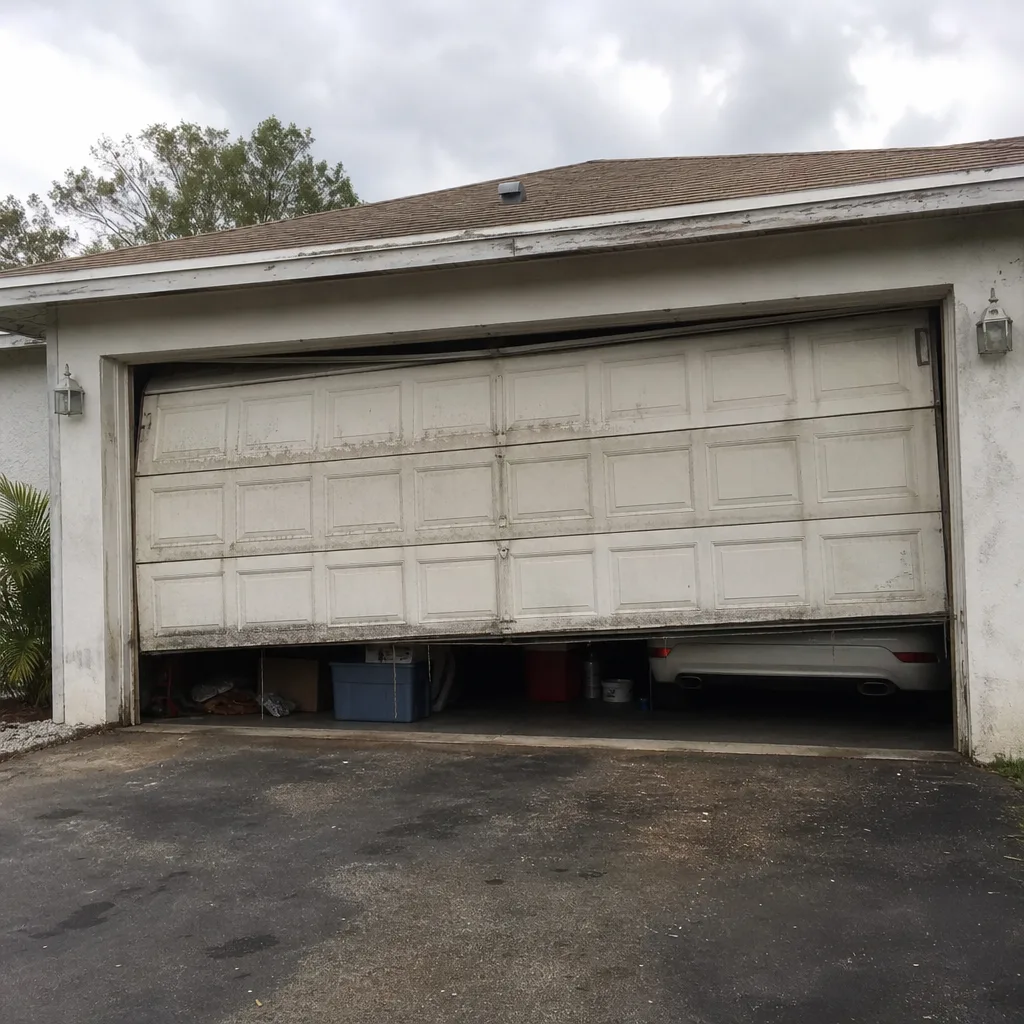 Before
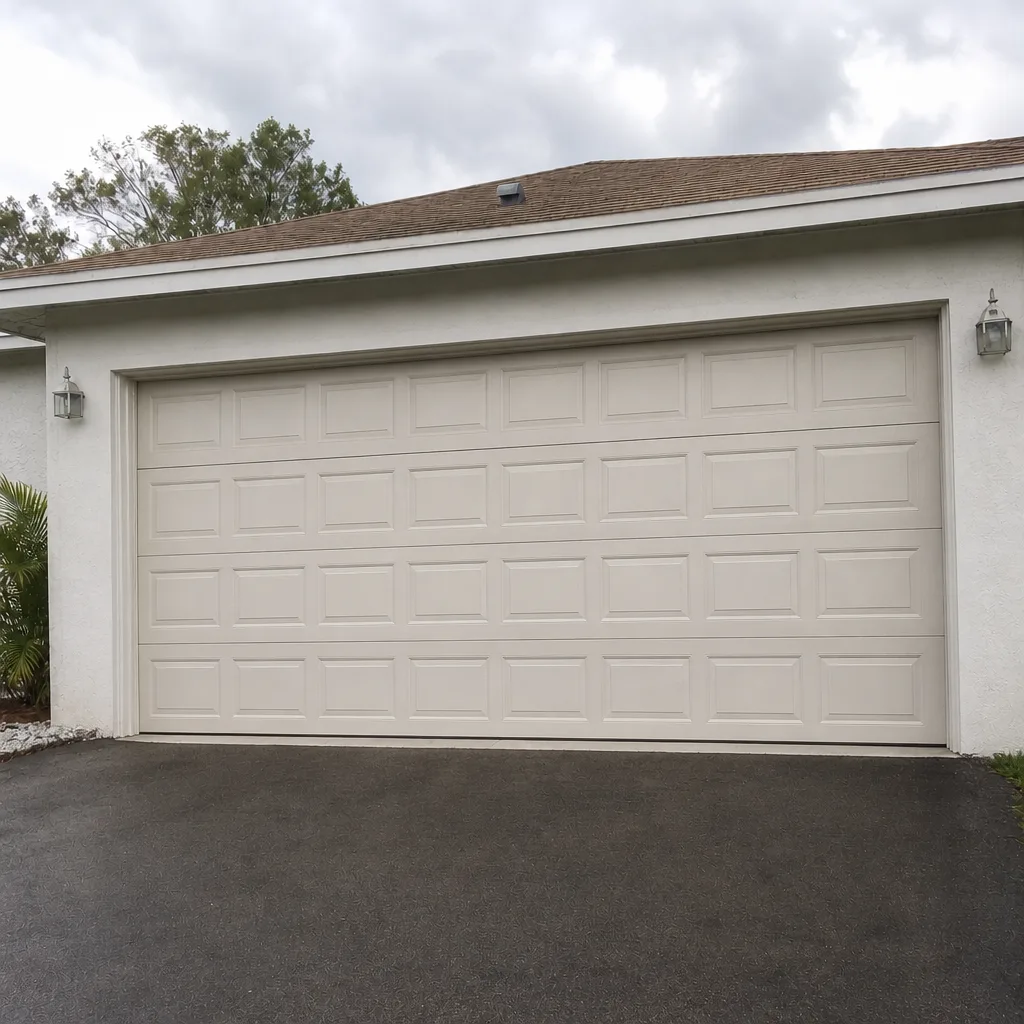 After
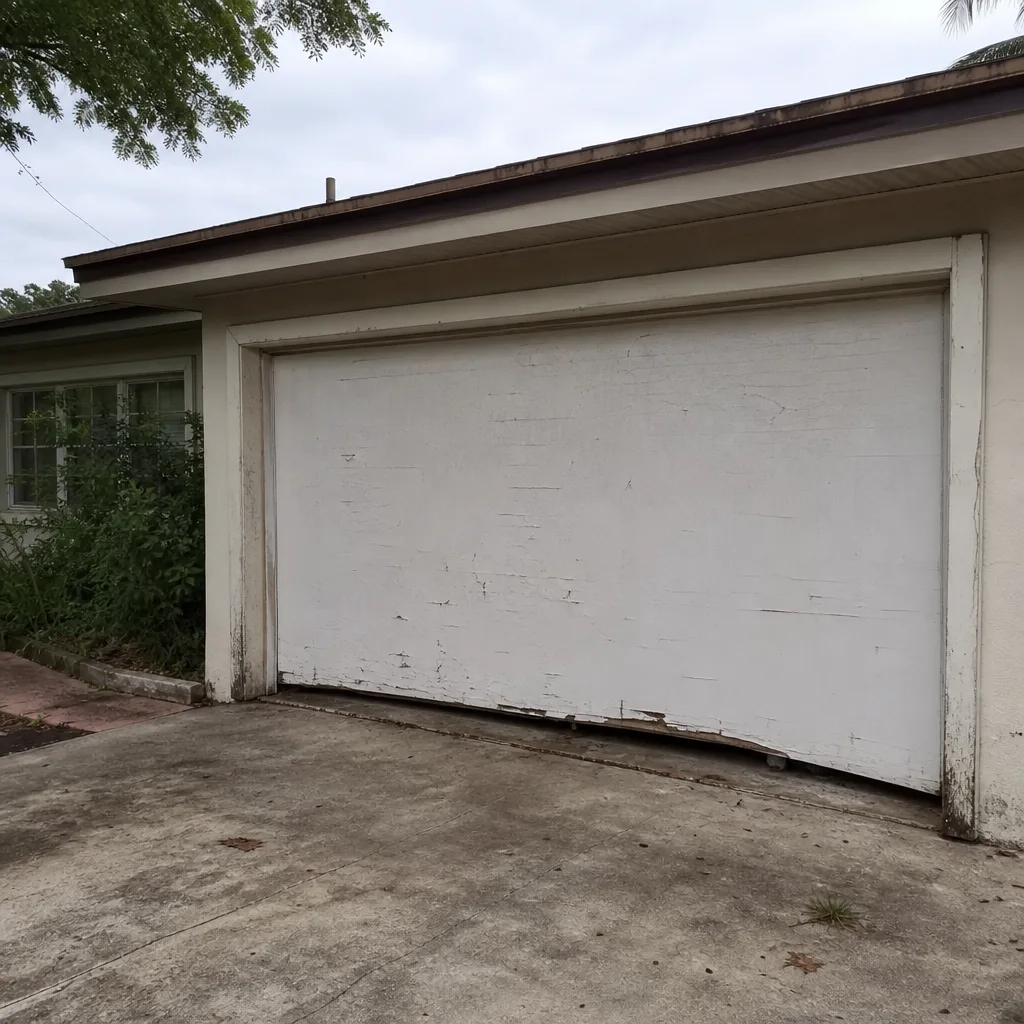 Before
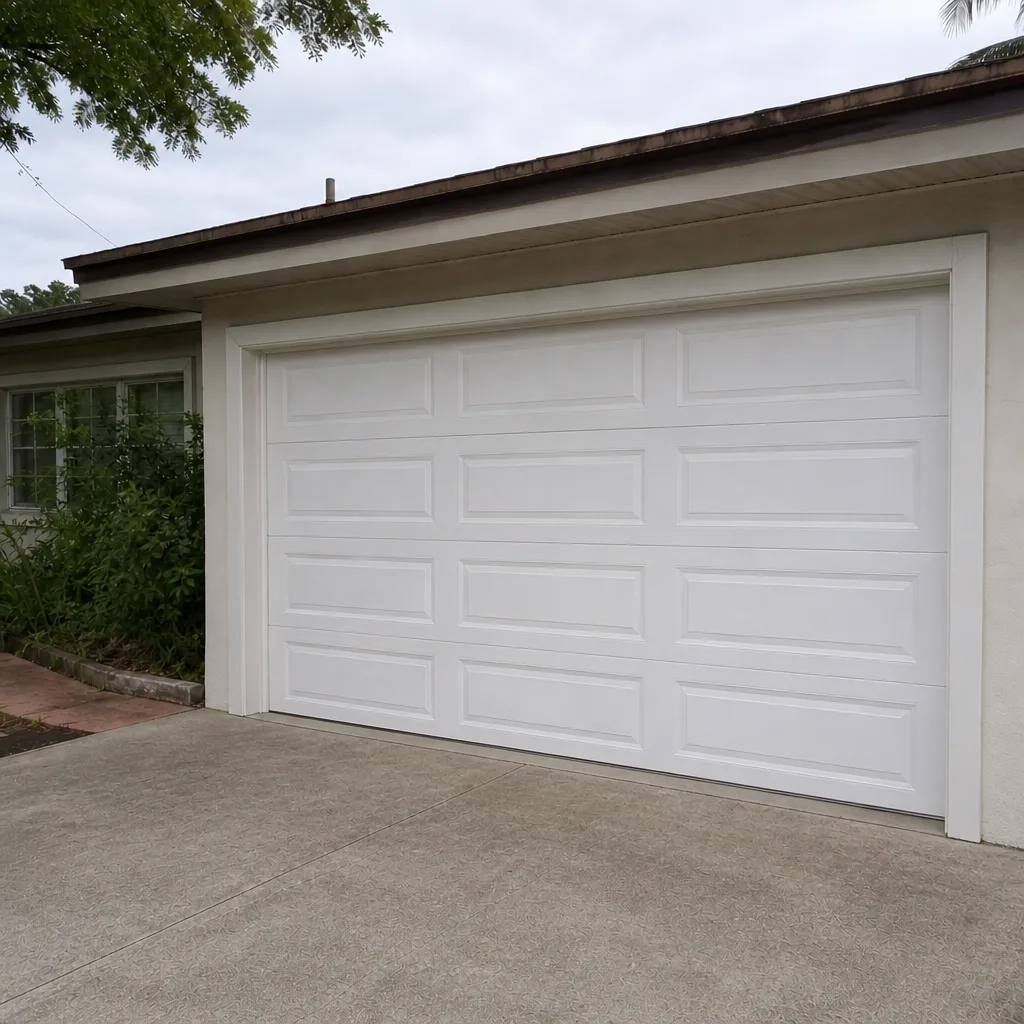 After
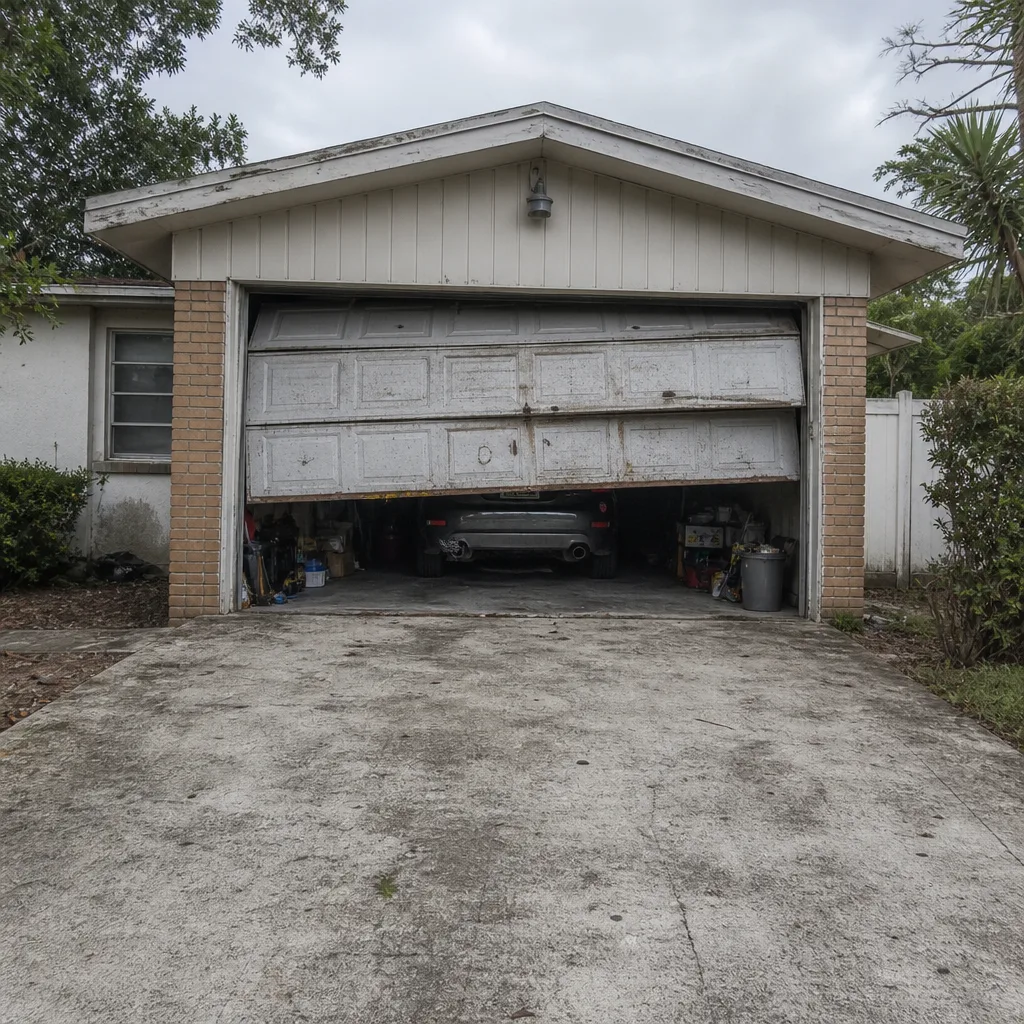 Before
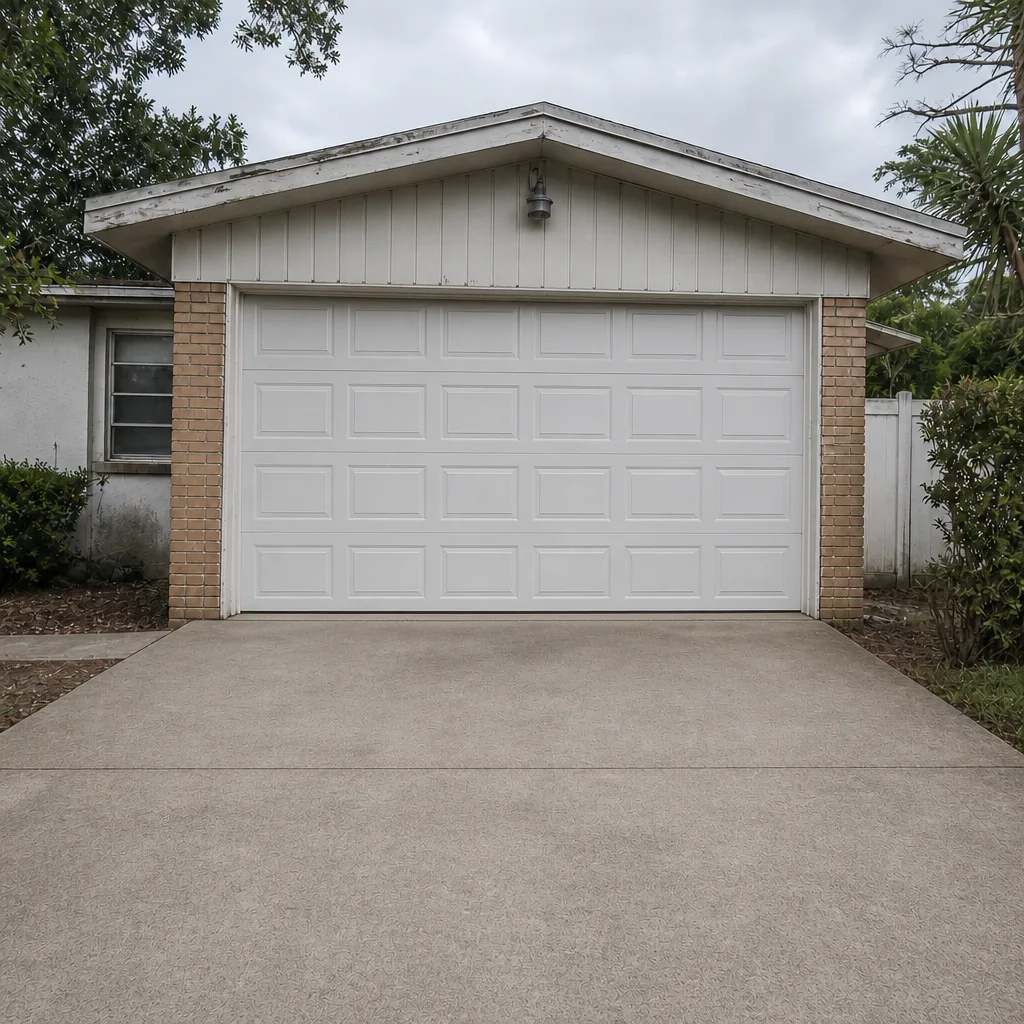 After
When to Call a Professional
Some things a homeowner should check, and some things only a trained technician should touch. Call a professional if you find a spring with visible rust or a gap in the coil, a frayed or kinked cable, a door that fails the balance test, a bent track, an opener that won’t reverse on contact, or any damage after a storm. The same goes for anything that has stopped working and left you without a functioning door. Spring repair, cable replacement and panel repair all carry real safety risk if handled wrong, and they’re not jobs for a ladder and an afternoon. When you’re ready for an inspection or a repair, Hollywood Garage Door Repair Pros offers free estimates in Hollywood – call (877) 792-6497.
Frequently Asked Questions
Once a month for the visual inspection and safety reversal test, every three to four months for lubrication, and once a year for a professional tune-up. Hollywood’s humidity and heat accelerate wear on springs, cables and weatherstripping, so this schedule is tighter than what the manufacturer’s manual recommends for a dry climate.
Yes. Moisture in the air causes the steel in a torsion or extension spring to corrode, and corrosion reduces the spring’s strength over time. A spring that would be rated for a longer cycle count in a dry climate can fail earlier in Hollywood, which is why the monthly rust inspection matters so much here. Call (877) 792-6497 if you see rust or a gap in the coil.
You can lubricate the spring coils with a light spray, and that’s fine for slowing surface rust. Never adjust, remove or attempt to replace a spring or a cable – torsion springs and lift cables are under extreme tension and can cause serious injury. Professional handling is the right move for anything beyond a spray of lubricant. Our technicians handle spring repair and stay on it until the door is balanced.
Run a hose at low pressure against the bottom seal from the outside with the door closed and watch the floor inside the garage. If water gets in, the seal has failed against driven rain, even if it passes the daylight test. Hollywood storms bring sideways rain that gets past seals the daylight test would call fine.
If the door reverses on its own without contact, the safety sensors are usually misaligned or dirty, which is a common problem in Hollywood’s heat. Wipe the lenses and re-align the sensors to see if that fixes it. If the door still won’t close, or the reversal test fails on contact with an object, stop using the door and call us at (877) 792-6497 for an inspection.
Clear any debris from the tracks, check that the door is level and hasn’t shifted, look for water inside the garage, inspect the springs and cables for new rust, and re-test the opener and safety reversal. Most homeowners stop at the debris check and miss the shifted panel or the rust bloom that turns into a failure within weeks.
The Bottom Line
A garage door maintenance checklist for Hollywood should be built around this climate, not a generic one. The parts that fail first here are springs and cables corroding in the humidity, weatherstripping that can’t handle driven rain, and safety sensors that drift in the heat. Follow the monthly visual inspection, the three-to-four-month lubrication schedule, the hose test of the bottom seal, the monthly reversal test, the post-storm walk-around, and the annual professional tune-up. That sequence catches nearly all serious problems before they turn into emergency calls. Do the visual checks yourself, leave the spring and cable work to a trained technician, and the door will last longer than it would on any generic schedule.
Hollywood Garage Door Repair Pros handles the full job from opener to overhead door, across the brands already in your garage, with a written estimate before any work starts. Call (877) 792-6497 for a free estimate – our technicians have up to 12 years of experience.
Written by the team at Hollywood Garage Door Repair Pros.