Last updated November 21, 2026
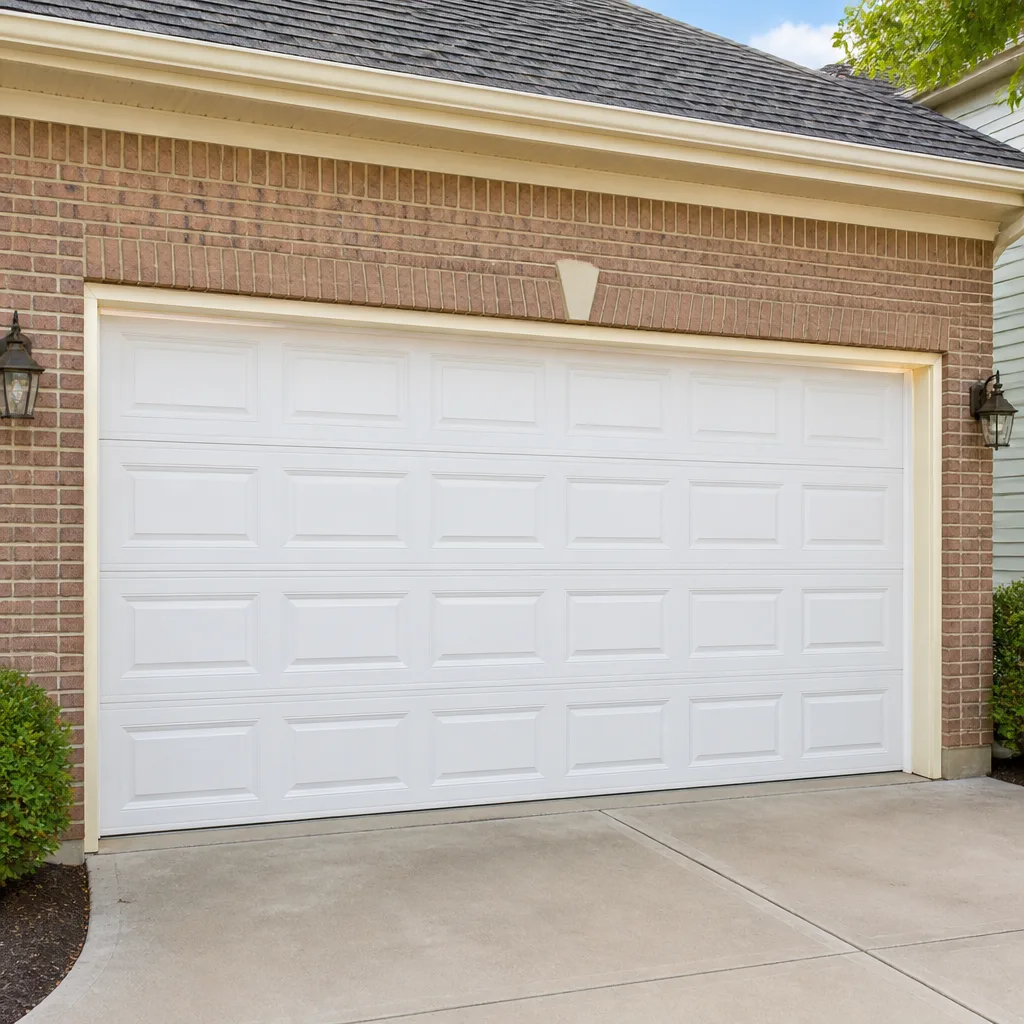 Raised-panel steel
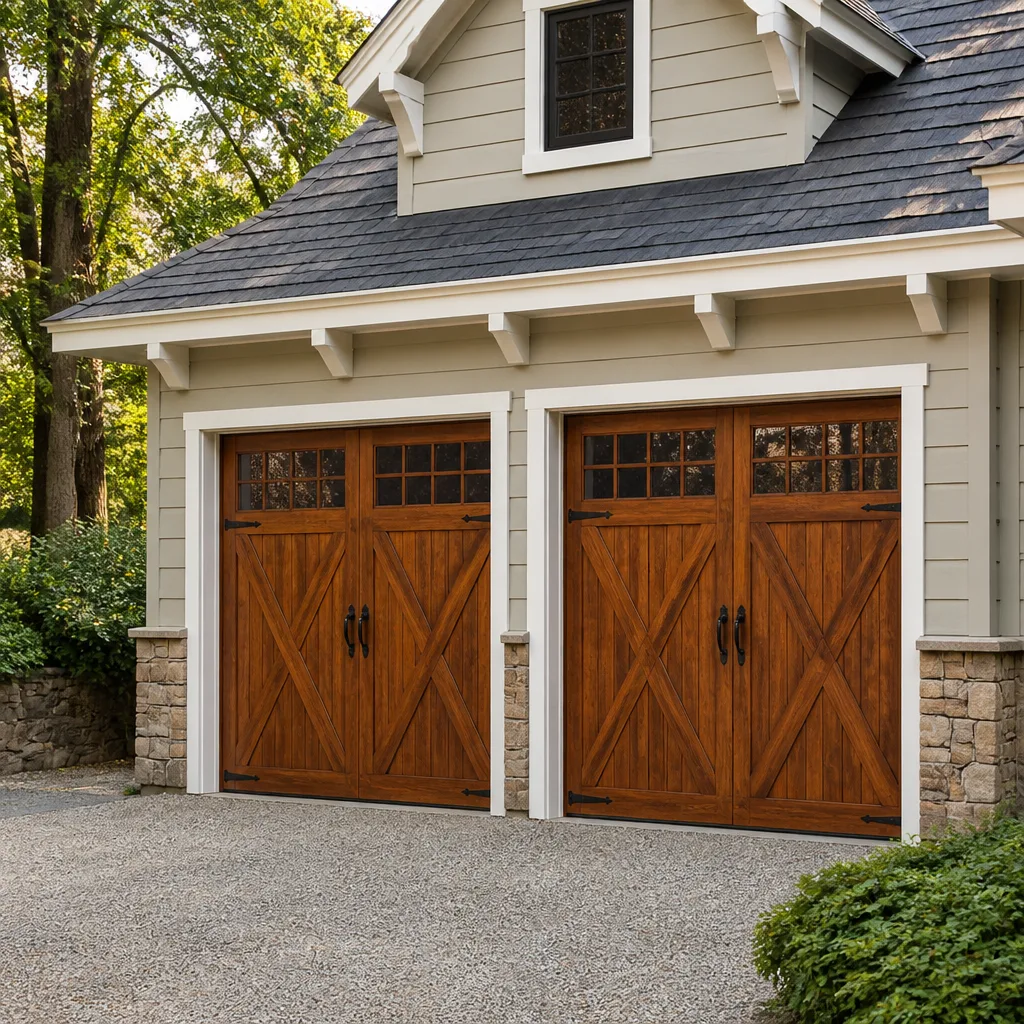 Carriage house
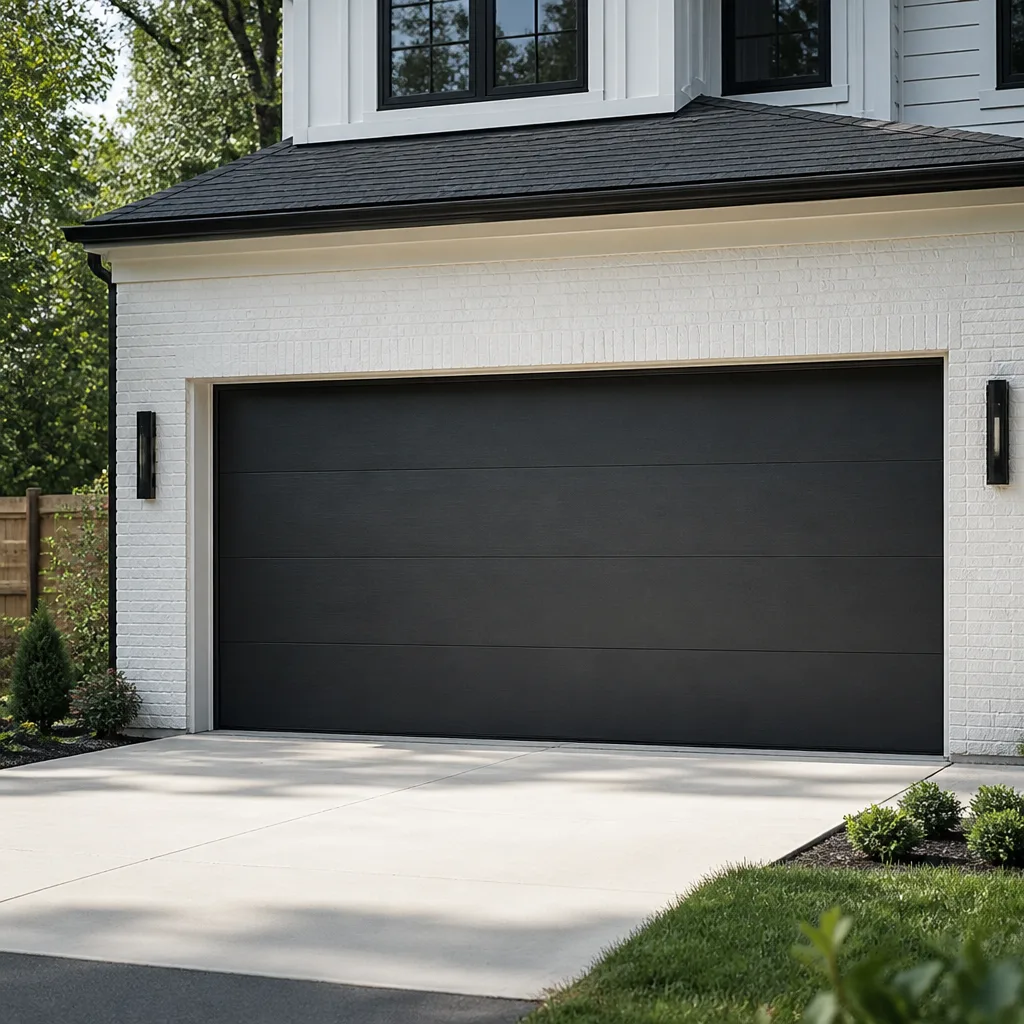 Modern flush
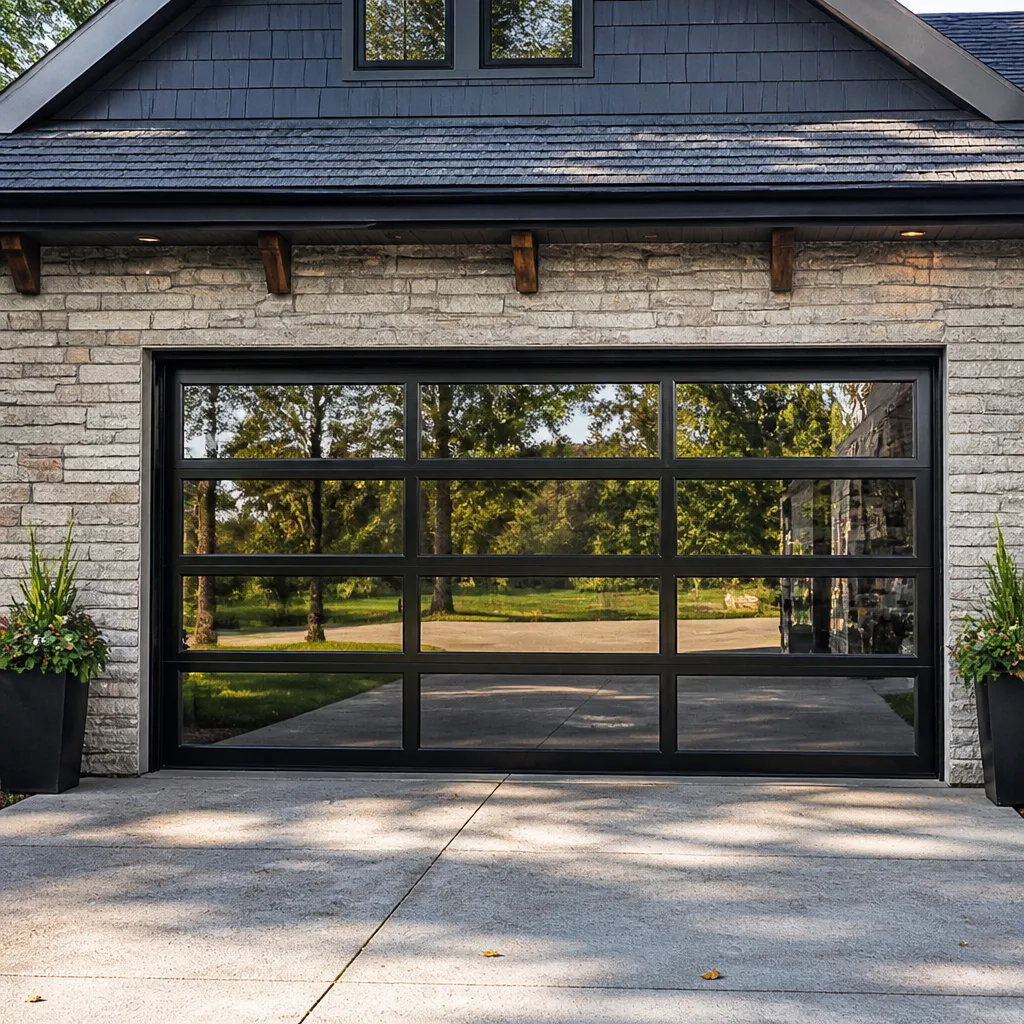 Full-view glass
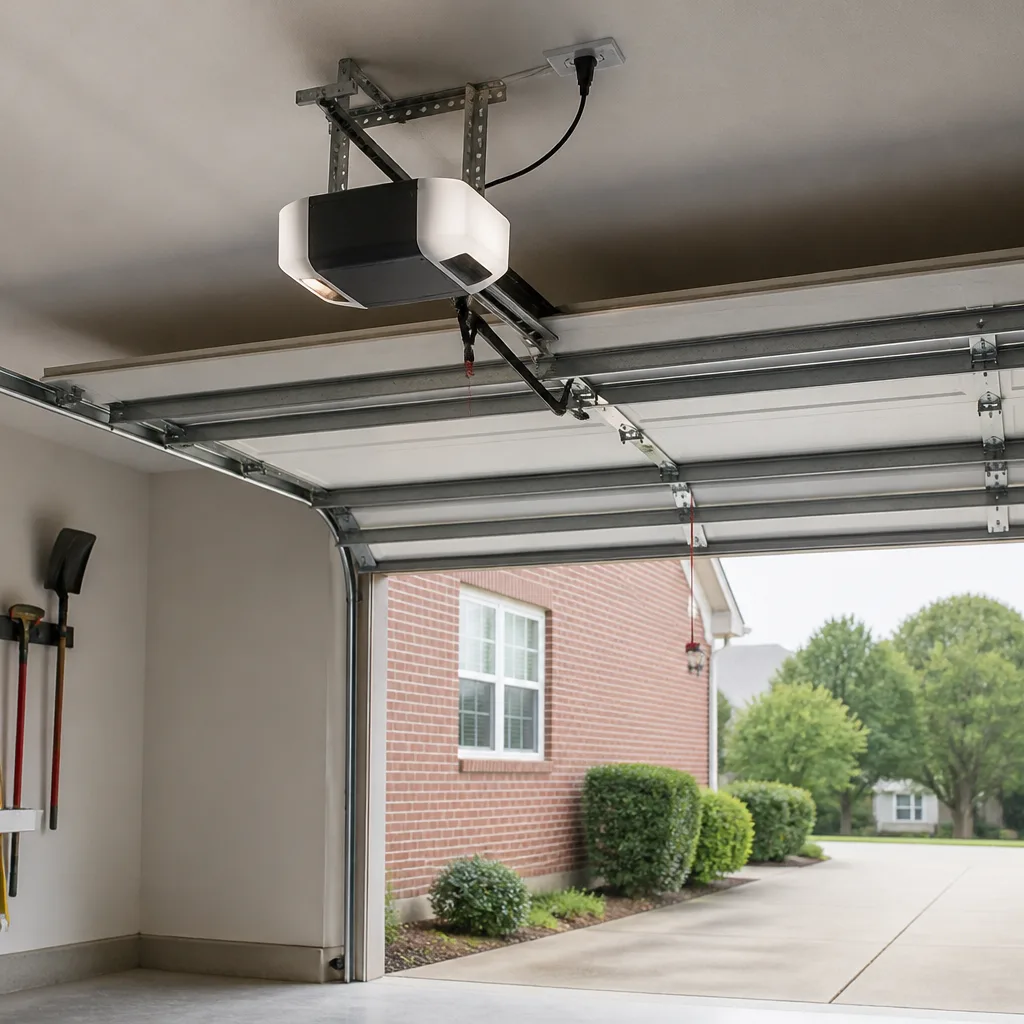 LiftMaster openers
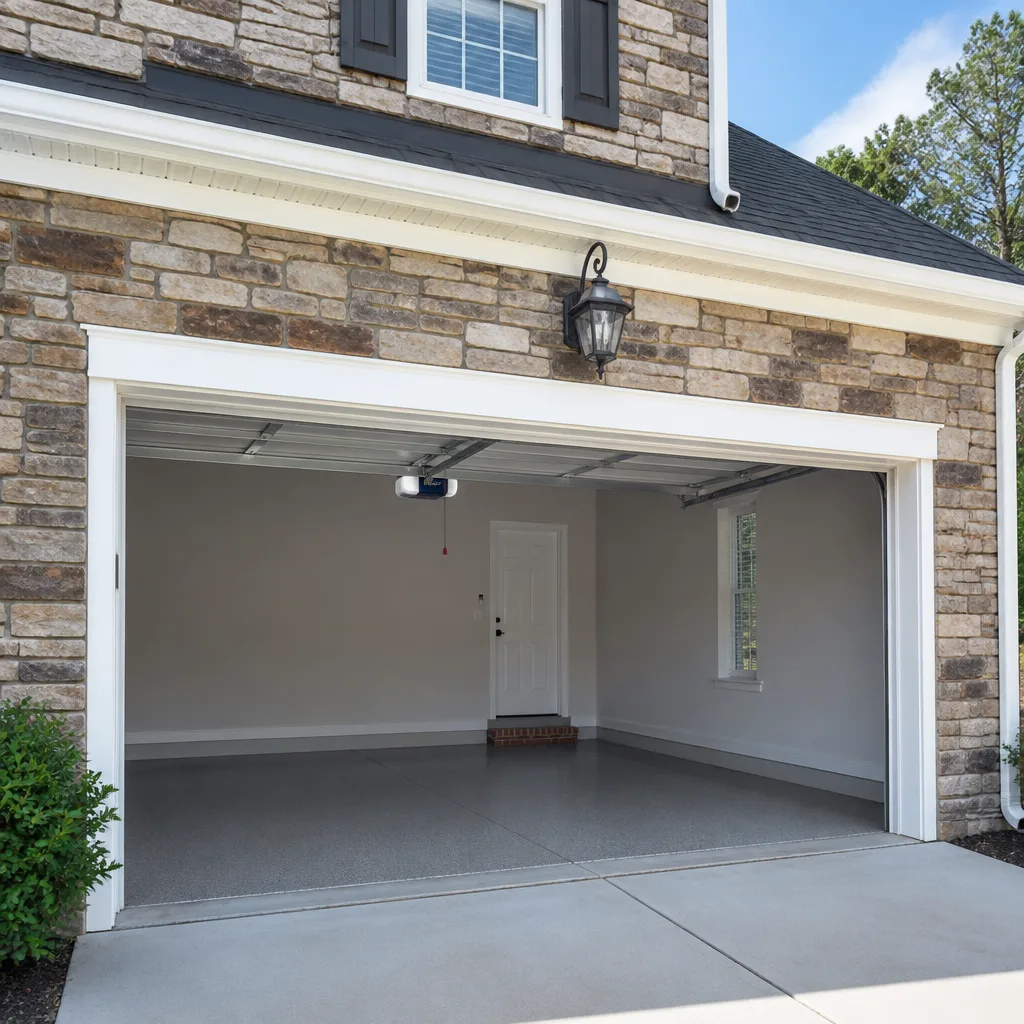 Chamberlain openers
Full 25-point door and opener safety check with every visit - springs, cables, rollers, tracks, and your LiftMaster or Chamberlain opener included
You get a price before we start. It does not change when the pro arrives.
Get your free estimateDIY vs Professional Garage Door: The Hollywood Homeowner’s Decision Guide
Torsion springs carry hundreds of pounds of torque, and a tensioned spring has almost no margin for error. That matters in Hollywood, where the sun, humidity, and wind put a lot of stress on garage doors year-round. This guide covers when a DIY repair is a reasonable weekend task and when a pro is the safer choice. If you suspect a structural issue or a wind-load problem, get it checked before your next inspection.
We’ll cover which tasks homeowners can safely handle, which components need a pro, and how Florida Building Code and warranty rules change the decision. We’ll also compare real costs honestly, so you can decide without guessing. After you read this in Hollywood, you’ll know what you can do, what’s better left to a pro, and how to work with a technician if you’ve already tried a fix.
Styles & brands we work with
- Raised-panel steel
- Carriage house
- Modern flush
- Full-view glass
- LiftMaster openers
- Chamberlain openers
Quick Answer
In Hollywood, most garage door repairs are safe for a pro, not for a novice. Lubrication, sensor alignment, remote programming, and weatherstripping are reasonable DIY tasks. Tension springs, torsion cables, opener motor swaps, and any job that changes the door’s structure or wind load should be left to a trained technician. A pro is also the right call when a DIY repair could create a permit problem or void your door’s warranty.
Table of Contents
- Know Your Level: A Task-by-Task Breakdown
- The Spring Problem: Why DIY Spring Work Is a Safety Issue
- Florida Building Code and What It Means for Your Door
- How DIY Can Void Your Warranty
- The Real Cost Comparison
- How to Work With a Pro After a Failed DIY Attempt
- Common Mistakes to Avoid
- When to Call a Professional
- Frequently Asked Questions
- The Bottom Line
Know Your Level: A Task-by-Task Breakdown
Most garage door repairs fall into two groups: tasks a handy homeowner can handle and tasks that should go to a pro. The difference is not skill alone. It is force, liability, and the chance that a small mistake turns into a larger repair.
Safe to DIY
- Lubrication: a garage-door-specific lubricant on hinges, rollers, and the torsion shaft reduces friction and noise.
- Photo-eye alignment: if the door won’t close, one of the safety sensors may be loose or out of line. Wipe the lenses clean and confirm both LEDs are lit.
- Remote programming: on most LiftMaster and Chamberlain units, a learn button makes a fresh remote pairing quick.
- Weatherstripping: replacing a worn bottom seal is a low-stakes job that keeps out rain and drafts.
- Testing safety reversal: placing a box under the closing door to check the auto-reverse is easy, and worth doing monthly.
Leave to a pro
- Torsion springs and extension springs: high energy, and one of the riskiest DIY tasks in any home.
- Torsion cables and drums: under load and easy to mangle.
- Track alignment and panel straightening: a misaligned track can make the door bind or come off its rollers.
- Opener motor, gear, or logic-board replacement: more complex than a remote pairing, with wiring and safety checks.
- Any repair that changes a structural panel, header, or wind-load rating.
If your task falls in the first list, have at it. If it falls in the second, the smart move in Hollywood is to call a trained technician and keep the DIY instinct for the simpler jobs.
The Spring Problem: Why DIY Spring Work Is a Safety Issue
A torsion spring stores enough energy to lift a garage door, and when it is wound, that energy is constant. A spring that is worn or broken can release suddenly, and a cable under tension can snap back. We see this risk come up in Hollywood all the time, and it is the main reason spring repair is not a DIY task.
Based on what we’ve seen, the margin for error on a tensioned spring is basically zero. The wind is done with a set of winding bars and a careful sequence; a slip can cause serious injury in an instant. There’s no reset and no gentle correction. That’s why we treat spring repair as a specialty, and why our technicians train specifically for it.
What to watch for instead
- Listen for a loud snap from the garage and a door that won’t lift.
- Look for a visible gap in a torsion spring above the door, or a stretched extension spring at the sides.
- Check whether the door feels heavy when you lift it by hand; that can signal spring trouble.
- Do not try to unwind, cut, or remove a spring yourself. Call a pro.
A trained pro can tell a worn torsion spring from a cable problem or a drum issue quickly. If you’re in Hollywood and the door won’t move at all, that’s a job for garage door repair rather than a home repair experiment. The time you save is not worth the injury risk.
Florida Building Code and What It Means for Your Door
In Hollywood, garage doors are subject to Florida Building Code and local wind-load rules. A door that is part of the building’s wind-load system must stay compliant. A DIY repair that changes the door’s structure, hardware, or attachments can create a compliance problem.
That doesn’t mean every repair needs a permit. Many maintenance tasks do not. What matters is whether the work touches the door’s structural or wind-load components. Hanging a new panel or track hardware is not the same as swapping a roller or a light bulb. If you’re not sure which category your repair falls into, ask the city’s building department before you start.
Where DIY can create a compliance issue
- Replacing a structural panel: the panel and its fasteners are part of the wind-load system. A different panel or a home-repaired one may not match the door’s rating.
- Changing track or header hardware: the connection between the door and the house must stay sound.
- Adding or removing reinforcement: struts and brackets affect how the door holds up in high wind.
- Swapping an opener to a model with different force settings: it needs to be set correctly for the door’s weight and travel.
For a lot of Hollywood homeowners, the safest route is a written estimate from a pro who knows the code and the door’s rating. When a structural element is involved, get the work checked before you close the book on it. A pro will tell you what needs a permit and what does not. That’s part of the service.
How DIY Can Void Your Warranty
A garage door warranty often covers defects in materials and workmanship, and it usually has conditions. Some say that work on certain components must be done by a qualified technician, or that installation and adjustment of structural parts must follow the manufacturer’s instructions. DIY work can affect coverage, even if the door still works.
Before you pick up a tool, find the door’s model and warranty document. Look for language about installation, adjustment, and service. If the terms are unclear, call the manufacturer or ask a pro who works with the brand. Our team works on the brand already in your garage, from a Craftsman unit to a Raynor door, so we can tell you what your warranty likely says about a given repair.
Read these warranty sections first
- Coverage period: how long the panels, springs, and opener are covered, and whether the coverage is prorated.
- Service conditions: whether the work must be done by a qualified technician or only with approved parts.
- Exclusions: what the warranty does not cover, such as damage from improper installation or adjustment.
- Proof requirements: what records you need to make a claim.
One honest point: a spring, cable, or track job that’s done wrong can leave you with a warranty that no longer covers the damage. In Hollywood, we’d rather you keep the coverage and let a pro handle the repair. If you’ve already tried a fix, keep the receipts and tell the technician what you did. It helps with a claim.
The Real Cost Comparison
The honest way to compare DIY and professional costs is to count more than the parts. A DIY repair can involve tool purchases, time, and the chance of turning a small fix into a bigger one. A professional repair includes the estimate, the labor, and a guarantee on the work. For a Hollywood homeowner, the math is not always obvious.
Take a common repair like a broken spring or a noisy opener. A DIY attempt often starts with a parts order and a few hours of research. If the fix goes wrong, the next step is a pro visit anyway, plus the cost of the DIY attempt. With a pro, you get a written price before work starts, and the repair is done in one visit.
What to weigh
- Parts: a spring or cable is a small line item. The bigger cost is time, and a failed fix.
- Tools: winding bars, proper tension testing tools, and correct fasteners are not free.
- Time: a trained tech can do a spring or opener job in one visit; a first-timer may spend hours and still be stuck.
- Risk: a botched structure or wind-load repair can lead to a larger fix or a compliance issue.
- Warranty: a repair that affects coverage can cost more later.
We recommend getting a free estimate first in Hollywood. It sets the price before any work starts, and it tells you whether a DIY fix is actually worth it. The written estimate is the price, so there is no surprise invoice later. That’s a fair comparison to make before you decide.
How to Work With a Pro After a Failed DIY Attempt
If you tried a repair and it didn’t work, the best thing you can do is tell the technician exactly what you touched. Honesty speeds up diagnosis. It also keeps the job safe, since a partially disassembled door or a misset opener can behave unpredictably.
What to tell the technician
- Which parts you worked on: spring, cable, track, panel, opener, or sensors.
- What you changed or removed: a new roller, a different bracket, a replaced remote.
- What you noticed after the attempt: a noise, a heavy door, a door that closes partway, or an opener that runs but doesn’t lift.
- Where the parts came from: brand and part number, if you have them.
- Any safety concern: a loose spring, a cable that looks slack, or a door that will not stay open.
We’ve seen how a small bit of information can save a lot of time. A technician who knows a Craftsman remote was reprogrammed can skip a step. If you’re not sure what’s wrong, that’s fine, too. The first visit is about diagnosis, and a good pro will walk you through what was found. In Hollywood, a free estimate is a good place to start, and the technician can order the right parts from there. That applies to all of garage door opener repair as well.
Common Mistakes to Avoid
- Working under a door held up by a ladder. A garage door is heavy, and a ladder is not a support. Use a proper brace or let a pro do the work.
- Cutting a torsion spring. This is one of the most dangerous DIY mistakes. A tensioned spring can release with force, so leave it to a trained tech.
- Ignoring a broken spring. A door that is running on a broken spring puts stress on the opener and the door’s structure. It gets worse, not better.
- Buying a random replacement part. A part matched to the wrong door or opener can bind, break, or fail early. Check the brand and model first.
- Forgetting the wind-load rating. In Hollywood, a DIY panel or track change can affect your door’s rating. Ask about the code before you start.
- Skipping the safety reversal test. A photo-eye or force setting that’s off is a safety risk. Test it after any adjustment.
- Not checking the warranty. A DIY repair on a covered component can void the coverage. Look at the terms before you touch the door.
When to Call a Professional
Call a pro for any spring, cable, or track problem, for an opener that runs but doesn’t lift, and for a door that is off its tracks. Call if the door is heavy, lopsided, or won’t stay open. Call if a repair touches a structural panel or wind-load component in Hollywood, and call if you’ve tried a fix and it didn’t work. These are the cases where DIY can cost more than it saves.
If the door won’t move at all, emergency service is an option for a time-sensitive failure. We handle broken springs, off-track doors, and opener failures as a core offering. We work on the common brands in Hollywood, from LiftMaster to Chamberlain, and from Clopay to Amarr. If your opener is a smart-home unit, a technician can fix it without wrecking the connected setup.
Our technicians have up to 12 years of experience. Hollywood Garage Door Repair Pros offers free estimates in Hollywood, so you can call (877) 792-6497 for a quote before any work starts. We also handle full garage door installation if a repair isn’t the better answer. The written estimate is the price. That’s true for a spring and for a new door.
Frequently Asked Questions
Some repairs are safe, but structural and spring work is not. Lubrication, sensor alignment, remote programming, and weatherstripping are reasonable DIY tasks. Torsion springs, cables, and track adjustments should be left to a trained technician, especially when the door’s wind-load rating could be affected. If you’re unsure, a free estimate is a cheap way to get a firm answer. Call (877) 792-6497 for a quote.
No, it’s not a job for a homeowner. A torsion spring is under hundreds of pounds of torque, and a slip can cause serious injury in an instant. Trained technicians handle spring repair because the margin for error is basically zero. If your spring is broken, leave the door closed and call a pro. Call (877) 792-6497 for an estimate in Hollywood.
It can. Many warranties have conditions about who does the work and with what parts, and a DIY repair on a covered component can affect coverage. Check your warranty document before you start, and look at the coverage period, service conditions, and exclusions. A pro who works with your brand, like LiftMaster or Chamberlain, can tell you what your warranty likely allows. Call (877) 792-6497 for advice and a quote.
Not every repair needs one. Maintenance tasks usually don’t, but a change to the door’s structural or wind-load components may need approval. Ask the city’s building department before you start a structural repair, and get a written estimate from a pro who knows the code. Call (877) 792-6497 for a free estimate in Hollywood.
Often, yes, for repair and emergency jobs. A broken spring, an off-track door, or an opener failure can usually be addressed quickly, and emergency service is available for urgent situations. For a new door or a full replacement, the work has to be measured and ordered first, so it is scheduled rather than same-day. Call (877) 792-6497 to book a repair or an estimate.
No, the written estimate sets the price. A technician checks the door, explains what’s needed, and gives you a price before any work starts. If the job turns out to need more, that gets agreed with you first. We give free estimates in Hollywood, so you get the number before you decide. Call (877) 792-6497 for your quote.
Tell the technician what you did. Which parts you touched, what you changed, and what you noticed afterward all help with diagnosis. Honesty speeds up the visit and keeps the job safe, especially if a spring or track is partly disassembled. A free estimate in Hollywood is a good next step. Call (877) 792-6497.
The Bottom Line
In Hollywood, the DIY-versus-pro decision comes down to the part, not just your confidence. Lubrication, sensor alignment, remote programming, and weatherstripping are fine to handle yourself. Springs, cables, track work, and any change to a structural or wind-load component belong with a trained technician. Check your warranty, ask the city’s building department when a permit might be involved, and get a written estimate before work starts. If a repair is over your head, call a pro. Hollywood Garage Door Repair Pros offers free estimates in Hollywood. Call Hollywood Garage Door Repair Pros at (877) 792-6497.
Written by the team at Hollywood Garage Door Repair Pros.
See the difference
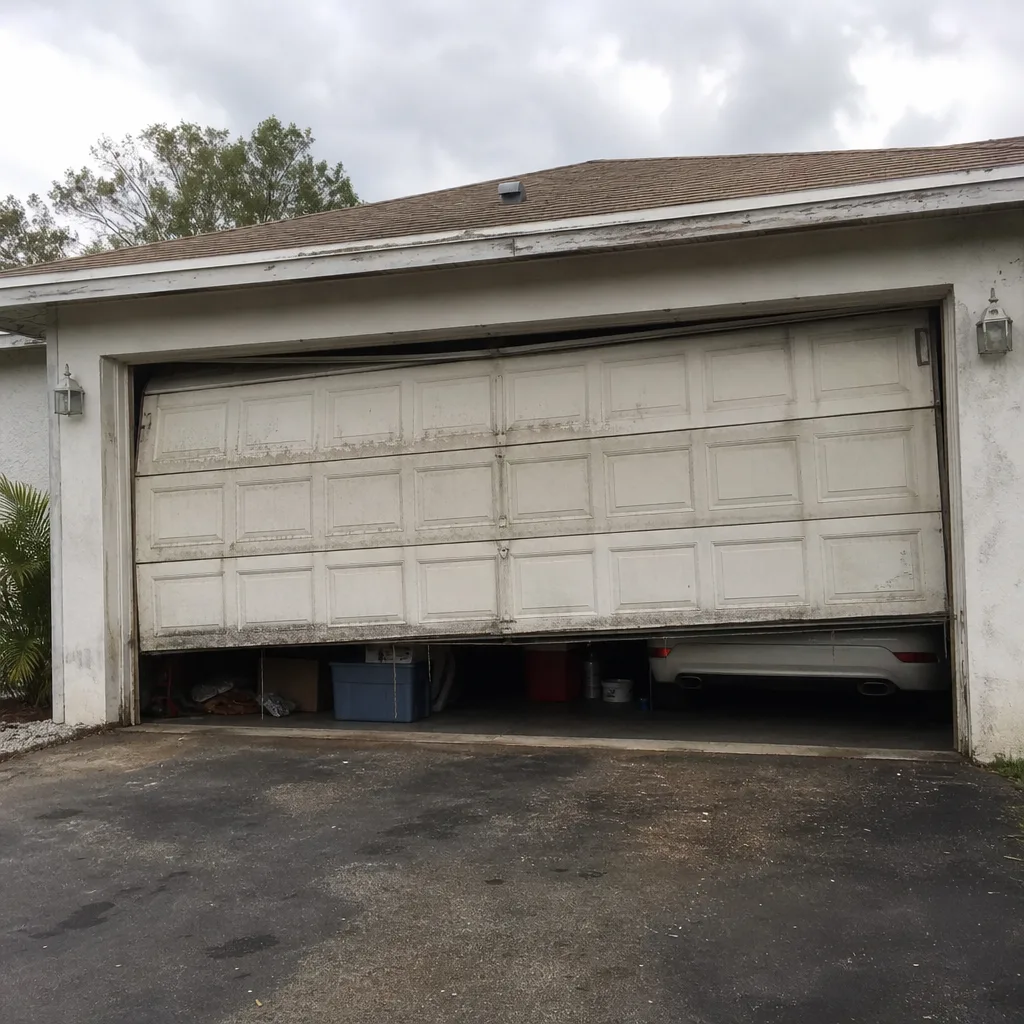 Before
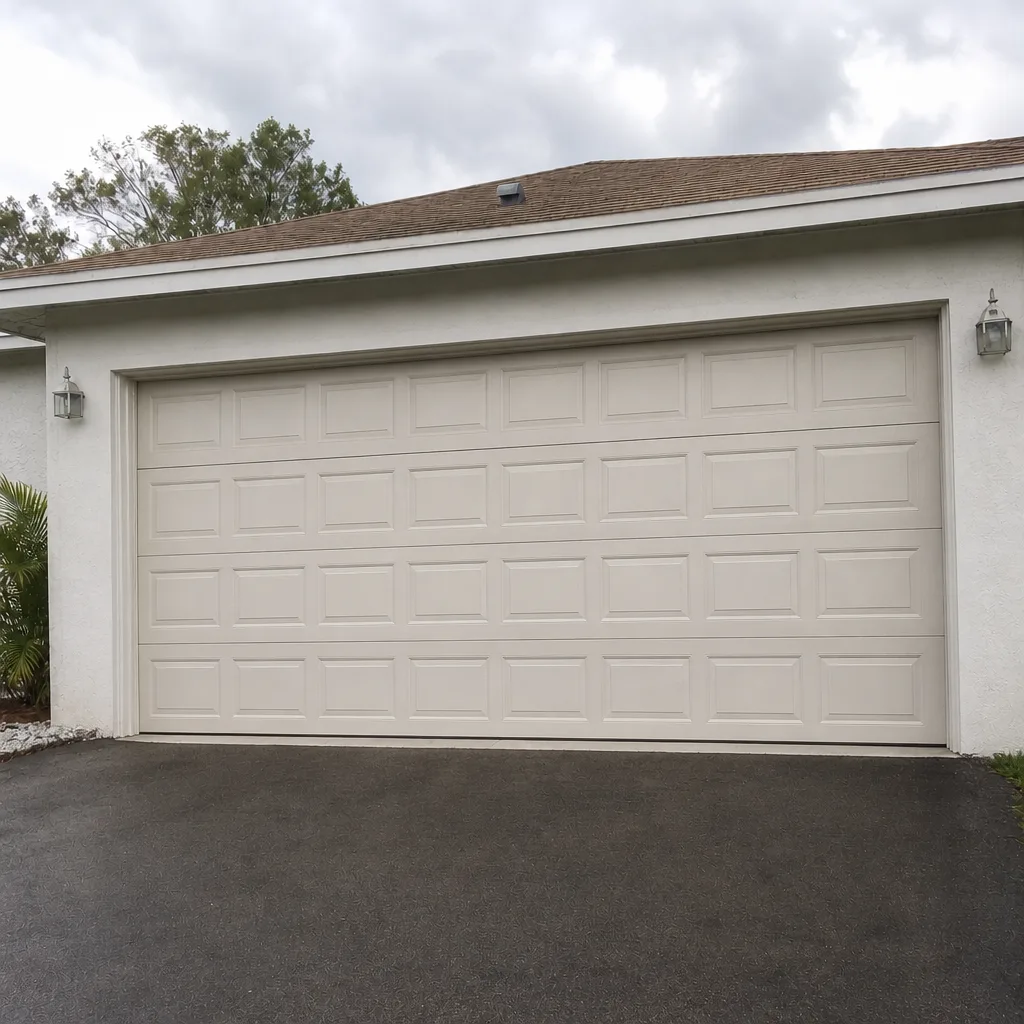 After
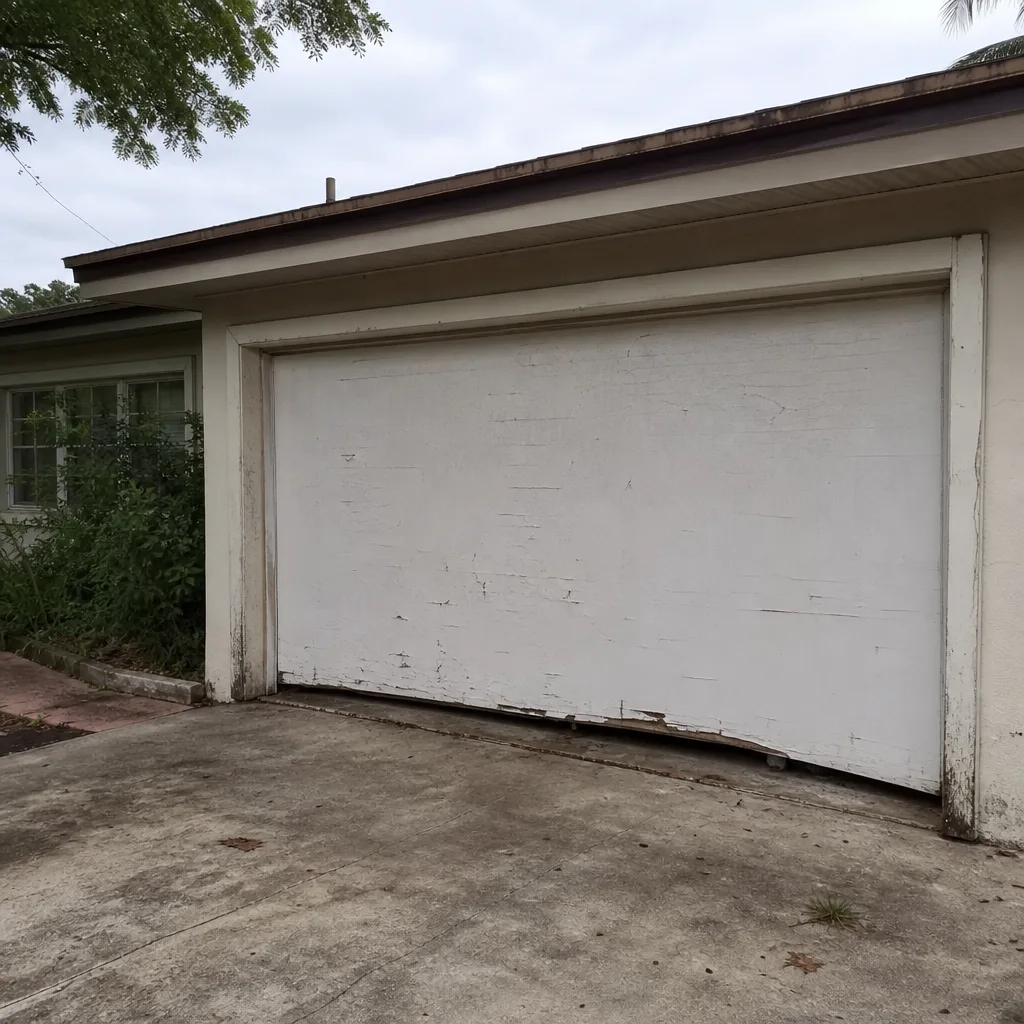 Before
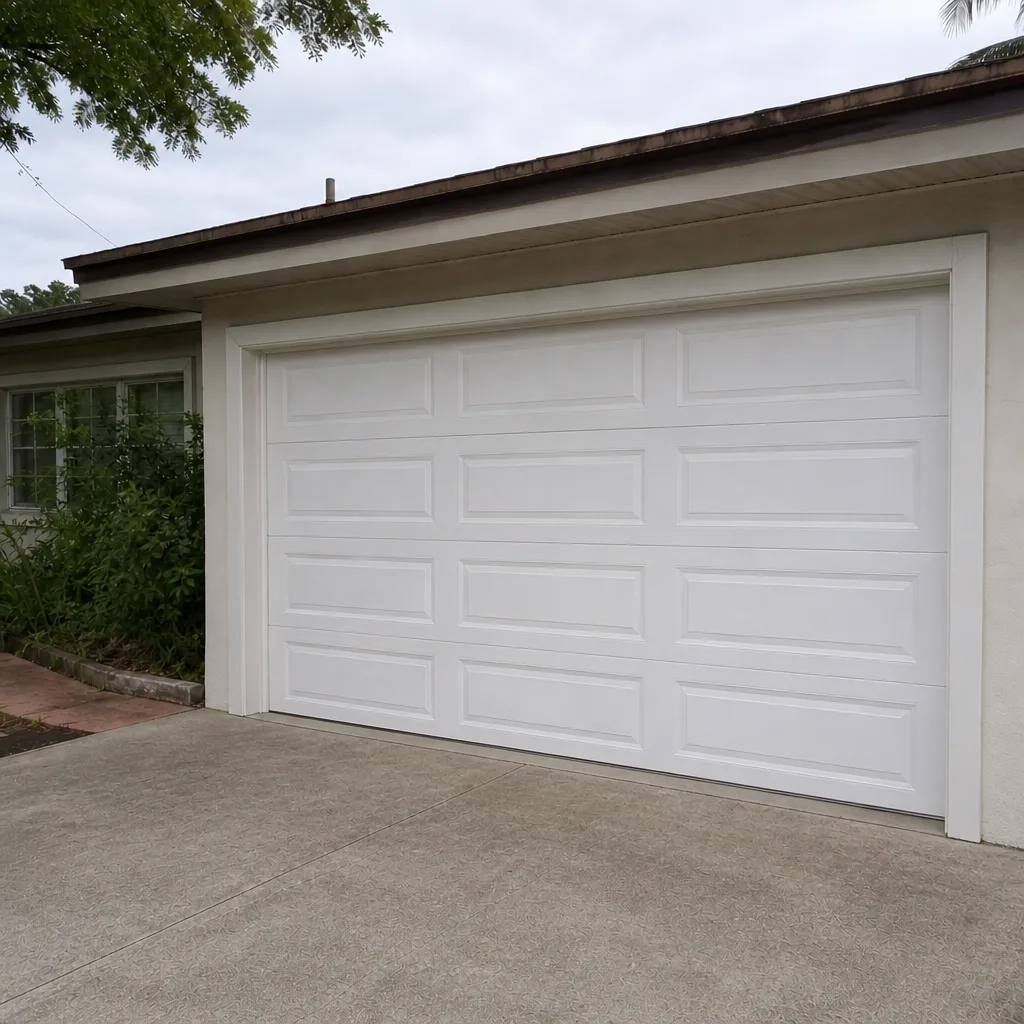 After
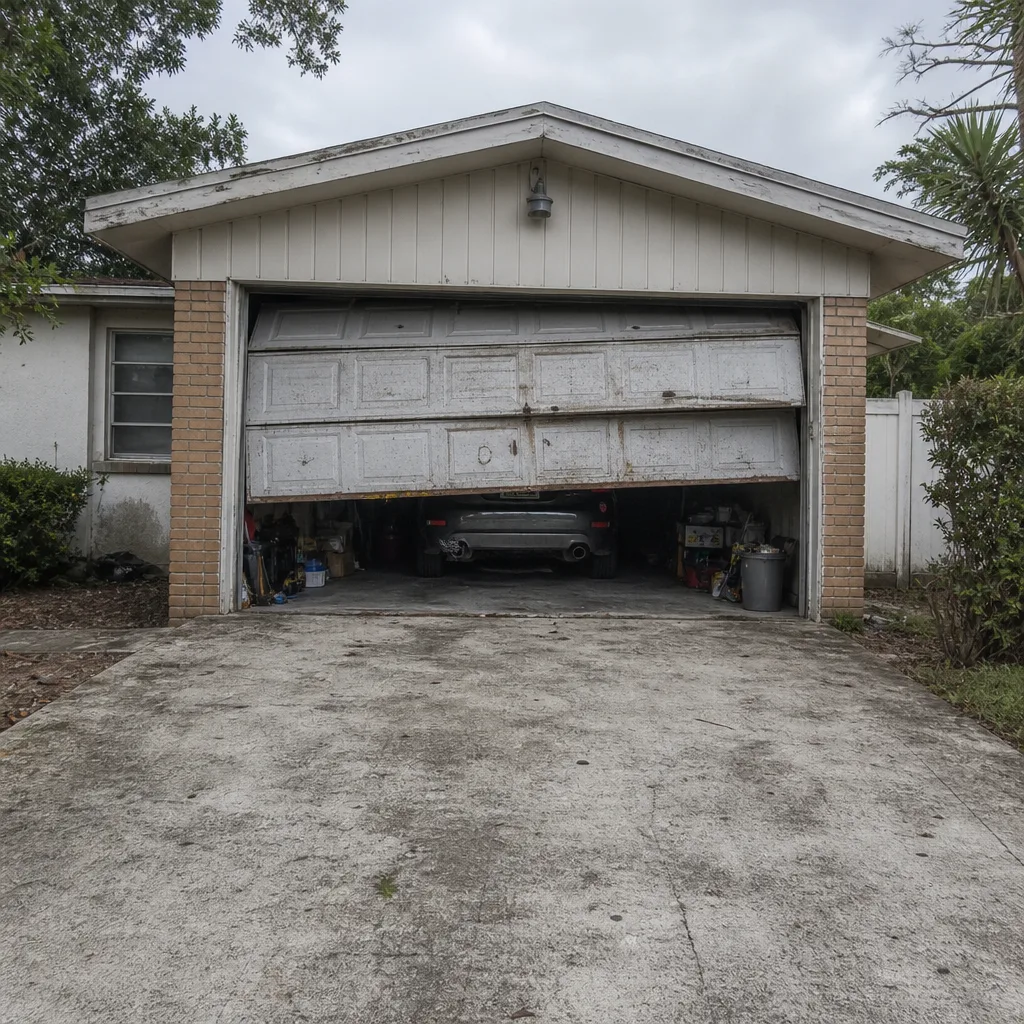 Before
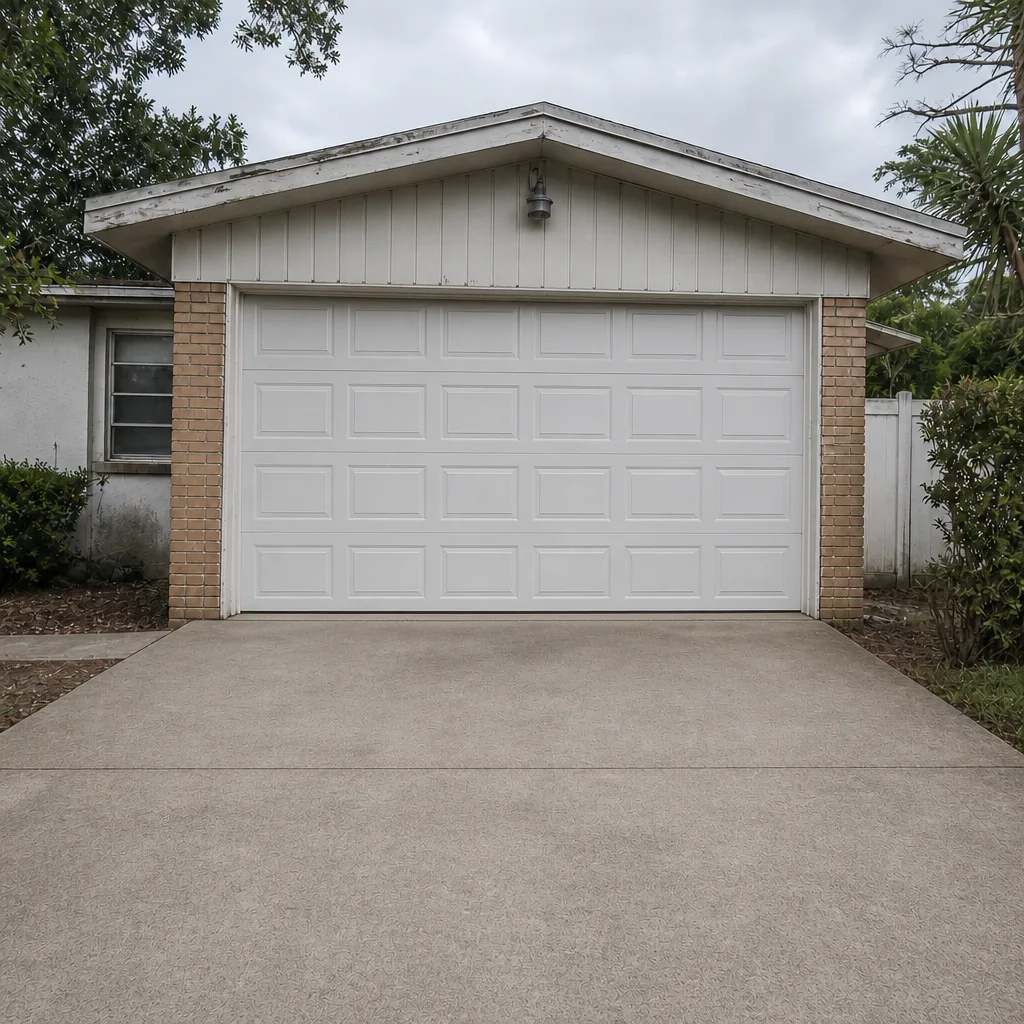 After