Last updated November 21, 2026
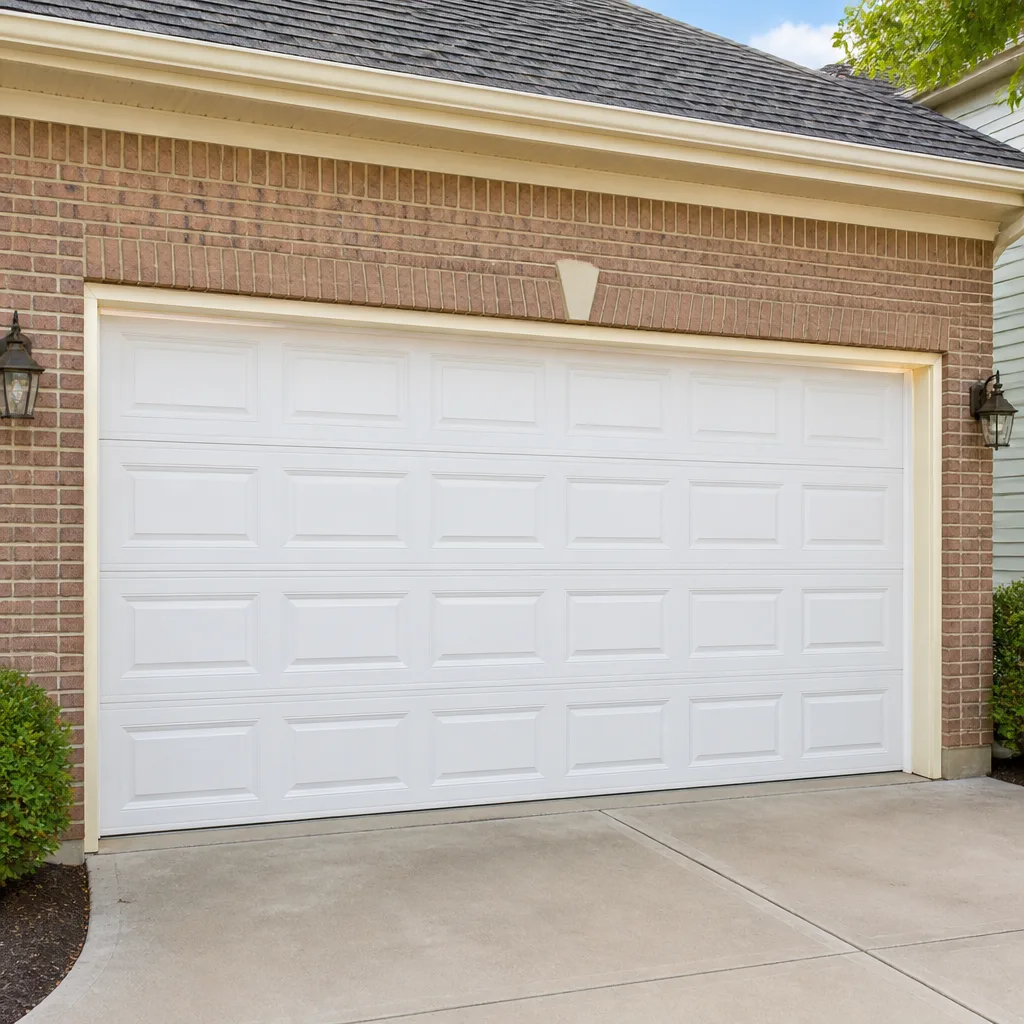 Raised-panel steel
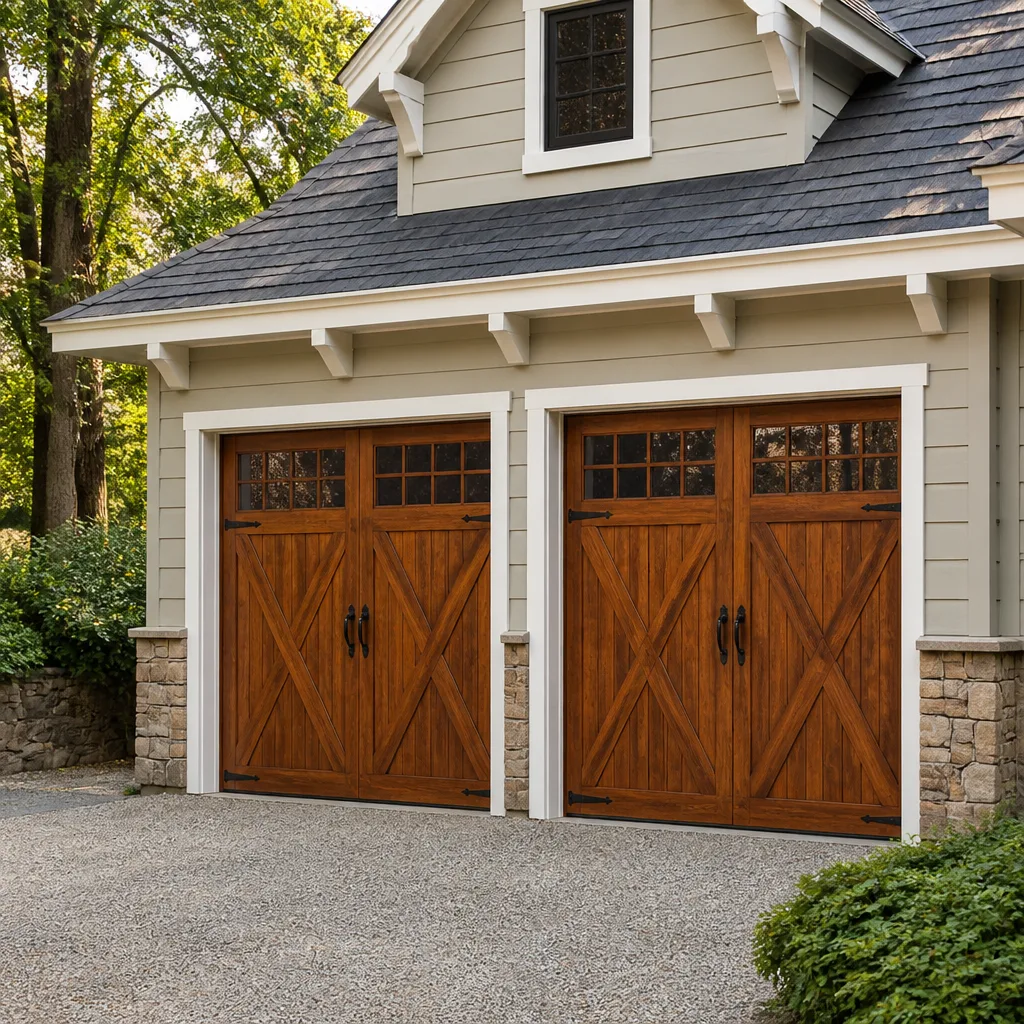 Carriage house
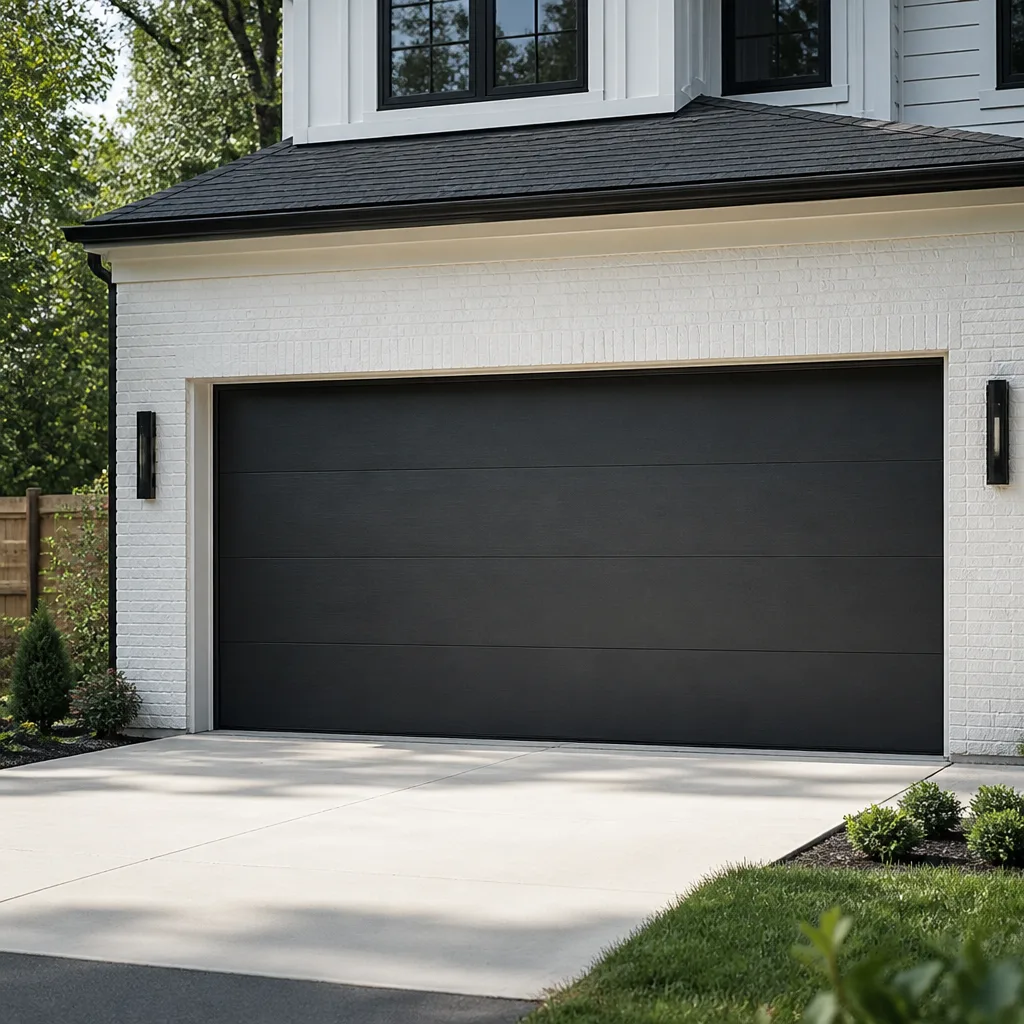 Modern flush
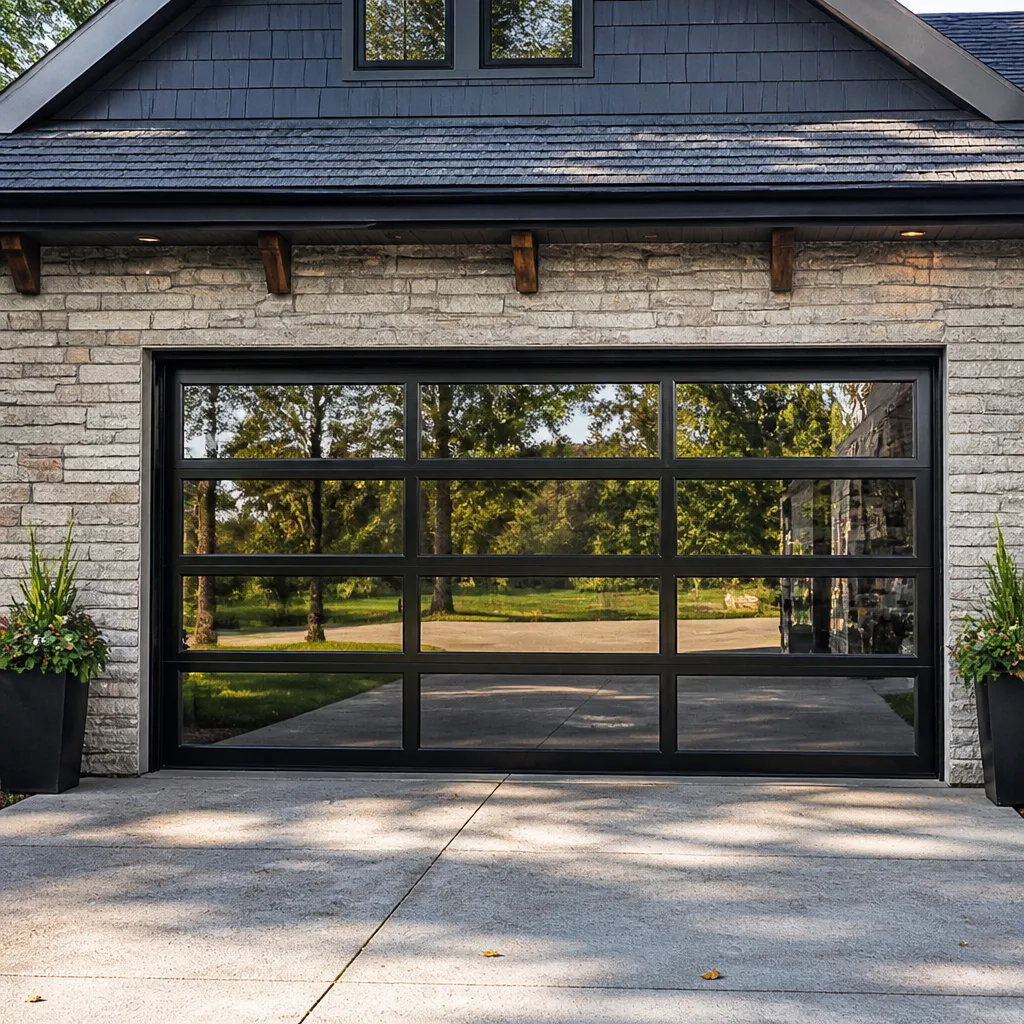 Full-view glass
 LiftMaster openers
 Chamberlain openers
Full 25-point door and opener safety check with every visit - springs, cables, rollers, tracks, and your LiftMaster or Chamberlain opener included
You get a price before we start. It does not change when the pro arrives.
Get your free estimateGarage Door Permits, Codes & Inspections in Hollywood, FL: What You Need to Know
Most homeowners treat a garage door replacement like swapping out a ceiling fan: buy the unit, install it, done. In Hollywood, that assumption can come back to bite you years later. Garage doors here fall under overlapping rules – the Florida Building Code, Broward County’s amendments, and the City of Hollywood’s own permit process. A door that goes in without the right paperwork can complicate a sale, stall an insurance claim, and leave you answering questions you never expected. This guide walks through when a permit is actually required in Hollywood, how the inspection works, what inspectors look for, and how to fix a door that was installed without one.
Quick Answer
In Hollywood, FL, replacing or substantially altering a garage door generally requires a building permit, and the finished door must meet Florida Building Code wind-load requirements for this part of Broward County. Inspectors verify the door’s product approval, its anchorage and hardware, and its labeling before signing off. Minor repairs – a spring, an opener, a roller – usually don’t trigger a permit, but a full door swap usually does.
Styles & brands we work with
- Raised-panel steel
- Carriage house
- Modern flush
- Full-view glass
- LiftMaster openers
- Chamberlain openers
Table of Contents
- Why garage door permits matter in Hollywood
- When a permit is required and when it isn’t
- Florida’s wind zones and what they mean for Hollywood doors
- What inspectors actually check
- How the permit and inspection process works, step by step
- Retroactive permits: fixing a door installed without one
- What paperwork to keep after the job
- Common mistakes to avoid
Why garage door permits matter in Hollywood, FL
Hollywood sits at the intersection of three rule sets that all touch your garage door: the Florida Building Code, Broward County’s local amendments, and the City of Hollywood’s permitting office. Miss any one of them and the door can look fine but fail to meet code on paper – which matters more than most homeowners realize.
The reason is wind. This part of South Florida gets tested by tropical systems, and the garage door is the largest opening in most homes. When a door fails under pressure, the pressure has to go somewhere, and that somewhere is usually the roof and walls. Doors in this region are required to carry a wind-load rating appropriate to their location and to be installed with hardware that matches the manufacturer’s approved installation instructions. The building department’s job is to confirm those two things actually happened.
For homeowners, the paper trail has real consequences:
- Insurance claims. If a hurricane damages your home and the carrier finds the garage door was installed without a permit or without a compliant product approval, that portion of the claim can be disputed. We can’t guarantee how any specific carrier will respond – but we can tell you that the missing paperwork gives them a reason to ask questions.
- Resale. Broward County title searches routinely surface open permits, and an unpermitted structural change is one of the more common closing delays we hear about from Hollywood homeowners. Buyers’ inspectors look for it, and lenders care.
- Future work. A future permitted job on the same opening can require the earlier work to be brought into compliance first, which is always more expensive than doing it right the first time.
None of this is meant to sound alarmist. It’s just that a garage door permit in Hollywood is one of those quiet pieces of paper that matters most on the day you need it.
When a permit is required and when it isn’t
The basic rule is simple: replacement of a garage door assembly, or a change that affects the door’s wind-load performance, needs a permit. Repair of a component that doesn’t touch the structural envelope usually doesn’t. Here’s how that plays out in practice.
Typically requires a permit
- Full replacement of the garage door (any material – steel, aluminum, wood, composite)
- Replacement of the door plus tracks and hardware when the new door differs from the old in weight, size or wind rating
- Changing door type (sectional to roll-up, or solid to glazed) in a way that changes the wind-load profile
- Enlarging, narrowing or relocating the opening
- Reinforcing the opening for a higher wind rating than the original door carried
Typically does not require a permit
- Replacing torsion or extension springs
- Replacing rollers, hinges, cables or bearings
- Repairing or replacing the garage door opener (including Wi-Fi and smart-home units from LiftMaster, Chamberlain, Genie or Craftsman)
- Realigning a door that has come off its track
- Replacing weatherstripping and bottom seals
One important distinction: Hollywood and unincorporated Broward County don’t always treat borderline jobs the same way. A job that’s a “repair” on one side of a jurisdiction line can sometimes read as a “replacement” on the other, particularly if new panels or a new track assembly are involved. We always tell homeowners to call the City of Hollywood’s building department with the specific scope before assuming either way. That one five-minute call can save weeks of cleanup later.
For straightforward repair work that doesn’t touch the permit question – a broken spring, a dead opener, a door hanging off its track – our garage door repair page covers the common failure modes. If the door is being replaced outright, though, plan on treating it as a permitted project.
Florida’s wind zones and what they mean for Hollywood doors
Florida’s building code splits the state into wind zones, and South Florida carries the most demanding one: the High Velocity Hurricane Zone. Exactly which properties in Hollywood fall inside the HVHZ boundary versus the adjacent wind-borne debris region depends on the address, and the building department is the authority that makes the call for your specific property. What matters for you is the practical effect: doors sold for installation here need a Florida product approval that matches the wind zone they’ll be installed in.
That product approval number is the single most important piece of paperwork attached to a garage door. It’s what the inspector uses to confirm the door is rated for the location. It’s also what a future buyer’s inspector will look for if the door is ever questioned.
What this means for you when choosing a door:
- Confirm the door is rated for Hollywood. The manufacturer’s product approval should state the wind zone and design pressure rating. Not every door sold nationally is approved for this part of Florida.
- Confirm the hardware matches. The product approval lists specific anchor types, brackets and reinforcement. A door that meets the rating but was bolted in with the wrong hardware doesn’t technically meet the approval.
- Confirm the labeling is intact. Approved doors ship with a manufacturer’s label that ties the door to its product approval. Peel it off during install and the inspector has no way to confirm what’s hanging on the opening.
Brands like Clopay, Amarr and Raynor each publish product approvals for their impact-rated and wind-rated lines, and the approval isn’t transferable between models. It’s per-product, per-application. If a sales rep can’t produce the approval document for the exact model being quoted, that’s a warning sign.
When we connect you with a local pro for a new door, the written estimate should reference the specific product approval number for the model being installed. If it doesn’t, ask for it before signing.
What inspectors actually check
The inspection itself is usually quick – 20 to 30 minutes for a straightforward door replacement – but it’s specific. Inspectors aren’t checking aesthetics. They’re verifying that what’s installed matches what was permitted and what the product approval requires. The items that fail most often are the same ones year after year.
The items that fail most often
- Missing or illegible product approval label. The door has to be identifiable in the field. If the label was removed, painted over or never applied, the inspector can’t verify the door is the approved model.
- Wrong anchor spacing or wrong anchor type. Wood-frame and block-wall openings take different hardware, and the product approval specifies where each anchor goes. A door that’s “close enough” isn’t.
- Missing reinforcement for the approved rating. Many impact-rated doors require a specific reinforcement strut or bracket package that gets skipped when a homeowner installs without consulting the approval document.
- Spring balance not matching the door weight. On a wind-rated door, the balance affects how the door behaves under load and how the operator handles it. Inspectors check that the door operates to the manufacturer’s specification.
- Opener out of spec. An operator with the wrong pull force or wrong rail configuration can interfere with the door’s approved installation.
- Missing perimeter seal or weatherstripping. Less common as a structural fail, more common as a correction item – but it does hold up sign-off.
In our experience, the doors that fail inspection weren’t bad doors. They were good doors installed by someone who hadn’t read the approval document. The fix is straightforward – usually a re-anchor and label replacement – but it means a second inspection and a delay.
What the inspector is not checking
The building inspector is not evaluating whether the door looks nice, whether the opener has Wi-Fi, or whether the color matches the house. Those are your call. The inspection is a code-compliance check, not a quality review. If you want to know how the door is performing mechanically, that’s a separate conversation – the garage door opener repair page covers what to look for in an operator that’s struggling.
How the permit and inspection process works, step by step
Here’s the general flow of a permitted garage door replacement in Hollywood. Timelines and specific requirements vary, and your contractor and the building department will confirm the exact steps for your address.
- Measure and select the door. The door has to be sized to the existing opening (or the opening has to be modified under the permit). The selected model needs a Florida product approval for the wind zone.
- Pull the permit. Either the homeowner or the installing contractor can typically pull it, but most homeowners prefer to have the contractor do it so the paperwork stays with the job. The permit application includes the door spec, the product approval number, and the proposed installation method.
- Install the door to the approved specification. Anchors, spacing, reinforcement and labeling all follow the product approval. The old door is removed and the new one installed under the permit.
- Call for inspection. Once the door is in, the permit holder requests the inspection through the building department’s usual channel. The inspector visits the site, checks the items listed above, and either signs off or issues correction items.
- Close the permit. After sign-off, the permit is closed and the certificate of completion (or final inspection record) is issued. This is the document you keep.
A few practical notes for Hollywood homeowners. Inspection scheduling happens through the city, not the contractor, so the wait between install and inspection depends on the city’s current workload. Bring the door’s product approval and label photos to the ready list before the call – it makes the inspection faster. And keep the closed permit documentation somewhere you can find it again, because the next time you’ll need it may be five years from now at a closing table.
Retroactive permits: fixing a door installed without one
If a door was installed without a permit, the situation is usually fixable – but it takes longer and costs more than doing it right the first time, and the process depends on what was installed and whether it can still be verified.
The general path looks like this:
- Identify the door. Find the manufacturer’s label, the model number and, if possible, the product approval number. If the door has no identifiable label, the inspector may require an engineering evaluation or a replacement to a currently approved model.
- Contact the City of Hollywood building department. Explain the situation. Ask specifically what documentation and what process they require for a retroactive permit on a door that’s already installed.
- Pull the permit as a “as-built” or “after-the-fact” permit. Different departments use different terms. The work is described accurately as already completed.
- Prepare for inspection to be harder. The inspector will look for the same things as a standard inspection, but may also require verification of anchorage that’s now hidden behind interior finishes.
- Complete corrections as needed. Common retroactive corrections include adding missing reinforcement, replacing anchors with the approved type, or re-anchoring to the correct spacing.
When is it worth doing? In our view, before selling is the most important time. A retroactive permit before listing avoids a closing delay that could cost far more than the permit itself. Before a major insurance claim is the second most important time. And if you plan to replace the door in the next few years anyway, retroactive permitting may not be worth the effort – but that’s a judgment call to make with your real estate professional and the building department.
What paperwork to keep after the job
Once a permitted installation is complete, you should have a small bundle of documents. Keep them together, in a place where you can find them – a folder with the home’s other improvement records is the obvious place.
- The closed permit. The final inspection record or certificate from the building department.
- The product approval. A copy of the manufacturer’s approval document for the specific model installed, with the number highlighted.
- The manufacturer’s label. A photo of the label as installed. Even if the label comes off someday, the photo proves the door.
- The contractor’s invoice and warranty. Everything tied to the specific installation, including the model numbers and the hardware list.
- Any engineering documentation. If the door needed an engineering evaluation during permitting or retroactive permitting, keep that too.
The product approval number matters most. It’s the single reference that tells a future inspector, buyer or insurance adjuster that the door was installed according to its approved specification. Every other document in the bundle either supports that number or confirms the inspection happened.
If you’re having the door installed by a contractor, ask for a copy of the product approval and the label photo before the invoice is paid. That’s the point at which it’s easiest to obtain, and the point at which a contractor who skipped the approval can’t hand it over.
Common Mistakes to Avoid
- Assuming a “repair” never needs a permit. Replacing panels and hardware together sometimes crosses into replacement territory. If the scope includes structural anchors or a full track assembly, check with the City of Hollywood building department before proceeding.
- Buying a door that doesn’t carry a Florida product approval for Hollywood. A door rated for wind in another state isn’t the same as a door approved for this wind zone. Confirm the approval before the order is placed.
- Removing the manufacturer’s label. The label ties the door on the opening to the product approval number. Without it, the inspector can’t verify what’s installed, and the door may need an engineering evaluation to recover.
- Mixing hardware from different door systems. Anchors, brackets and reinforcement are specific to the approved installation. “Close enough” hardware is a common inspection correction item.
- Letting the installer skip the permit because “it’s faster.” It is faster – until a sale, a claim or a future permit brings the missing paperwork to the surface.
- Selling a home with an open permit. A Broward County title search will surface an open permit on the property, and that becomes a closing delay. Close the permit before listing, not after.
- Assuming the old door’s approval covers the new door. Product approvals are per-model, per-application. A new door needs its own approval, even if the model family is the same.
See the difference
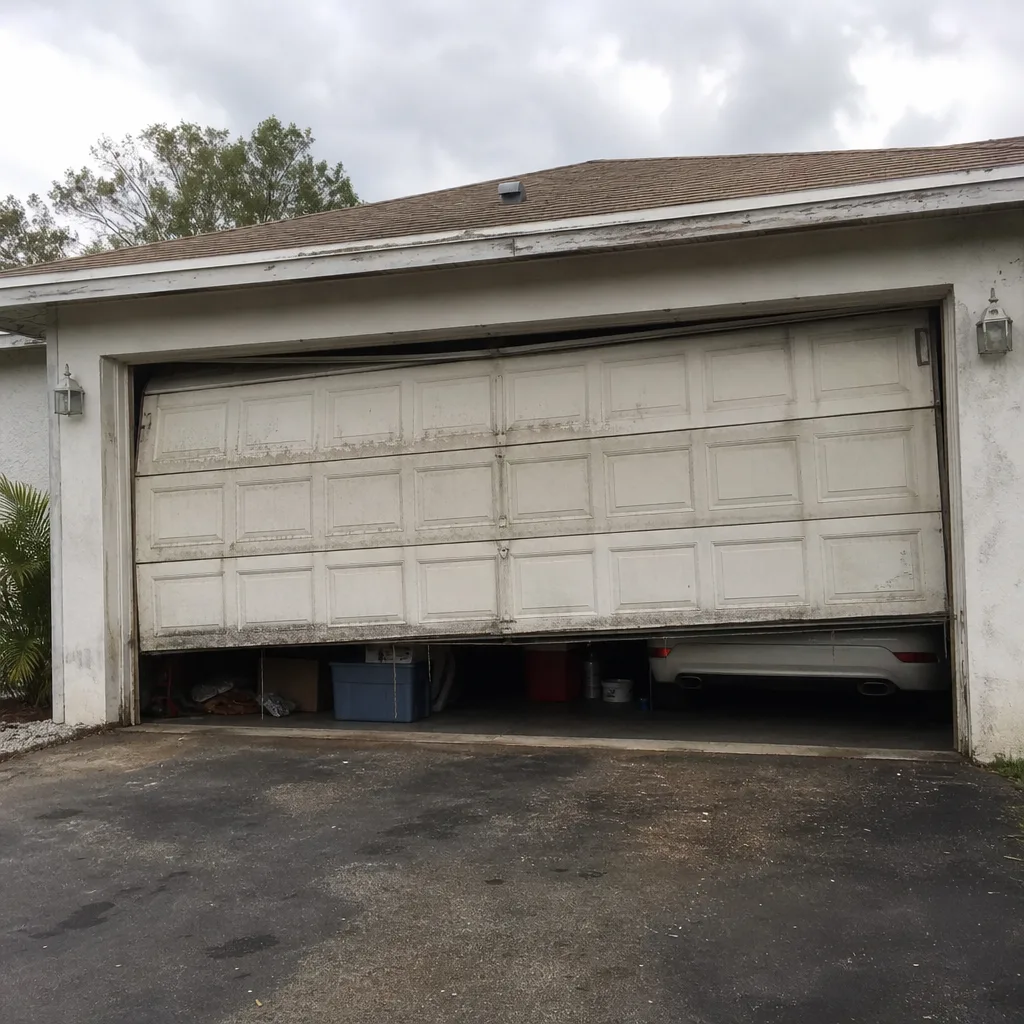 Before
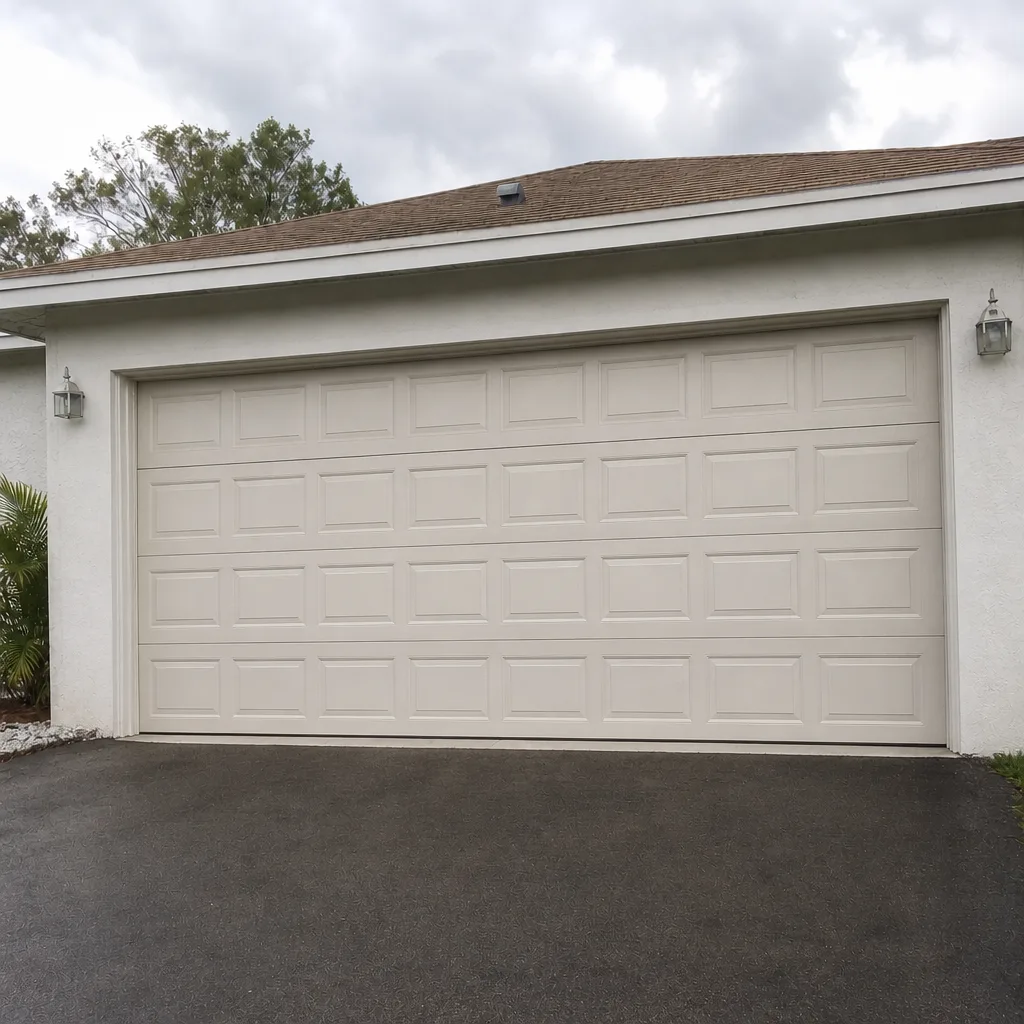 After
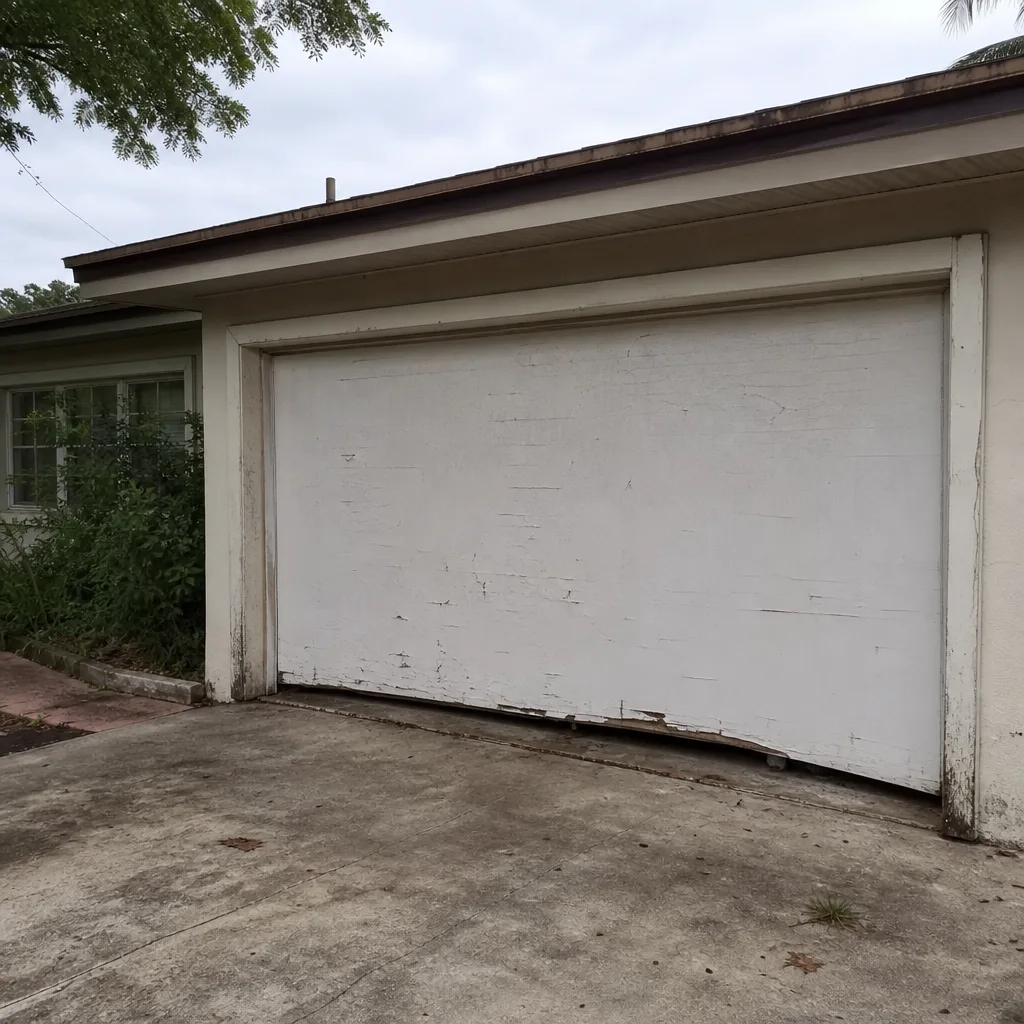 Before
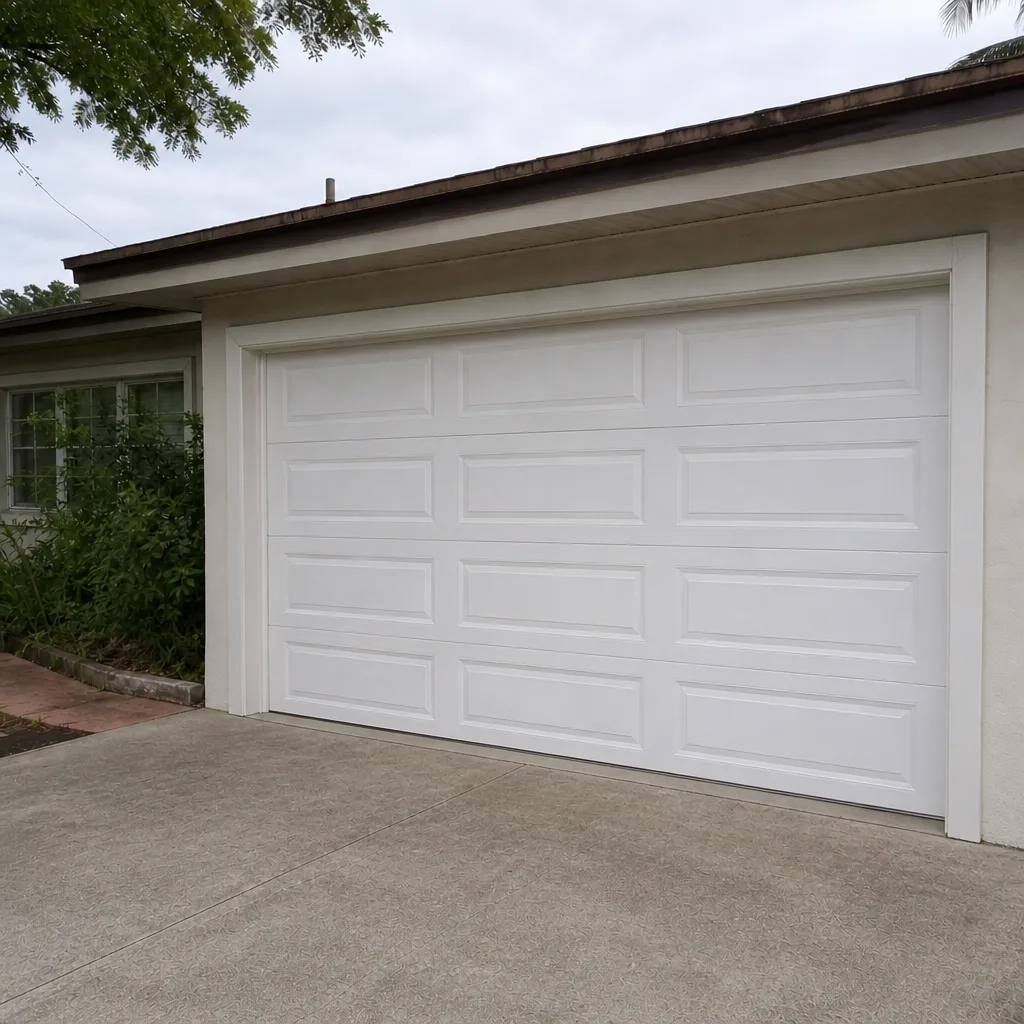 After
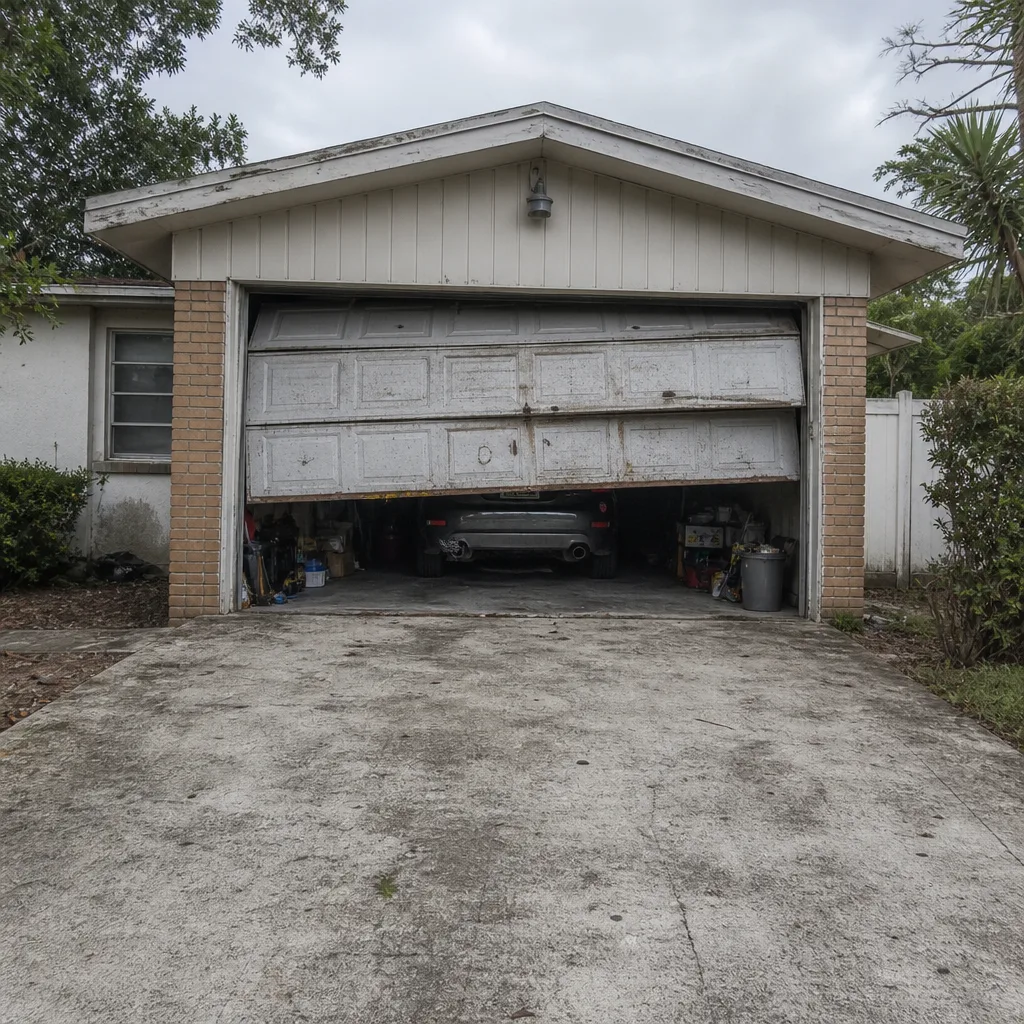 Before
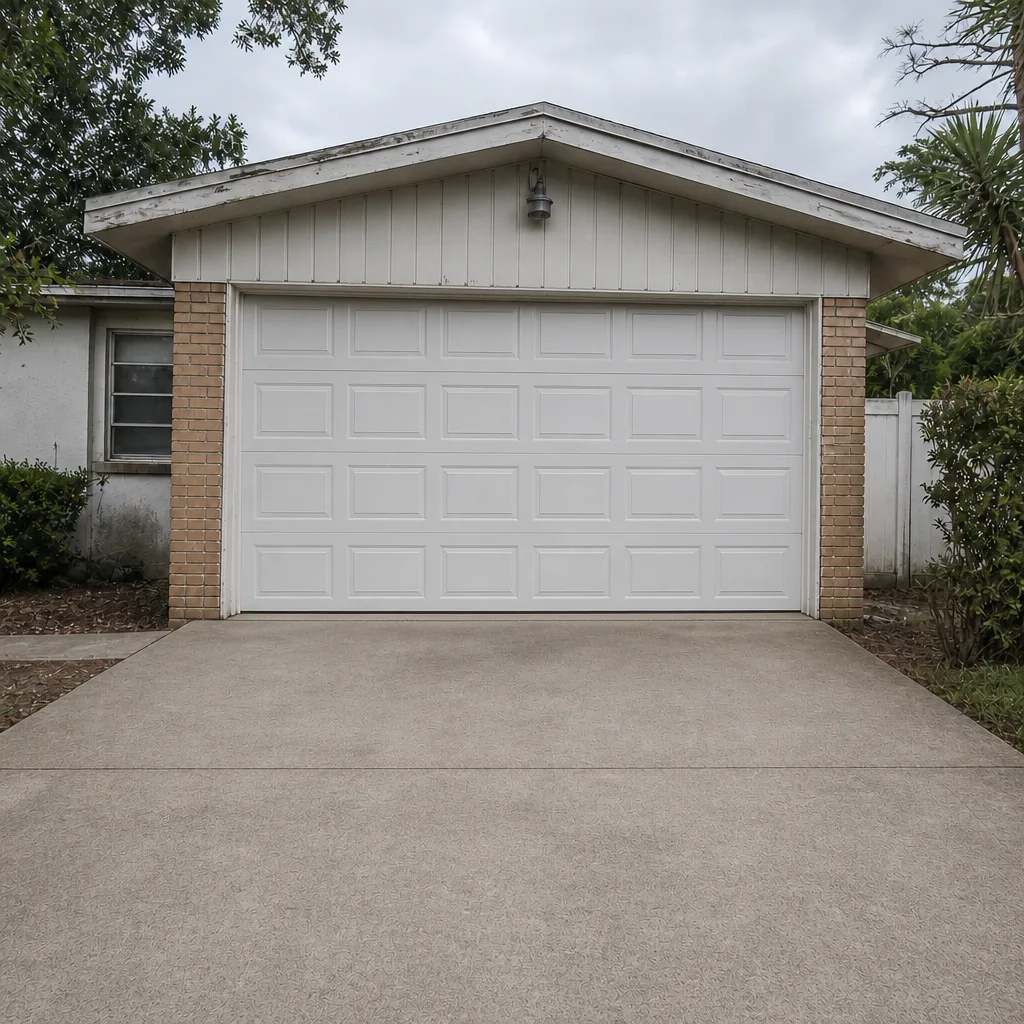 After
When to Call a Professional
The permit question becomes a professional call in a few specific scenarios. If your existing door has no visible product approval label and you’re planning to sell, a professional can help identify the model and walk through the retroactive permitting options. If you’re replacing a door and want the install to match its product approval on the first inspection, having a pro who reads the approval document before the install saves the second trip. If your door was installed without a permit and you need an inspection guided by someone who has done this before, that’s a job for a pro. And if the door is failing – broken spring, off track, opener dead – the underlying repair is time-sensitive, and doing it without disturbing the door’s approved configuration matters. Hollywood Garage Door Repair Pros offers free estimates in Hollywood – call (877) 792-6497. Our technicians have up to 12 years of experience, and we work on the brand already in your garage, including LiftMaster, Chamberlain, Craftsmans and Raynor – from opener to overhead door.
Frequently Asked Questions
Yes, in most cases. Replacing a garage door assembly in Hollywood generally requires a building permit because the door is part of the home’s wind-load envelope. Minor repairs – springs, openers, rollers, tracks adjustments – usually don’t. Call the City of Hollywood building department with the exact scope to confirm for your address, and call (877) 792-6497 if you’d like a free estimate on the installation side.
Often yes, but most homeowners prefer to have the installing contractor pull it. When the contractor pulls the permit, the paperwork stays with the job and the installation method is documented alongside the door spec. If you pull it as the homeowner, you take on the responsibility for calling the inspection and closing the permit, which can become a snag at resale if it’s forgotten. Call (877) 792-6497 to talk through the options for your project.
The High Velocity Hurricane Zone is the most demanding wind zone in the Florida Building Code, and it covers parts of South Florida including some portions of Broward County. Whether your specific Hollywood property falls inside the HVHZ boundary or the adjacent wind-borne debris region is a determination the building department makes for your address. Your garage door’s product approval has to match whichever zone applies. Call (877) 792-6497 and we’ll help you sort out which approval to look for before ordering a door.
The inspector verifies the door’s product approval, its anchorage and hardware against the approved installation method, and its labeling on the door. Common correction items include wrong anchor type or spacing, missing reinforcement, and a missing or illegible product approval label. The inspection is a code-compliance check, not a quality review. Call (877) 792-6497 if you want the install done right the first time.
Usually yes, but it depends on the door and the paperwork that’s available. The process typically requires identifying the model, pulling an after-the-fact permit, and passing an inspection – which may be stricter than the initial inspection because the anchorage is now hidden. If the door has no identifiable label, the department may require an engineering evaluation. Before selling is the best time to do this. Call (877) 792-6497 for a free estimate on retroactive corrections.
It can. An unpermitted door that wasn’t inspected for wind-load compliance gives an insurance carrier a reason to question that portion of a storm-damage claim, and an open or missing permit can show up in a Broward County title search and stall a closing. We can’t predict how a specific carrier or buyer will react, but the paperwork is what protects you. Call (877) 792-6497 and we’ll help you get the documentation in order.
The Bottom Line
A garage door in Hollywood is not just an appliance – it’s part of the home’s wind envelope, and the paperwork around it is part of the value of your home. Replacing the door usually requires a permit. The door has to be approved for this wind zone. The label and the product approval number matter long after the install. Repairs generally don’t require a permit, but a full replacement put in without one will eventually come up at a claim or a closing. If you’re planning a replacement, get the product approval in hand before you order, pull the permit, and keep the documents together. That’s the whole game.
If you’d like a free estimate on the installation, repair or permitting side of the job, call Hollywood Garage Door Repair Pros at (877) 792-6497. We’ll walk through the door options, the approval documents and the city process with you, and give you a written estimate before any work starts. Our Hollywood Garage Door Repair Pros team handles the diagnosis, the repair and the full installation, and our technicians have up to 12 years of experience across the major brands – LiftMaster, Chamberlain, Genie, Clopay, Amarr, Wayne Dalton, Craftsman and Raynor. Eight brands. One call. When your door won’t move, we will. For a full replacement, see our garage door installation page for what’s involved.
Written by the team at Hollywood Garage Door Repair Pros.